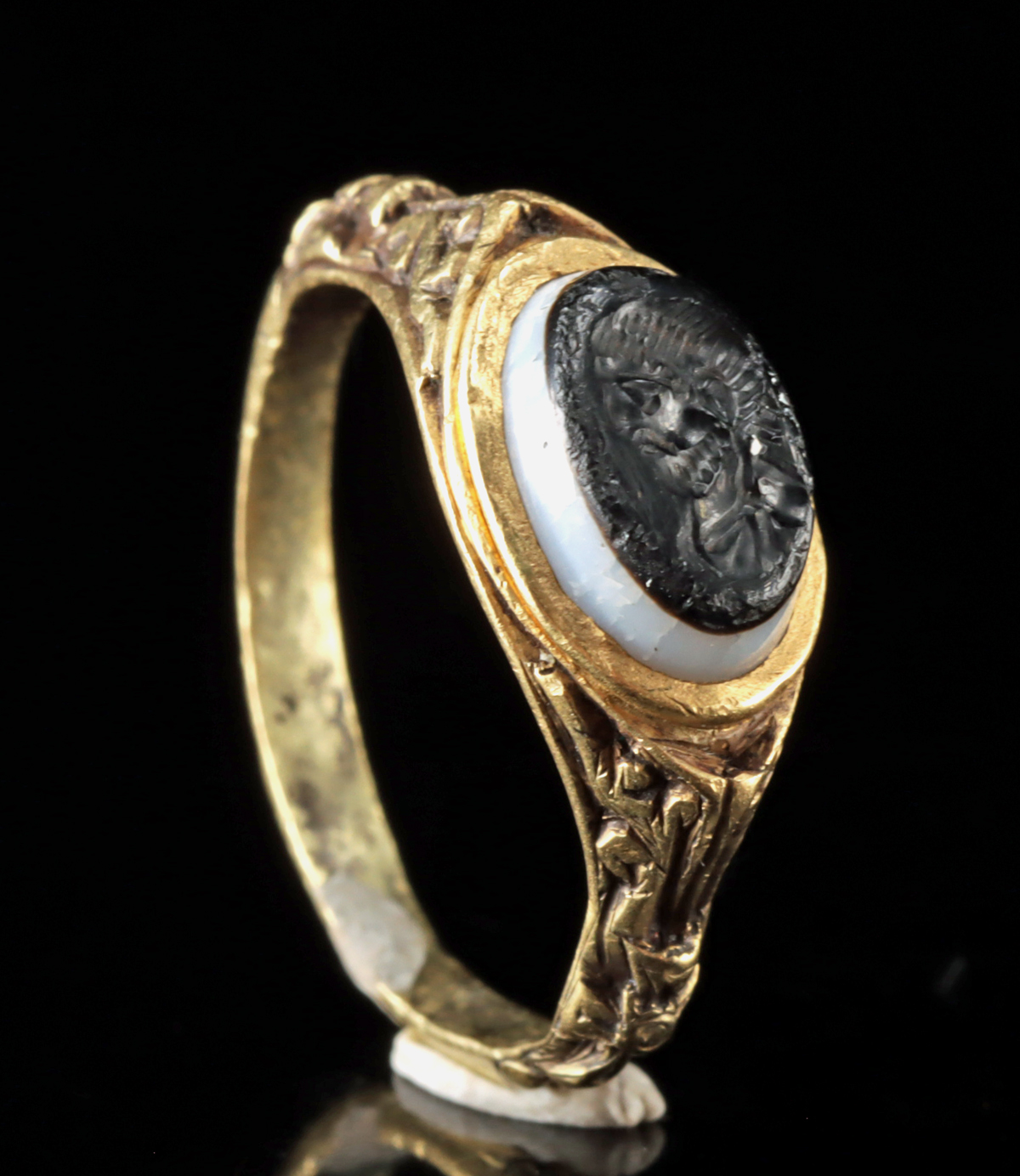
Lot 152, Auction 4/20/2026: Roman Banded Agate Intaglio in Neoclassical Gold Ring
$1,690.00
In stock
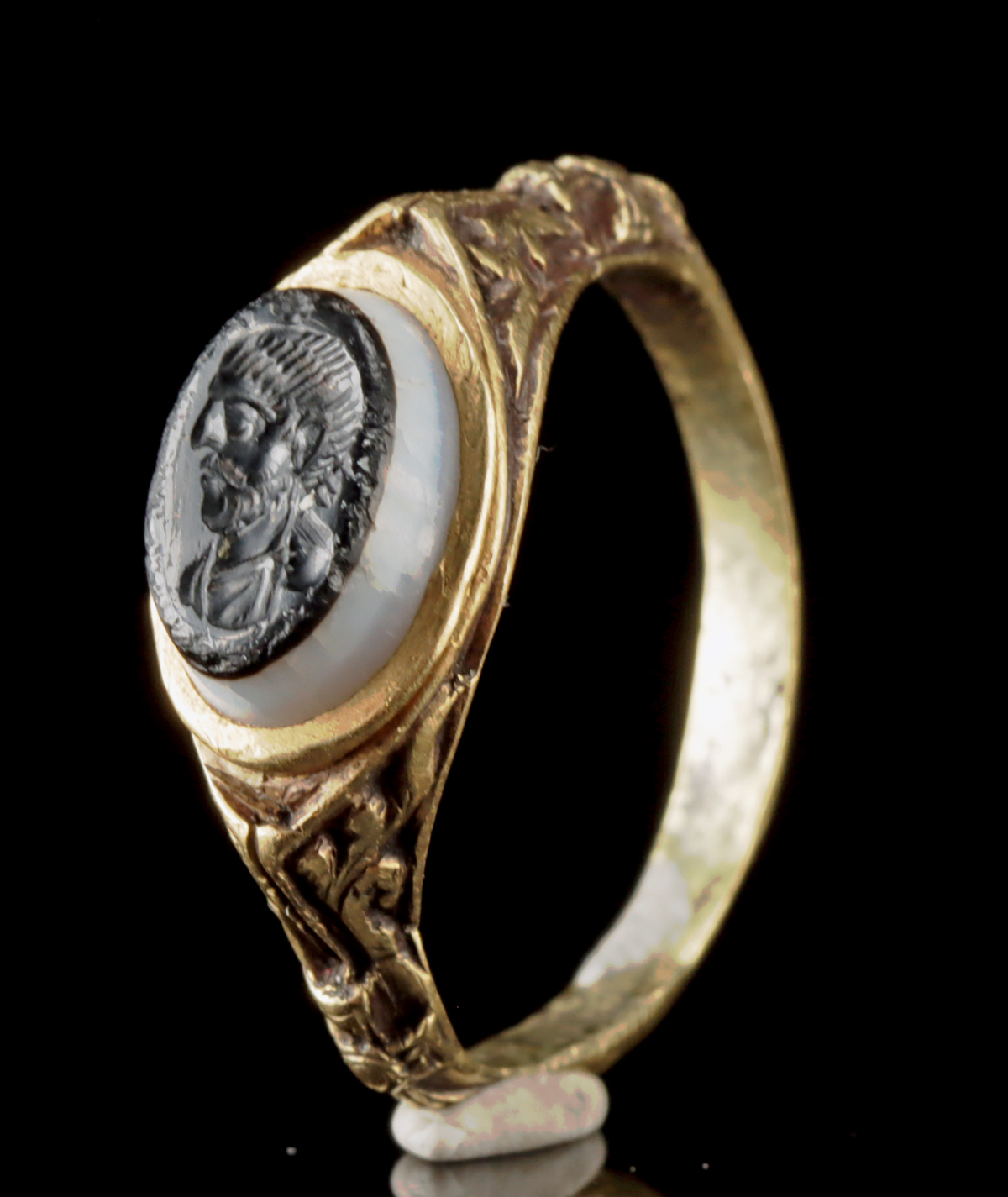
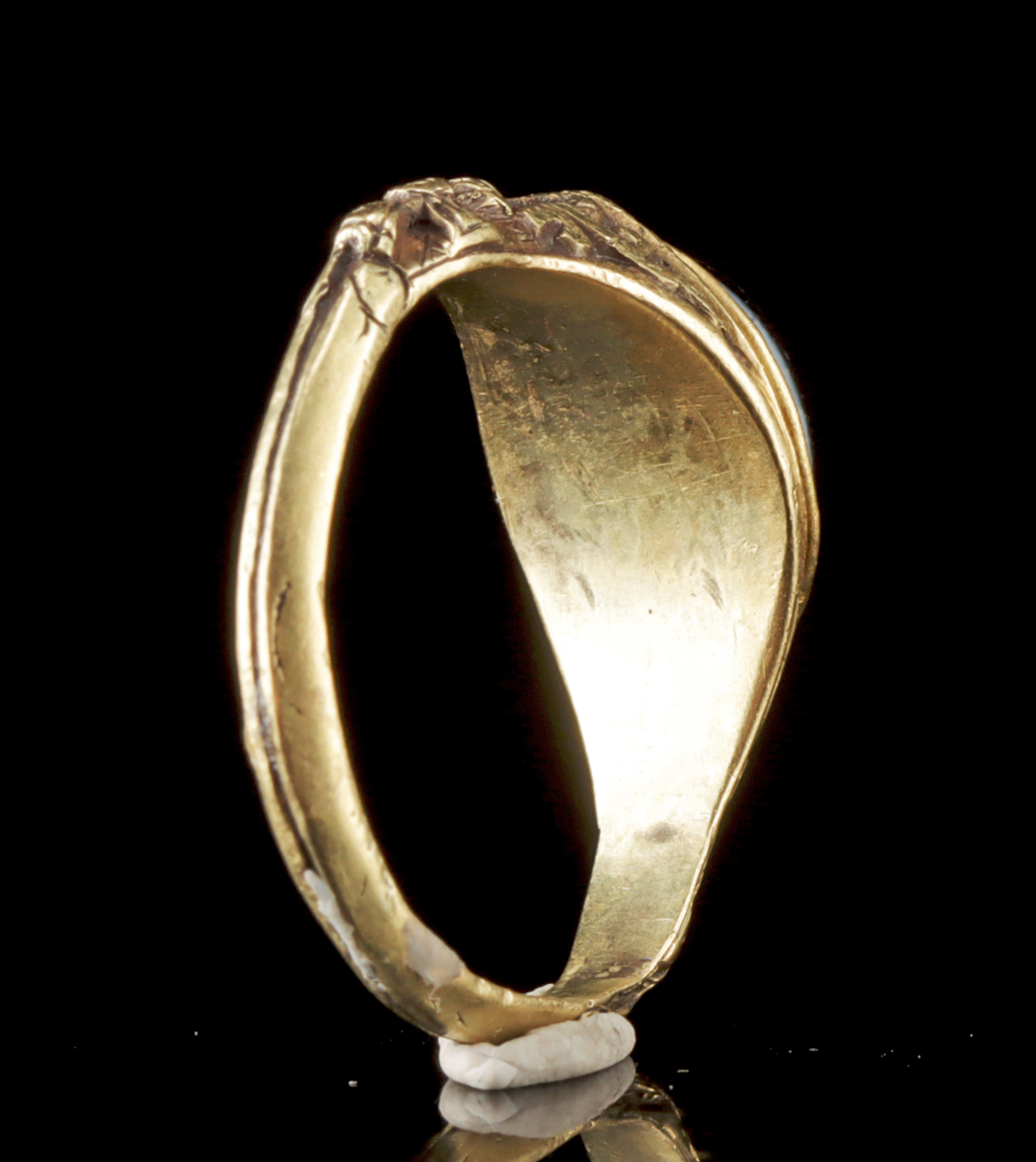
Roman, Imperial period, ca. 1st to 3rd century CE; Europe, Neoclassical period, ca. 19th century CE. A finely carved Roman agate intaglio, its dark surface animated by a sober portrait of a bearded man in a toga, later reborn within a refined 19th century European gold setting. The result is an object that carries two histories at once: Roman authority rendered in stone, and Neoclassical reverence shaped in gold. The intaglio is ovoid in form and engraved with a left-facing bust of a mature male figure, his beard carefully articulated and his toga falling in controlled folds across the shoulder. The carving favors restraint over drama, relying on profile, beard, and drapery to signal status and identity rather than overt attributes. Such portraits often represented philosophers, statesmen, or idealized Roman citizens, evoking gravitas, learning, and civic virtue. Size of intaglio: 0.4″ L x 0.3″ W (1 cm x 0.8 cm); of ring: 1.1″ L x 1″ W (2.8 cm x 2.5 cm); weight: 6.7 grams; US ring size: 8.25
The agate, banded and polished to a soft sheen, provides tonal contrast that enhances the depth of the engraved lines.
In antiquity, intaglios like this served as personal seals as well as markers of identity, pressed into wax to authorize documents and worn as signs of education and rank. Centuries later, during the 19th century revival of Classical taste, ancient gems were avidly collected and remounted, prized as direct physical links to the ancient world. The present example is set within a European gold ring of Neoclassical design, the shoulders enriched with stylized classical ornament that frames the gem without competing with it.
The gold mount shows gentle wear consistent with age, its warm tone complementing the cool darkness of the agate. Together, gem and setting form a dialogue across time, uniting Roman portraiture with the 19th century fascination for antiquity, and offering a wearable artifact that has moved seamlessly from empire to salon, from seal to symbol.
Condition: Roman intaglio mounted in a Neoclassical ring to be wearable. Some slight bending to ring body, but otherwise intact and excellent with good detail to intaglio.
Provenance: private London, United Kingdom collection; ex-private German collection; ex-private C. E. Schultze collection, Munich, Germany, late 1980s
All items legal to buy/sell under U.S. Statute covering cultural patrimony Code 2600, CHAPTER 14, and are guaranteed to be as described or your money back.
A Certificate of Authenticity will accompany all purchases.
We ship worldwide and handle all shipping in-house for your convenience.
Related Products
-


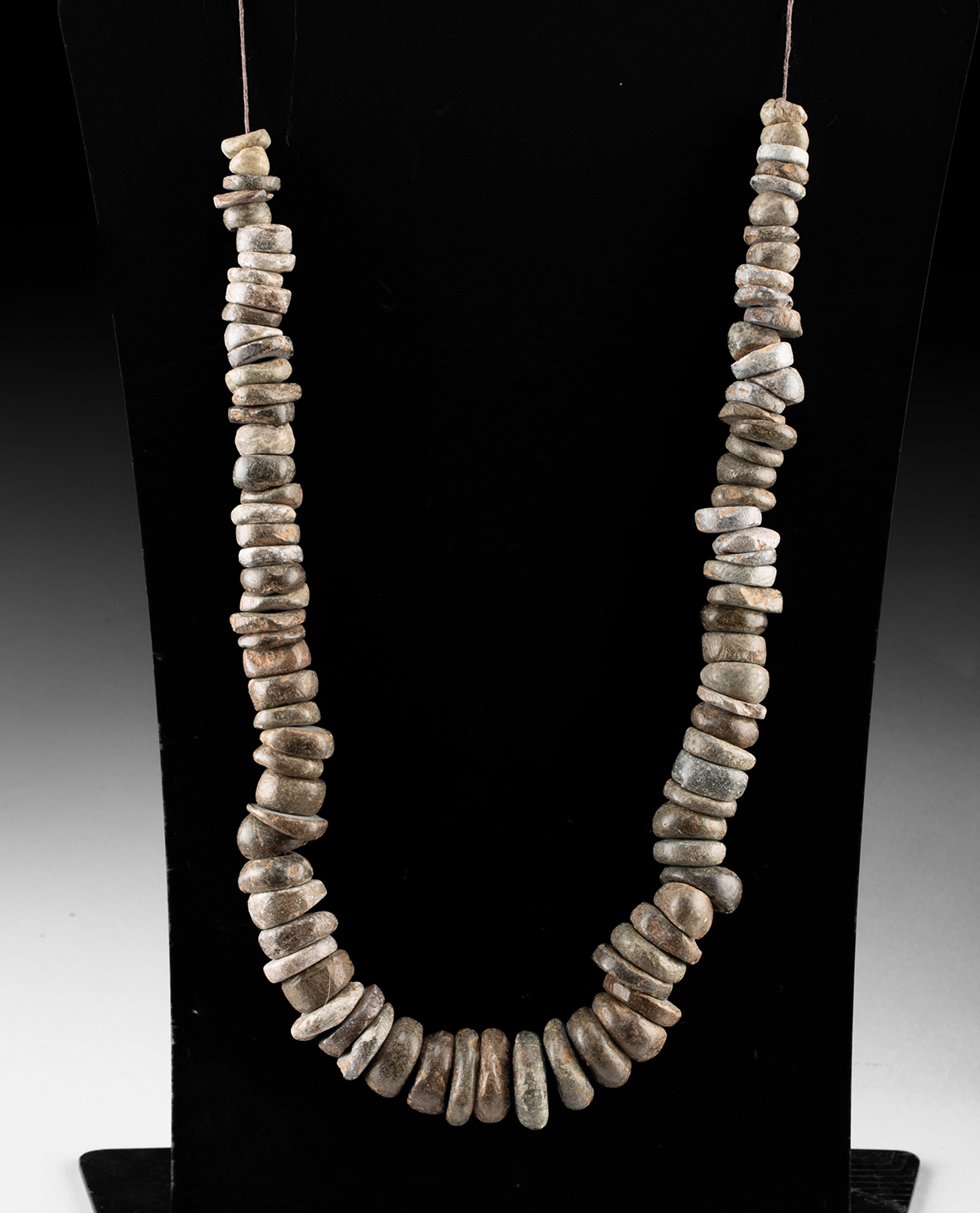
Lot 57, Auction 4/20/2026: Pre-Columbian Stone Discoidal Bead Strand
Add to cart -


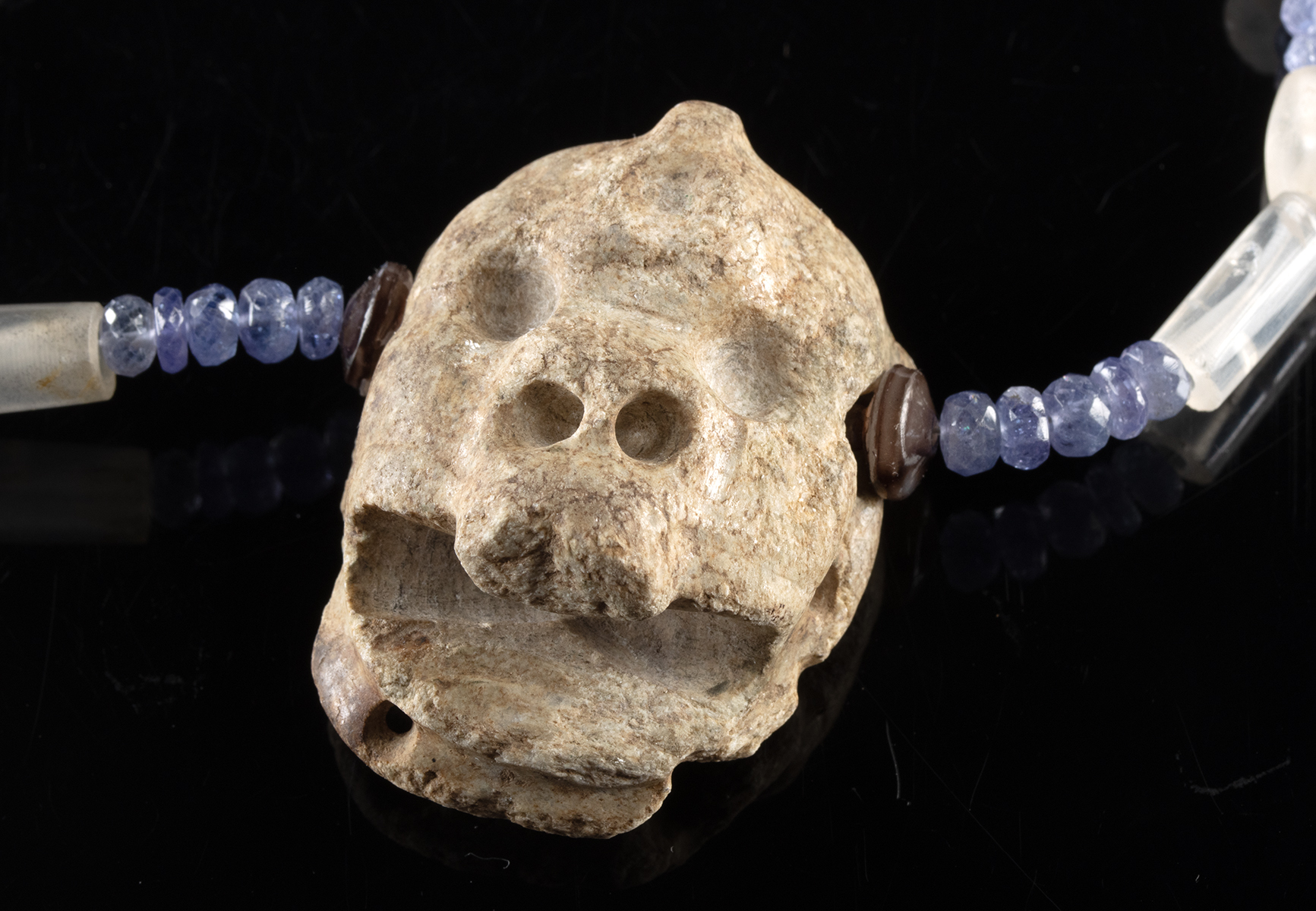
Lot 55, Auction 4/20/2026: Pre-Columbian Stone Face Pendant & Quartz Bead Necklace
Add to cart -


Lot 50a, Auction 4/20/2026: Pre-Columbian Bead Necklace, Spondylus Shells & Nacre
Add to cart -


Lot 41, Auction 4/20/2026: Mezcala Maskette & Costa Rican Jade Frog Pendants
Add to cart -


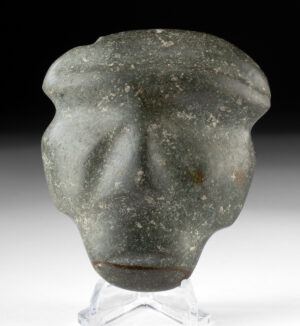
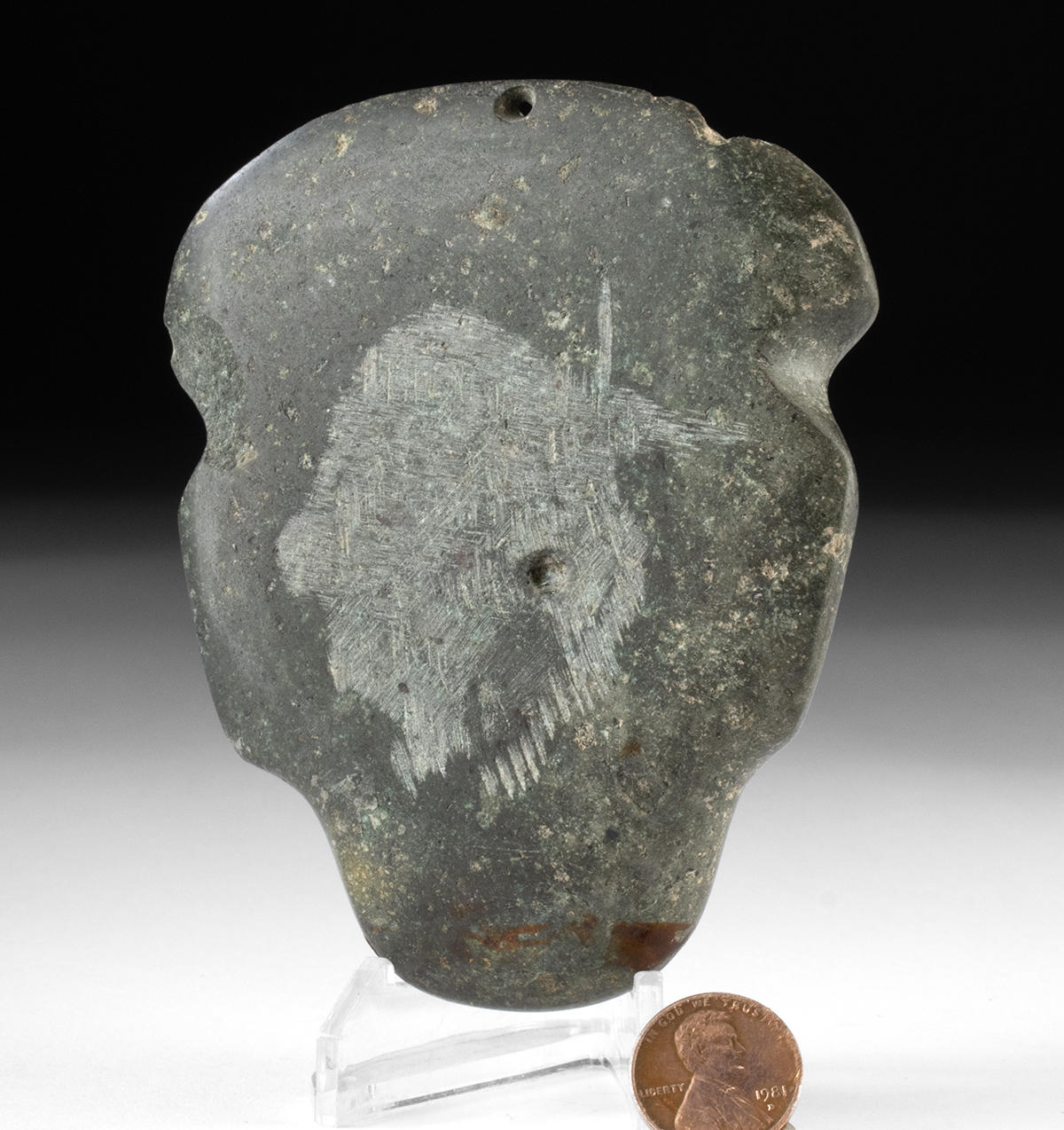
Lot 40, Auction 4/20/2026: Large Mezcala Jade Maskette Pendant
Add to cart -


Lot 35, Auction 4/20/2026: Zuni Silver & Nacre Bolo by Ralph Lillie Kallestewa
Add to cart -


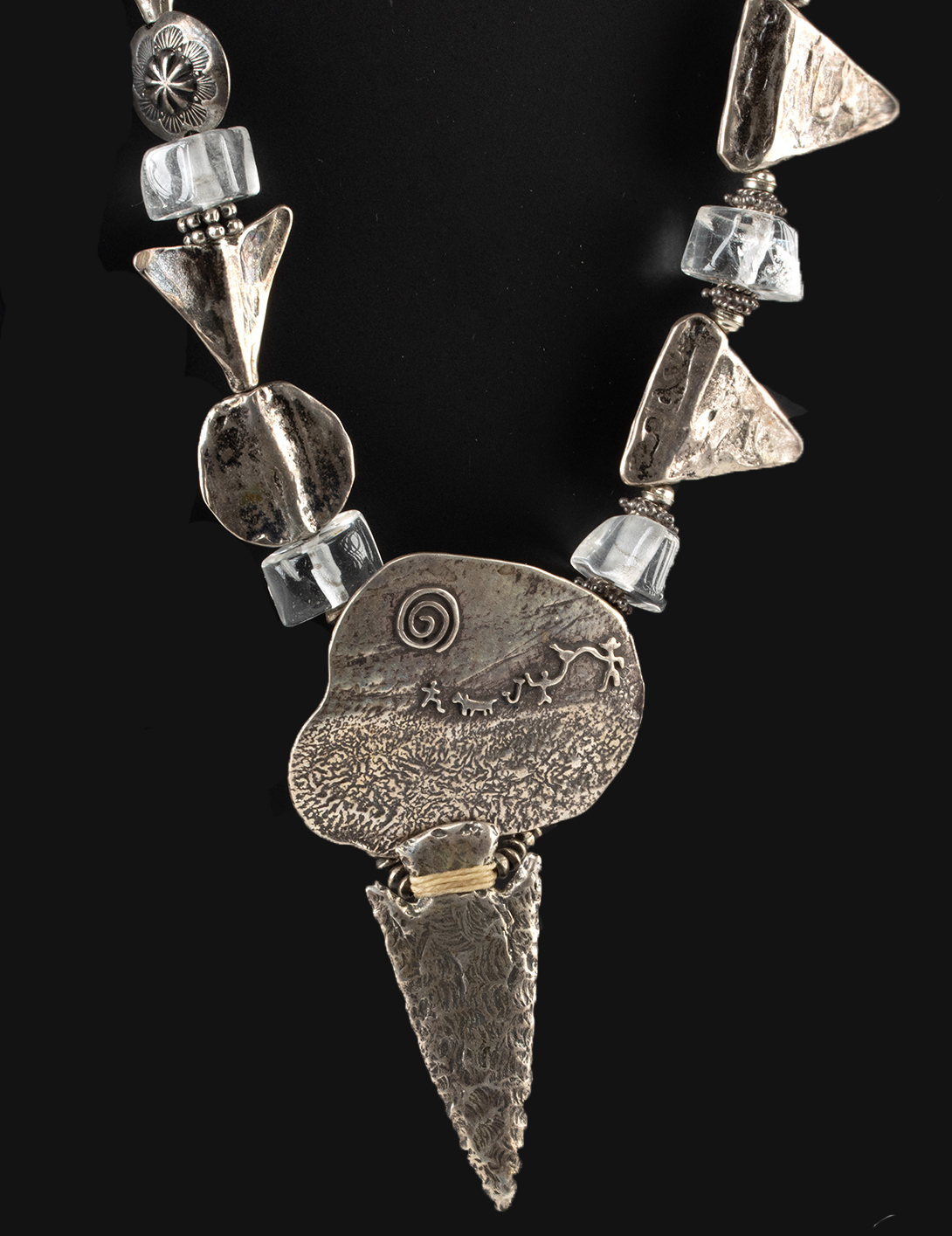
Lot 34a, Auction 4/20/2026: Silver Petroglyph Necklace by Mary & Doug Hancock
Add to cart -


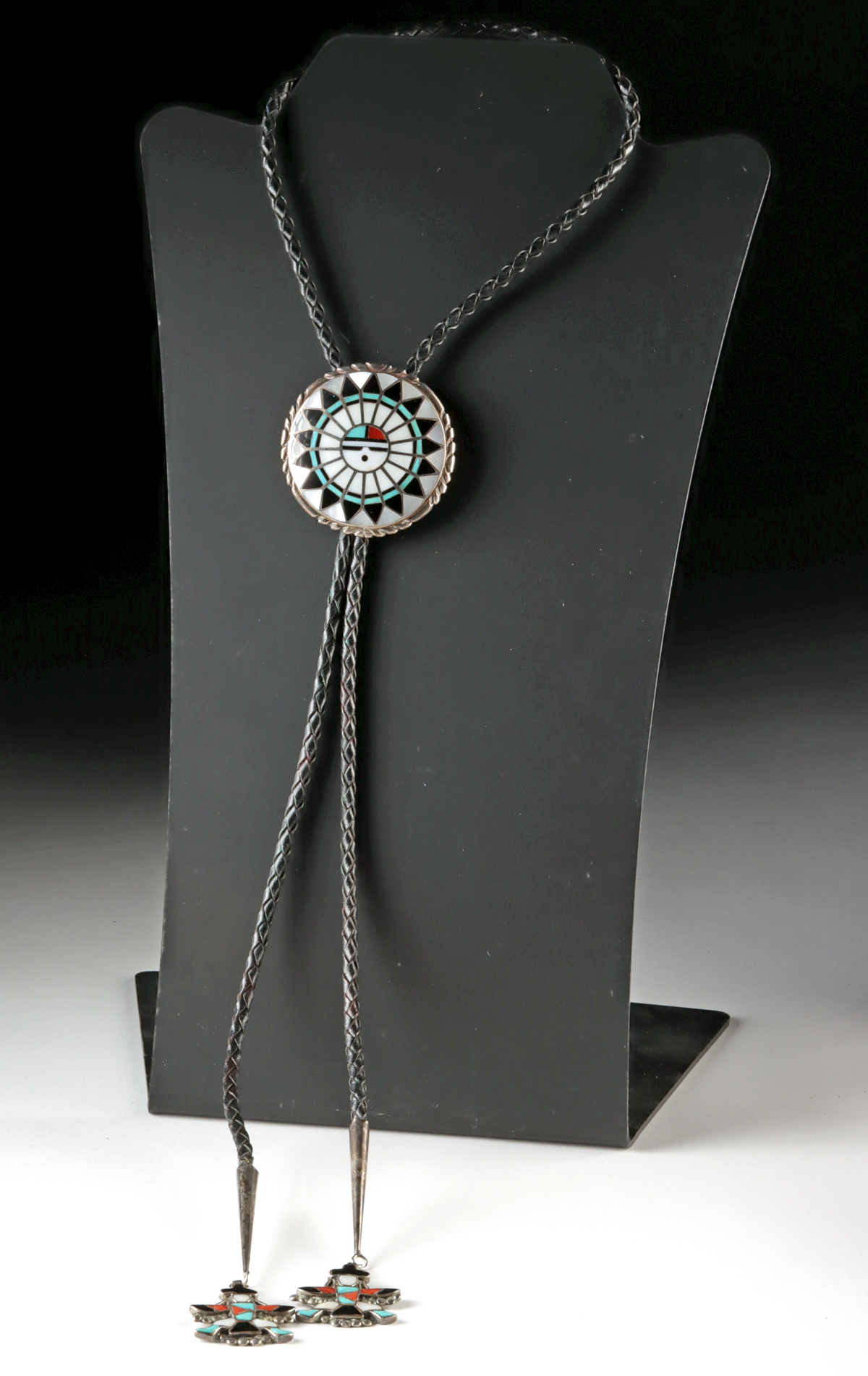
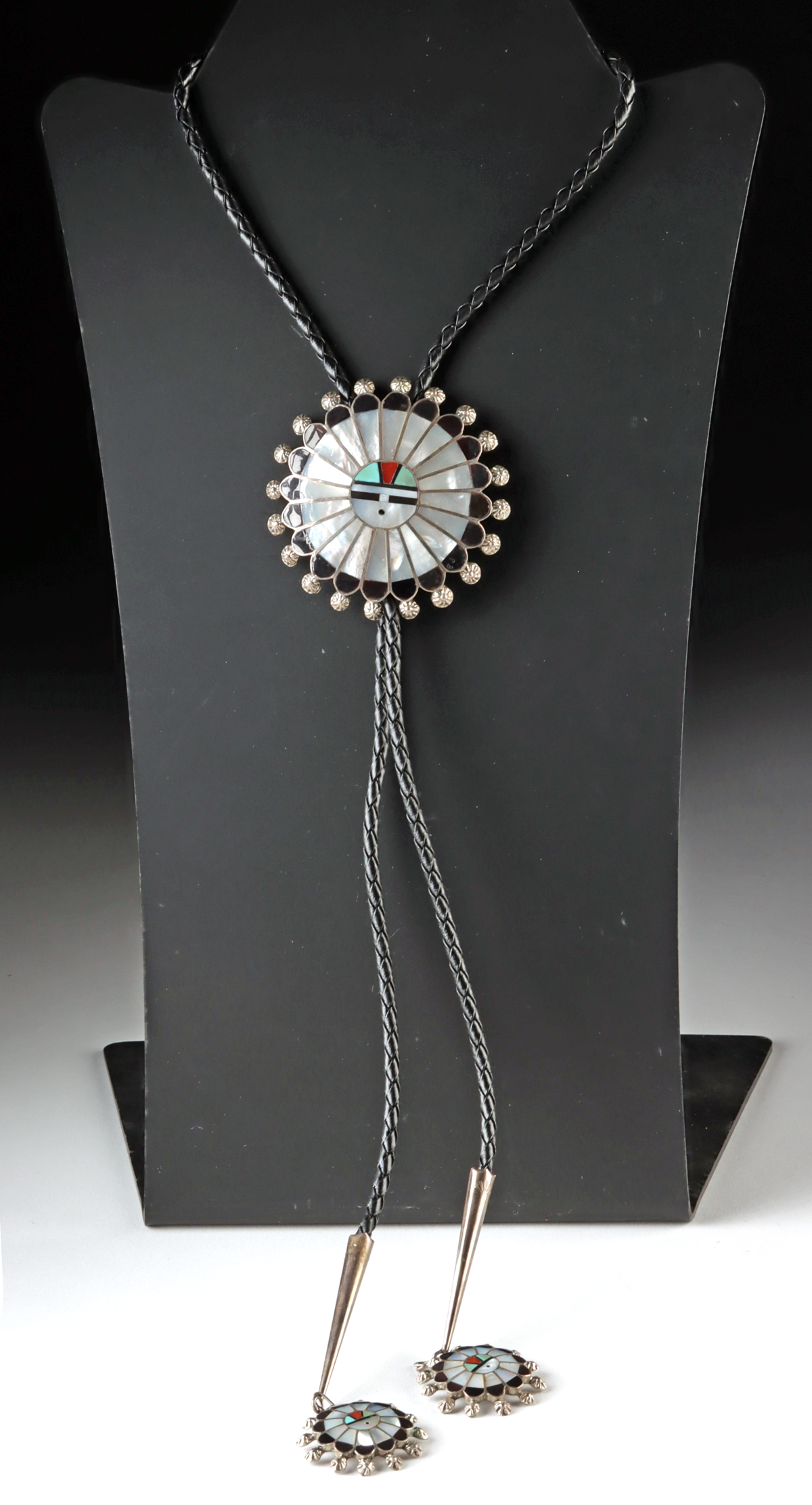
Lot 34, Auction 4/20/2026: Zuni Nacre Inlaid & Silver Sunface Bolo by Abel Soseeah
Add to cart -


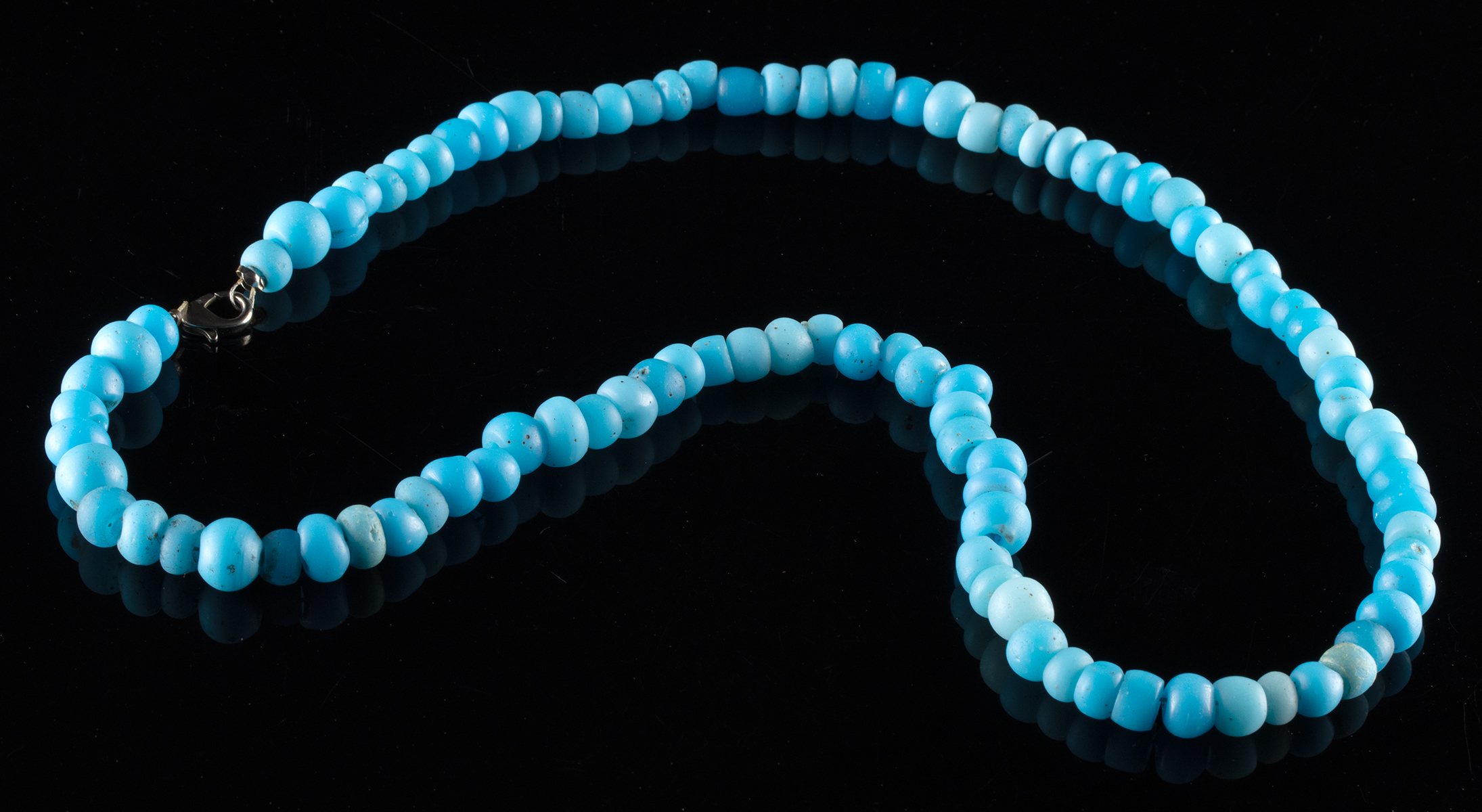
Lot 32, Auction 4/20/2026: Native American Blue Glass Padre Trade Bead Necklace
Add to cart -


Lot 114, Auction 4/20/2026: Two Sumatran Polished Amber Bangle Bracelets
Add to cart