Lot 98, Auction 4/12/2026: 17th C. Chinese Ming Wood Standing Amitabha Buddha
$2,275.00
In stock
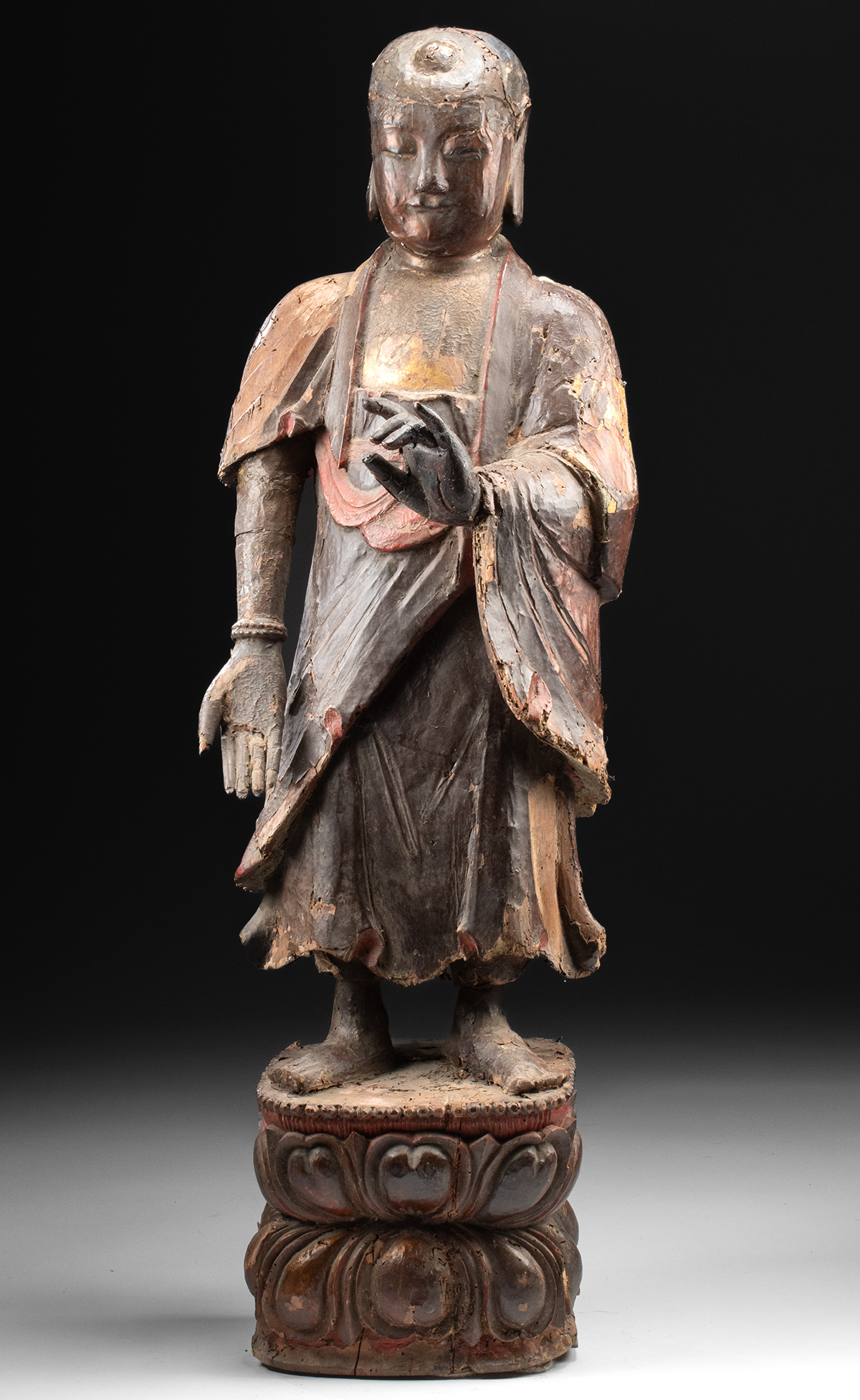
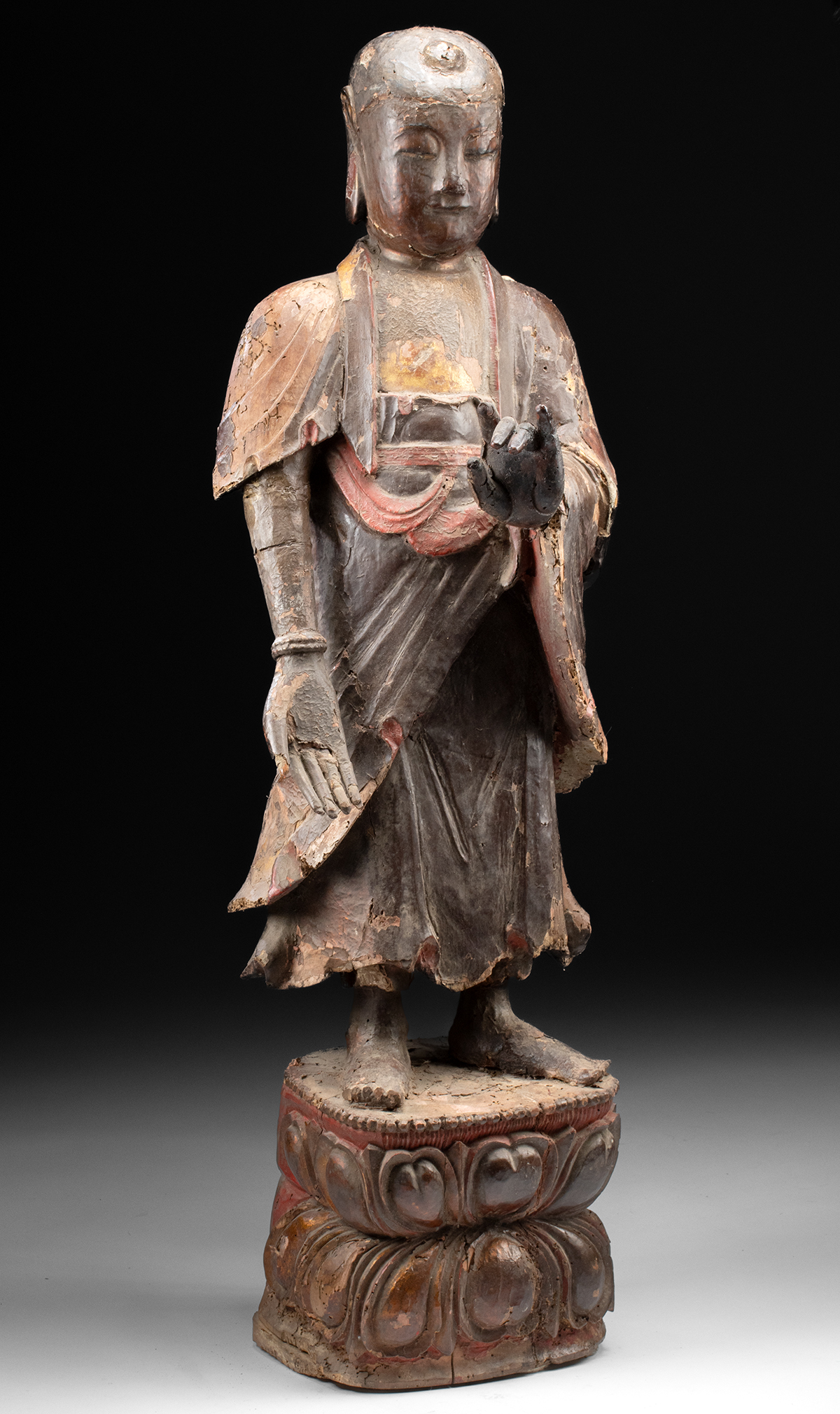
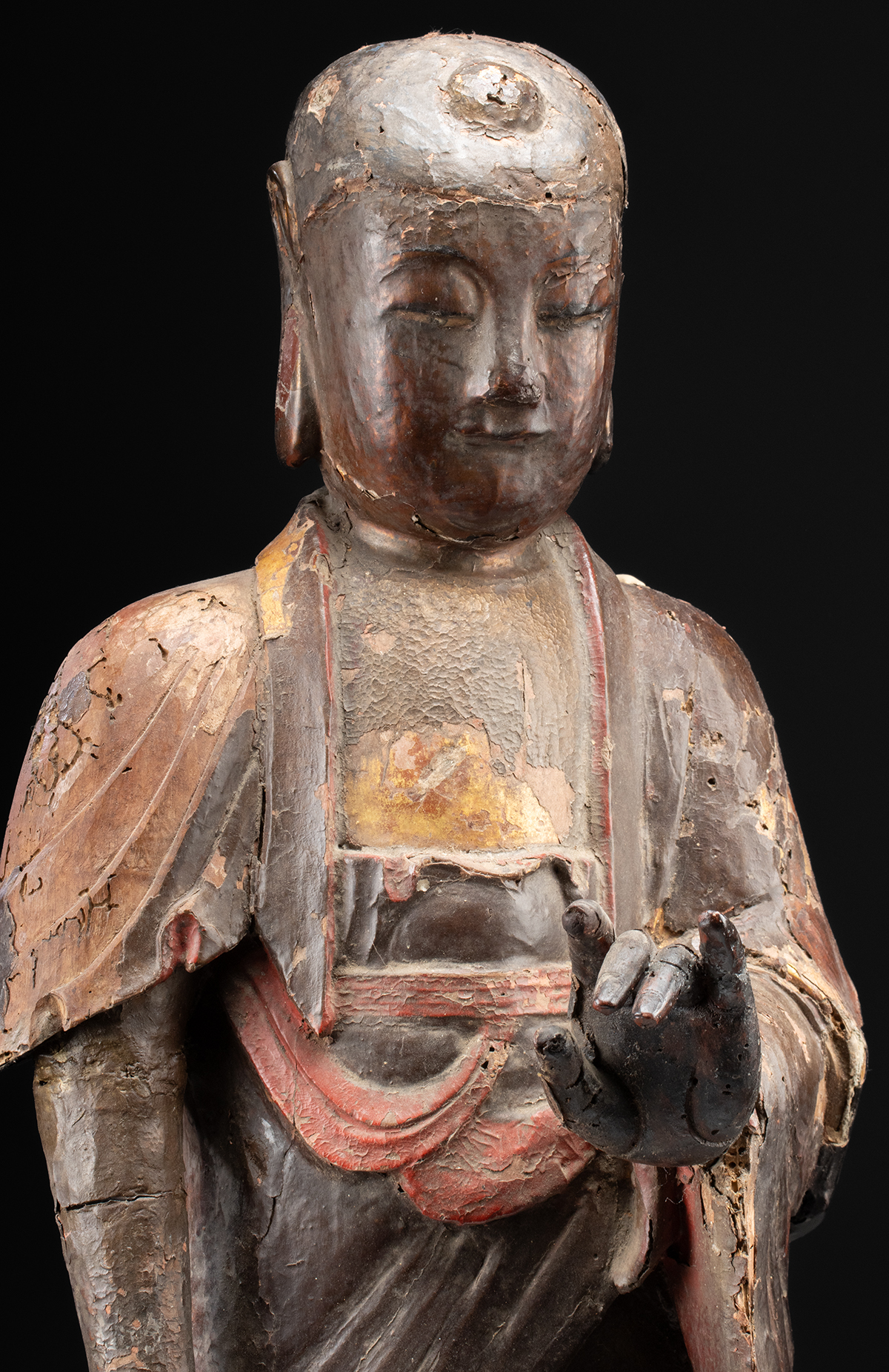
East Asia, China, Ming Dynasty, ca. 17th century CE. A solemn and meditative vision of divine compassion, this 17th-century wooden sculpture represents Amitabha Buddha, the celestial Buddha of Infinite Light, standing gracefully atop a double lotus pedestal. Carved during the transitional period between the Ming and Qing dynasties, the figure is imbued with both artistic refinement and spiritual gravity, capturing the deeply rooted devotional practices of Chinese Pure Land Buddhism. The Buddha is depicted in a frontal, upright posture, robed in voluminous, layered garments that cascade in gentle folds across the body. Delicate remnants of red, black, and gold pigment highlight the original polychromy, worn and weathered by time yet still resonant with sacred presence. Size: 8.5″ L x 10.1″ W x 34″ H (21.6 cm x 25.7 cm x 86.4 cm)
His left hand is held in the apana mudra, a gesture symbolizing the removal of spiritual impurities and the release of karmic obstacles, while the right hand, depending on interpretation, either rests calmly at his side or emerges in the abhaya mudra, a sign of fearlessness and divine protection. A prominent ushnisha, shown here as a cranial bump atop the head, signifies the Buddha’s expanded spiritual wisdom and his transcendence over worldly limitations. The gentle expression and half-closed eyes reflect inner serenity, inviting the viewer into contemplation and encouraging the aspirant’s rebirth in the Western Pure Land – the Sukhavati – where Amitabha presides.
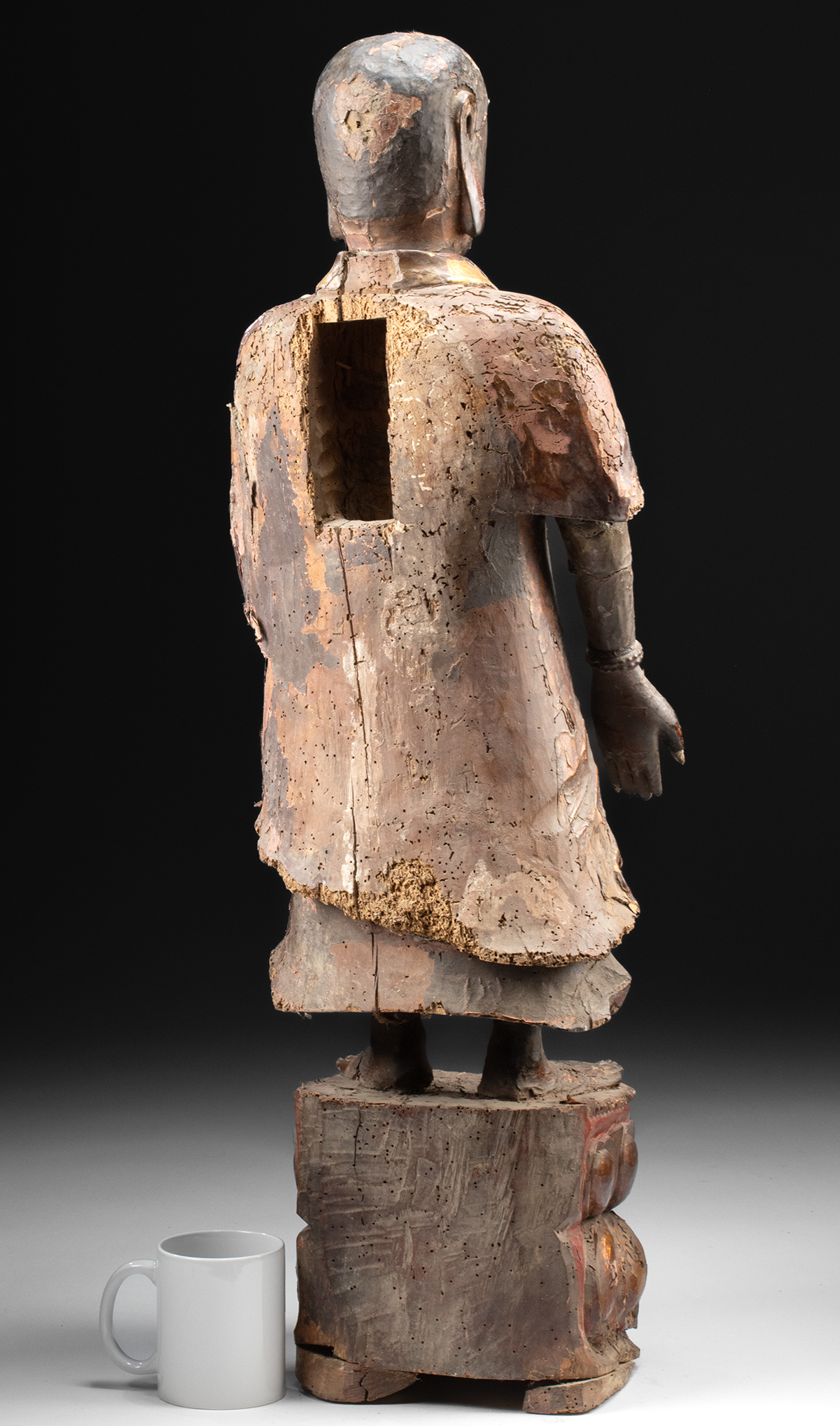
The Buddha stands atop a double lotus throne, a base that symbolizes spiritual awakening, purity rising untainted from the muck of worldly suffering. The two tiers of petals emphasize divine elevation and support the notion of Amitabha as a supreme and radiant protector of sentient beings. A consecration cavity is visible on the back, once used to house sacred objects or prayers during an eye-opening ceremony, further confirming its ritual function within a temple or shrine.
Amitabha worship gained particular momentum in China from the Tang dynasty onward and became central to Pure Land practice, especially during the Ming and Qing periods, when his veneration spread widely among laypeople and monastics alike. The figure’s poised stillness and formal presence would have served as both object of devotion and a powerful meditative focus. This sculpture exemplifies the convergence of technical artistry and devotional intent – a rare and moving testament to the endurance of Buddhist faith across centuries of Chinese cultural history.
Historically, carved figural statues held profound cultural and religious significance in China, serving not merely as decoration but as vital conduits for spiritual inspiration, solace, and ancestral veneration. These sacred objects populated homes, clan halls, temples, and public spaces, where altars and shrines honored familial ancestors and a pantheon of deities. The size and opulence of these dedicated spaces reflected a family’s standing, with even modest homes featuring altars for expressing Confucian piety through ancestor worship. Wealthier families often dedicated entire rooms to elaborate shrines, housing images and ancestor tablets – inscribed placards acting as spiritual seats for the deceased, sometimes even found in temple halls where monks offered prayers for their well-being in the afterlife.
Central to imbuing these carvings with spiritual potency was the “eye opening ceremony,” a consecration ritual performed by a senior priest or monk. This process, involving practices like dotting the eyes with cinnabar, pricking them, or anointing them with liquids, was believed to awaken the statue’s senses, enabling it to perceive and respond to devotees’ prayers. Before this ritual, a cavity carved into the statue’s back was filled with sacred documents, a dated paper script honoring the donors and commemorating the event, prayers, and symbolic items representing inner organs, then sealed. The completed, veiled statue was then solemnly carried to the temple for the complex consecration, a communal event believed to imbue the inert carving with life force (chi or qi) and invite the deity’s spirit to reside within.
Condition: Missing bung cover to prayer cavity in verso. Professionally repaired with break lines visible. Areas of old, inactive insect holes, as well as some chips, nicks, and abrasions. Otherwise, liberal remaining gilding and rich patina throughout.
Provenance: private Los Angeles, California, USA collection, acquired from 1990 – 2005
All items legal to buy/sell under U.S. Statute covering cultural patrimony Code 2600, CHAPTER 14, and are guaranteed to be as described or your money back.
A Certificate of Authenticity will accompany all purchases.
We ship worldwide and handle all shipping in-house for your convenience.
Related Products
-


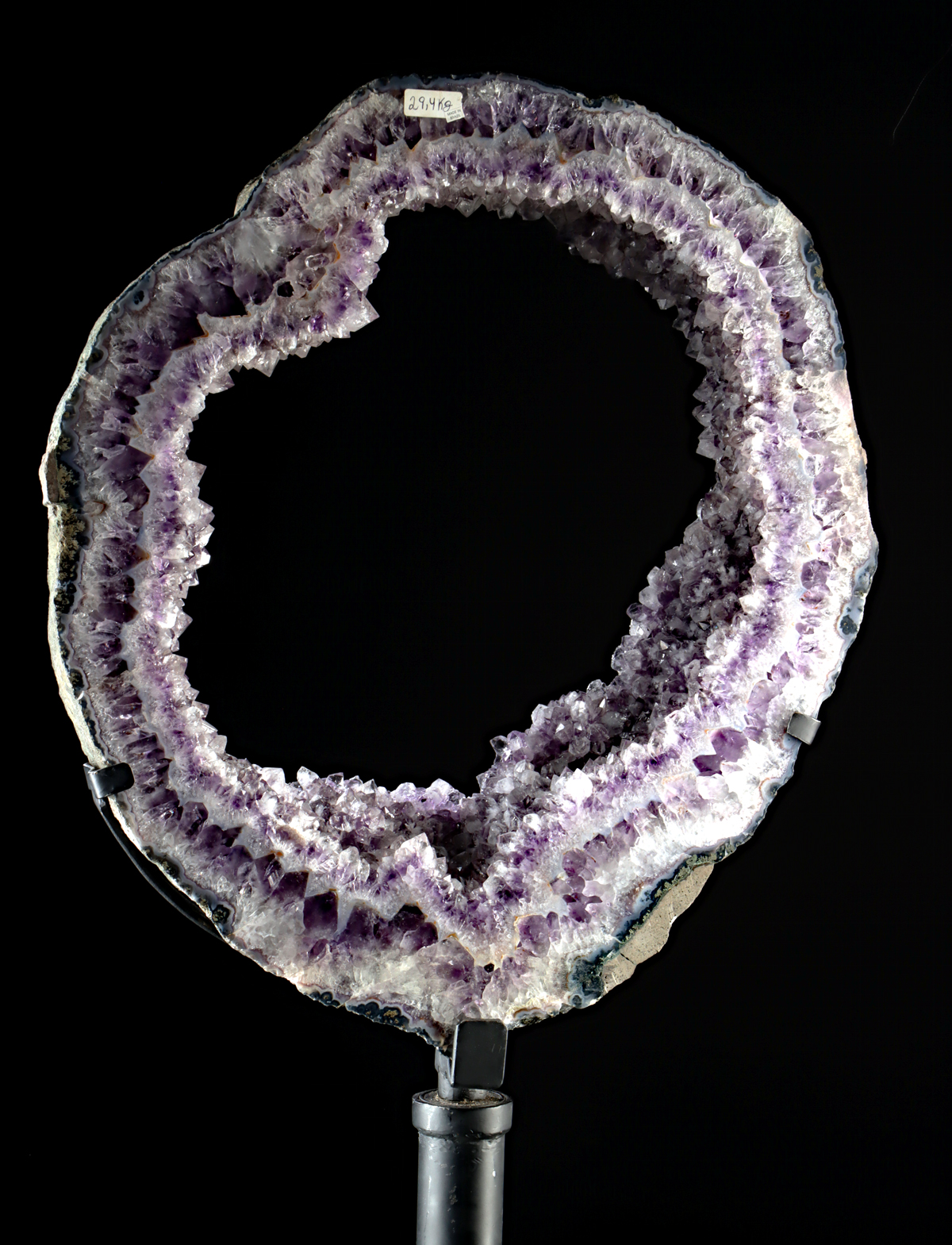
Lot 6, Auction 4/12/2026: Huge Amethyst Geode on Stand, Natural Crystal Display
Add to cart -


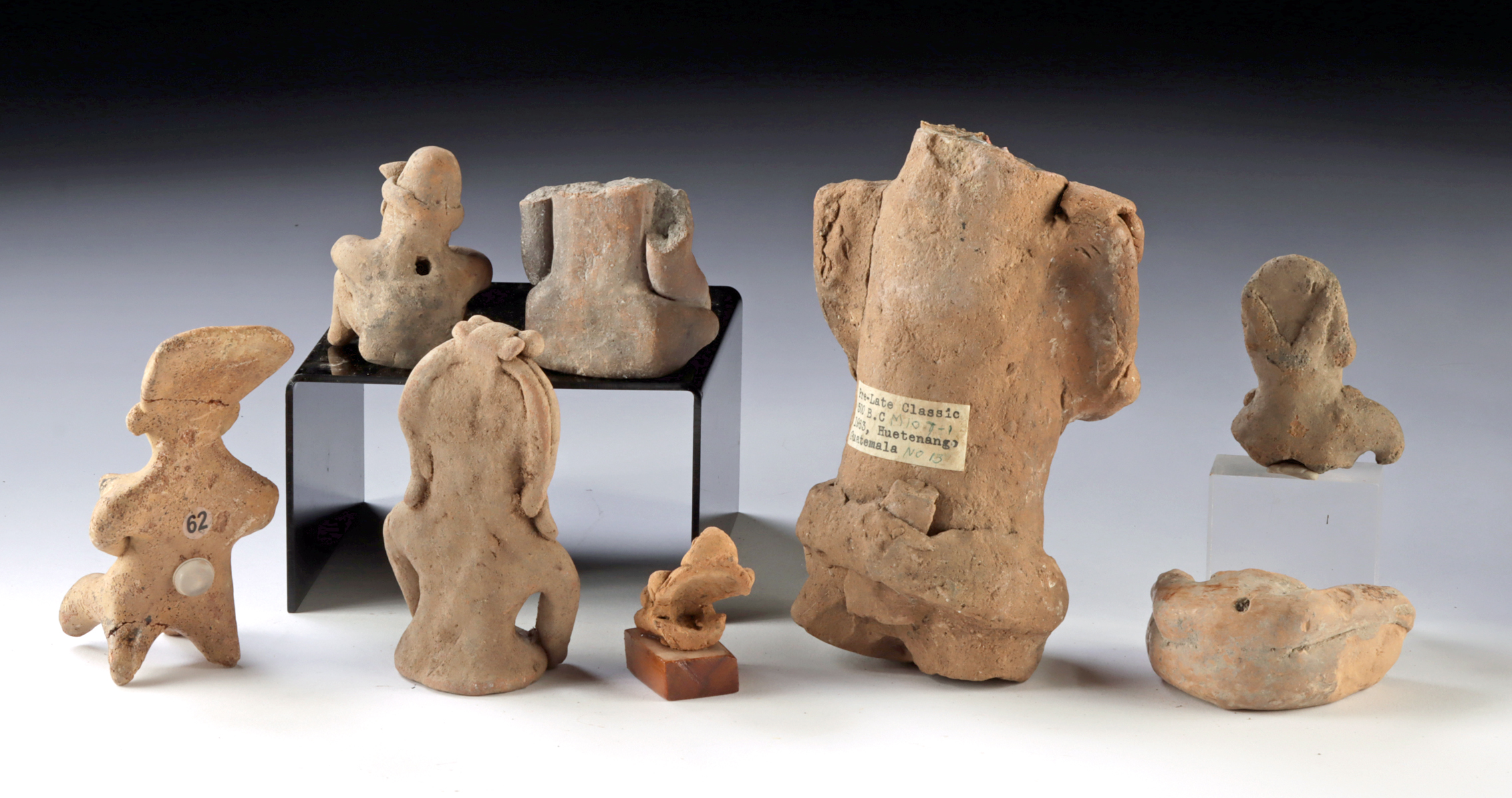
Lot 58a, Auction 4/12/2026: Mesoamerican Pottery Figures – 8 Piece Lot
Add to cart -


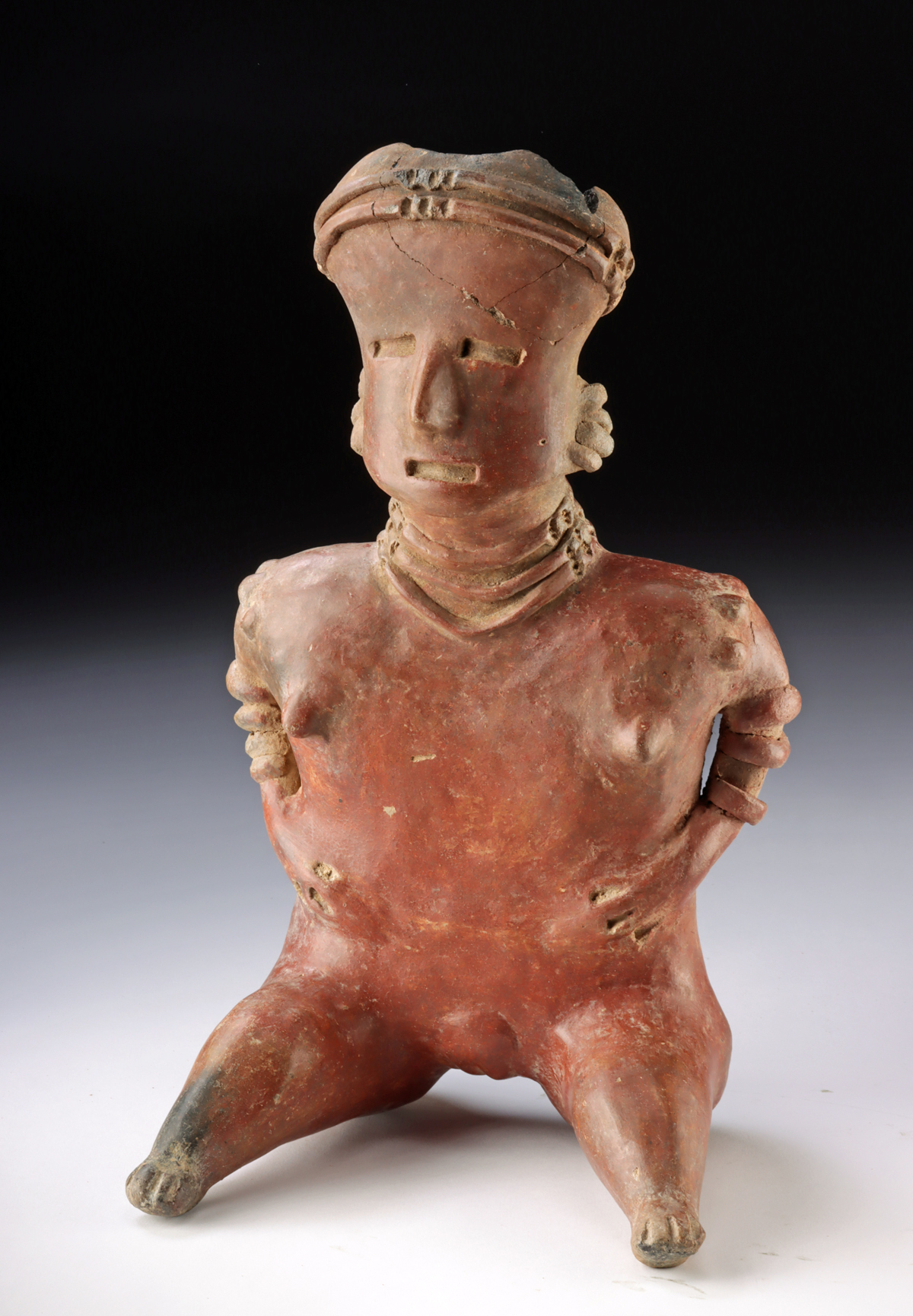
Lot 56, Auction 4/12/2026: Nayarit Pottery Nude Female w/ Scarification & Jewelry
Add to cart -


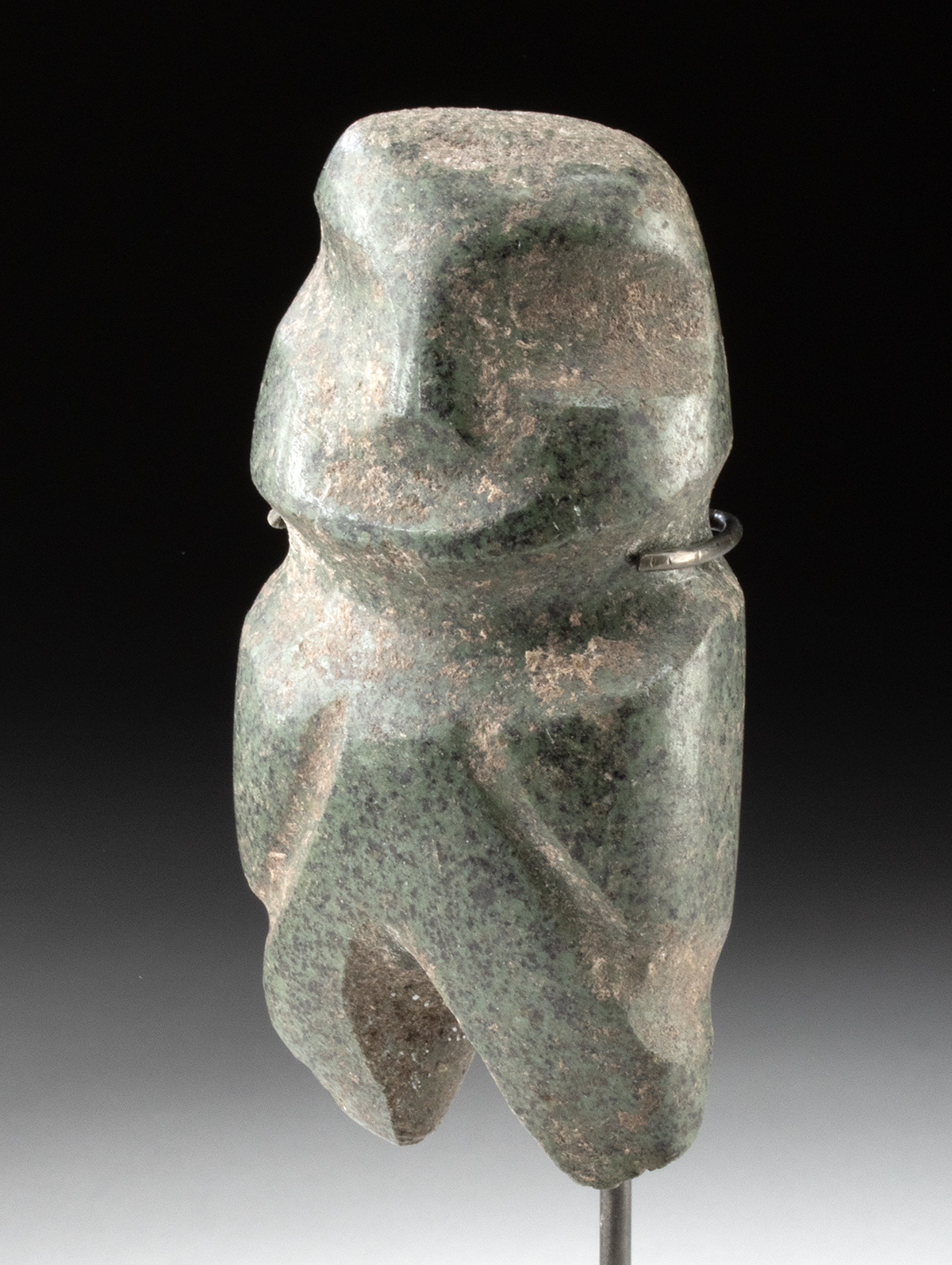
Lot 52, Auction 4/12/2026: Mezcala Guerrero Greenstone Axe God Figure
Add to cart -


Lot 51, Auction 4/12/2026: Large Guerrero Mezcala Stone Axe God Figure
Add to cart -


Lot 50c, Auction 4/12/2026: Impressive Jalisco Bichrome Female w/ Tattooed Breasts
Add to cart -


Lot 50, Auction 4/12/2026: La Tolita Carved Bone Nude Male Effigy Figure w/ Fangs
Add to cart -


Lot 49b, Auction 4/12/2026: Walrus Ivory Sculpture of Gecko & Centipede
Add to cart -


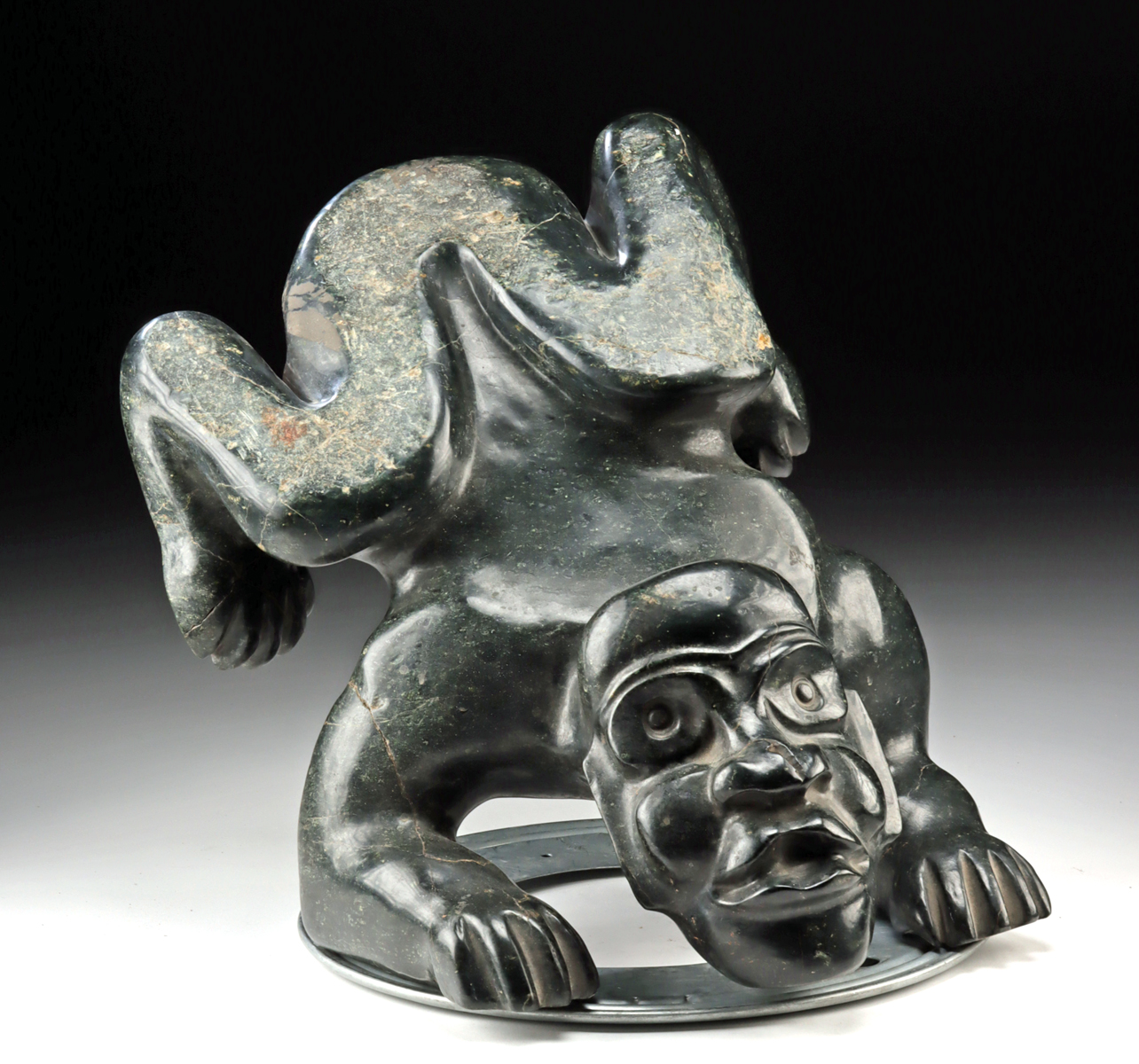
Lot 49a, Auction 4/12/2026: Large Inuit Soapstone Acrobat in Transformative Pose
Add to cart -


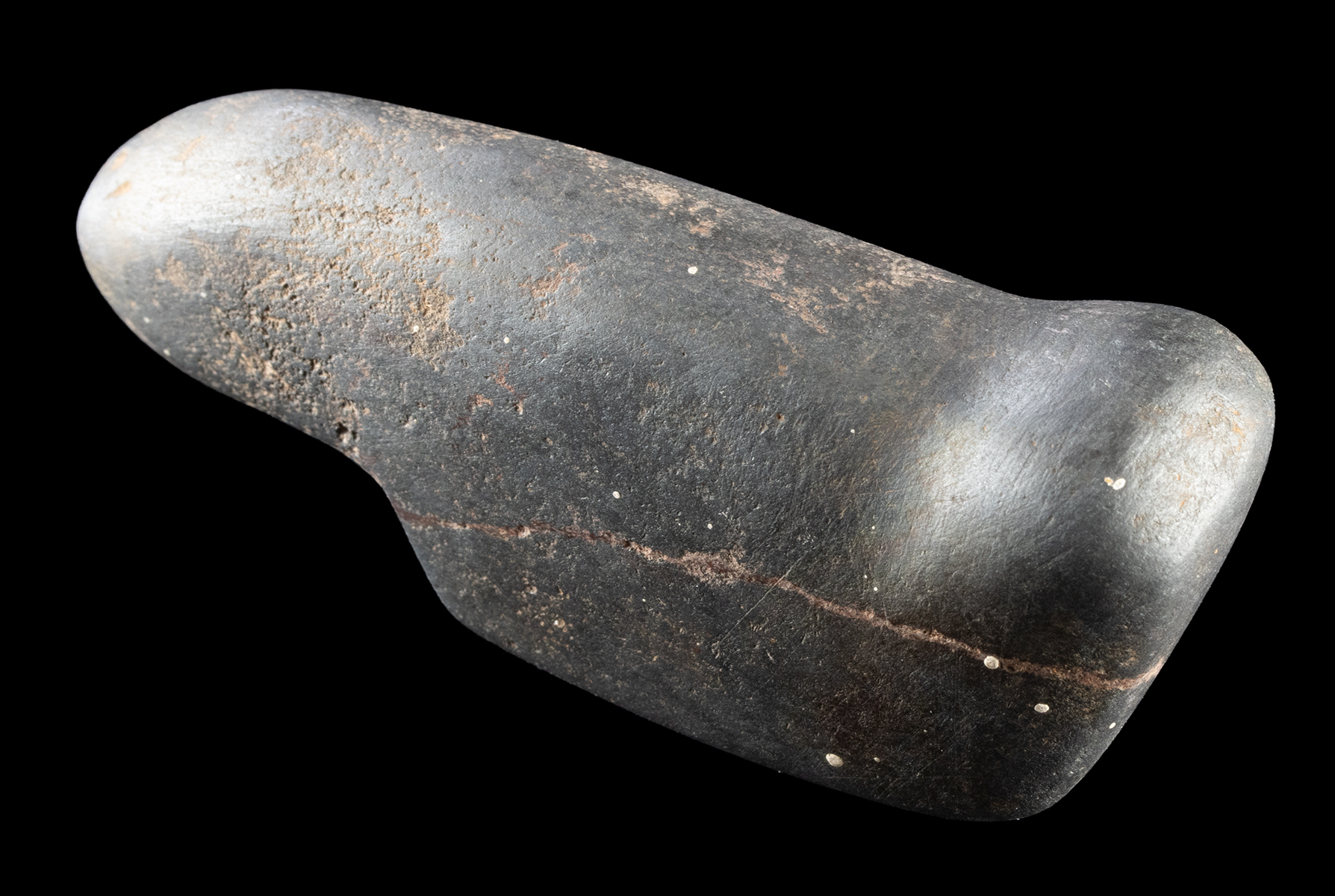
Lot 39, Auction 4/12/2026: Native American Late Archaic Birdstone – Pope Co., Ill.
Add to cart