- You cannot add another "Lot 227b, Auction 4/3/2026: Two 19th C Italian Silver Devotional Feathers" to your cart. View cart
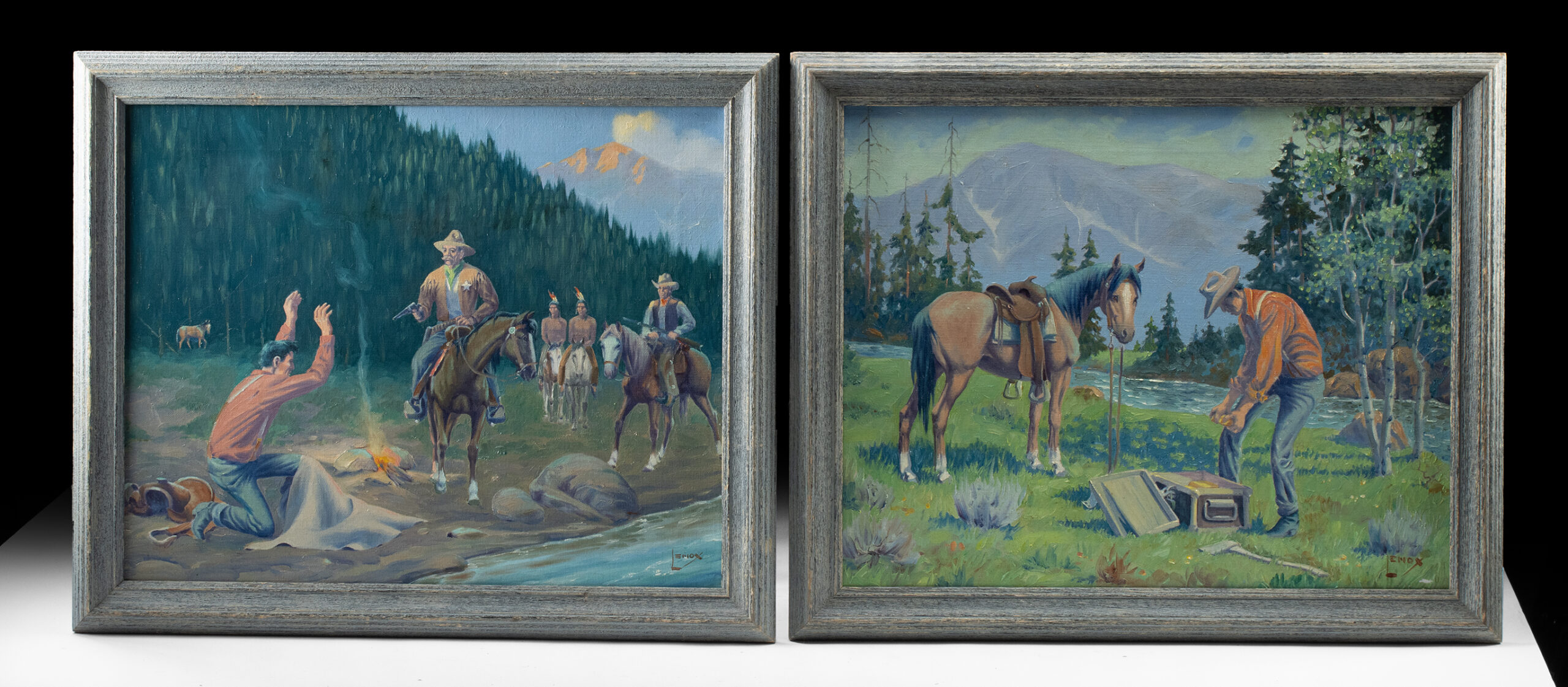
Lot 242, Auction 4/3/2026: 2 August Curley Lenox Oils “The Loot” & “The Capture”
$585.00
In stock
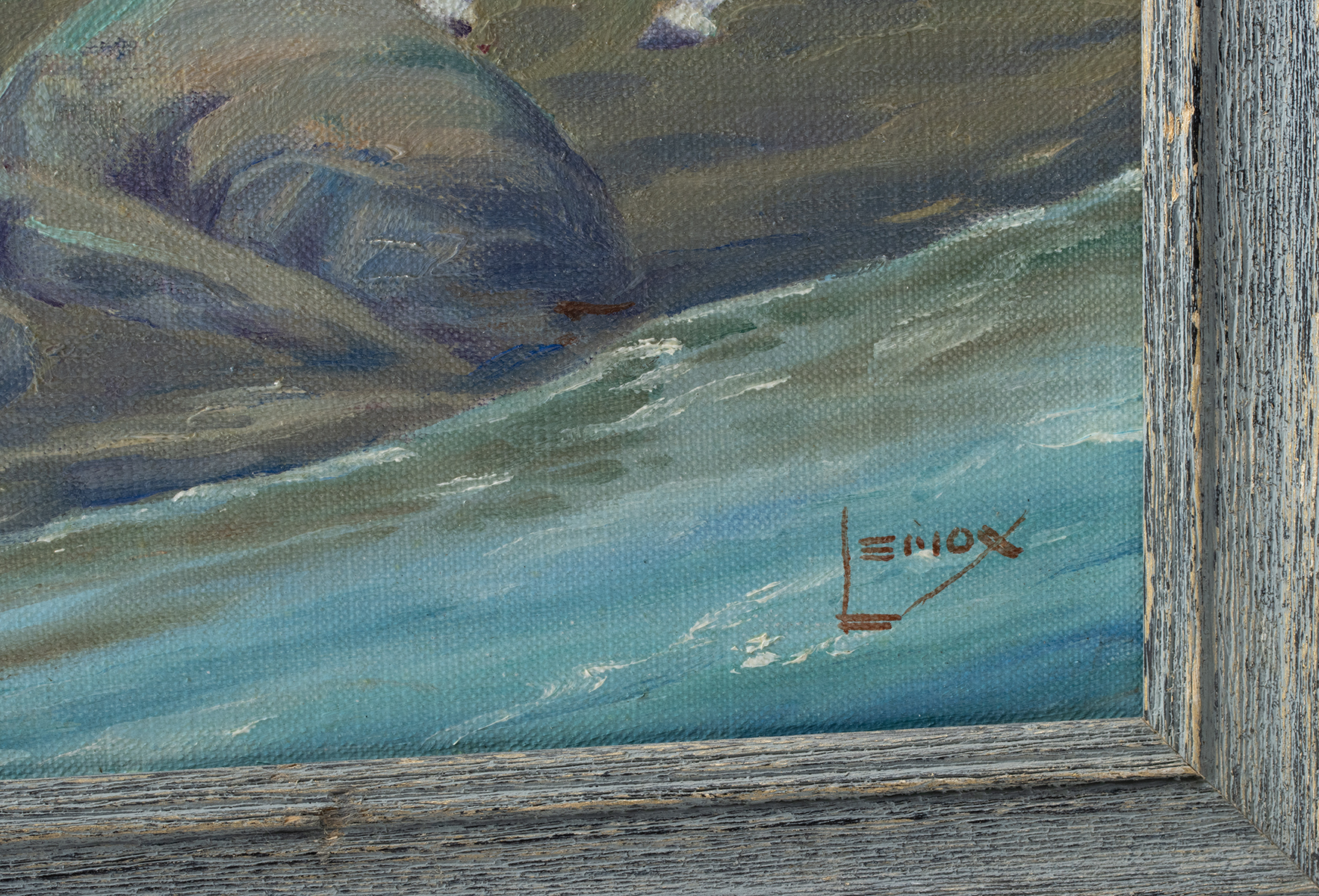
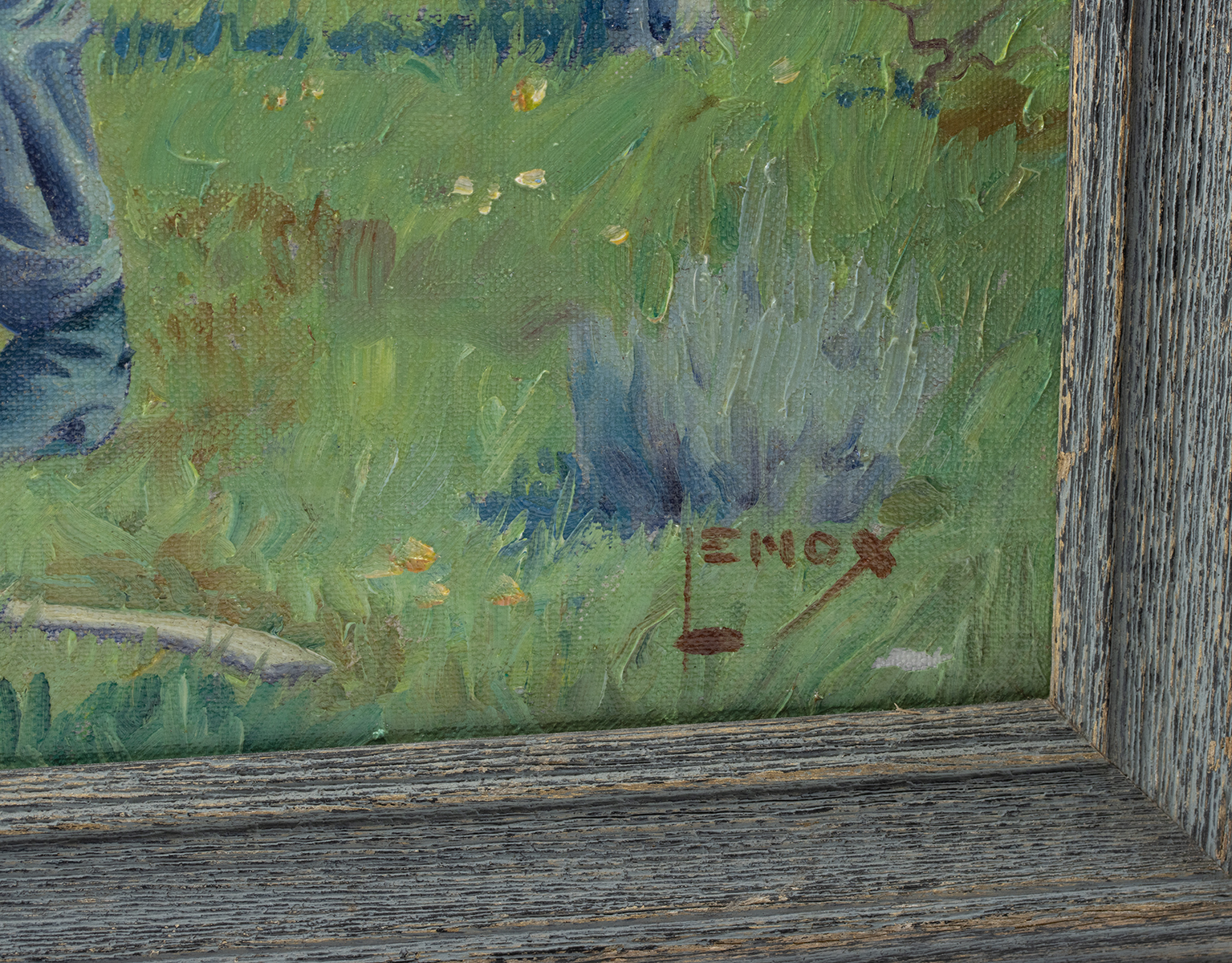
August Curley Lenox (American, 1908-1986). “The Loot” and “The Capture” two oil on canvas paintings, n.d. Both signed at lower right. This dramatic pair of western narrative paintings presents two sequential moments in a stark frontier story – theft and consequence – rendered with the grit and realism for which August Curley Lenox is known. In “The Loot,” the story begins. A cowboy in a red shirt stands beside a riverbank meadow under open daylight, bending over an opened chest filled with gold. His saddled horse waits nearby, reins slack, as if unaware of the gravity of the act. The surrounding landscape is serene – green grass, scattered trees, and distant mountains under a clear sky – a calm setting that heightens the tension of the scene. The figure’s posture suggests urgency and calculation. Size of painting (both the same): 19.5″ W x 15.5″ H (49.5 cm x 39.4 cm); of frame (both the same): 23″ W x 19″ H (58.4 cm x 48.3 cm)
Lenox avoids melodrama; instead, he presents the moment plainly, as an act of opportunistic theft carried out in the open range where isolation tempts fate.
“The Capture” delivers the inevitable reckoning. The same red-shirted figure now kneels beside a small campfire along a mountain stream, his arms raised in surrender. His hat and rifle lie cast aside in the dirt, signaling defeat. Approaching him are mounted figures – a sheriff, another cowboy, and two Native Americans – emerging from the timbered edge of the scene. Their horses are steady, controlled, and authoritative. The dark forest and distant snow-touched peaks frame the confrontation, while the glow of the campfire draws the eye to the captive at center. Lenox stages the scene not as spectacle but as lived frontier justice. The kneeling man appears dusty, strained, and very human, the imbalance of power unmistakable.
Together, the paintings function as sequential chapters in a visual chronicle. Lenox built his western imagery from experience and historical grounding rather than invention, and that authenticity is evident here. The figures are lean and work-worn, the landscape expansive and indifferent. There is no romantic gloss – only the stark cycle of greed, pursuit, and capture on the open range.
About the artist: August Lenox was born in 1908 in a sod dwelling on a homestead in the windswept plains of North Dakota, a beginning that placed him squarely within the raw landscape he would later paint. He eventually settled in the Texas Hill Country, where he devoted himself to western subjects rendered in oil – cowboys and Native figures marked by dust, fatigue, and the visible toll of frontier life. His men are spare and hardened, shaped by cattle drives, conflict, and the relentless demands of the open range.
Lenox did not merely imagine that world, he worked within it. Associated with the Chuck Wagon West, he lived among working cowhands and absorbed the rhythms of camp life firsthand. Though not unfriendly, he was not inclined toward clubs or artistic circles. He preferred the company of range riders and campfires, and his paintings reflect that independence. Each composition was rooted, in his view, in lived experience or documented history rather than romantic invention.
A foundation in Los Angeles was later established to preserve and promote his work, underscoring the lasting appeal of his vision of the West. Among his most ambitious projects was a cycle of historical paintings addressing the early frontier era. One major series comprised twenty large canvases recounting the devastation of the great buffalo slaughter – a somber narrative of expansion, industry, and loss. These works were reportedly reproduced for magazine illustration, bringing Lenox’s stark interpretation of western history to a broader public.
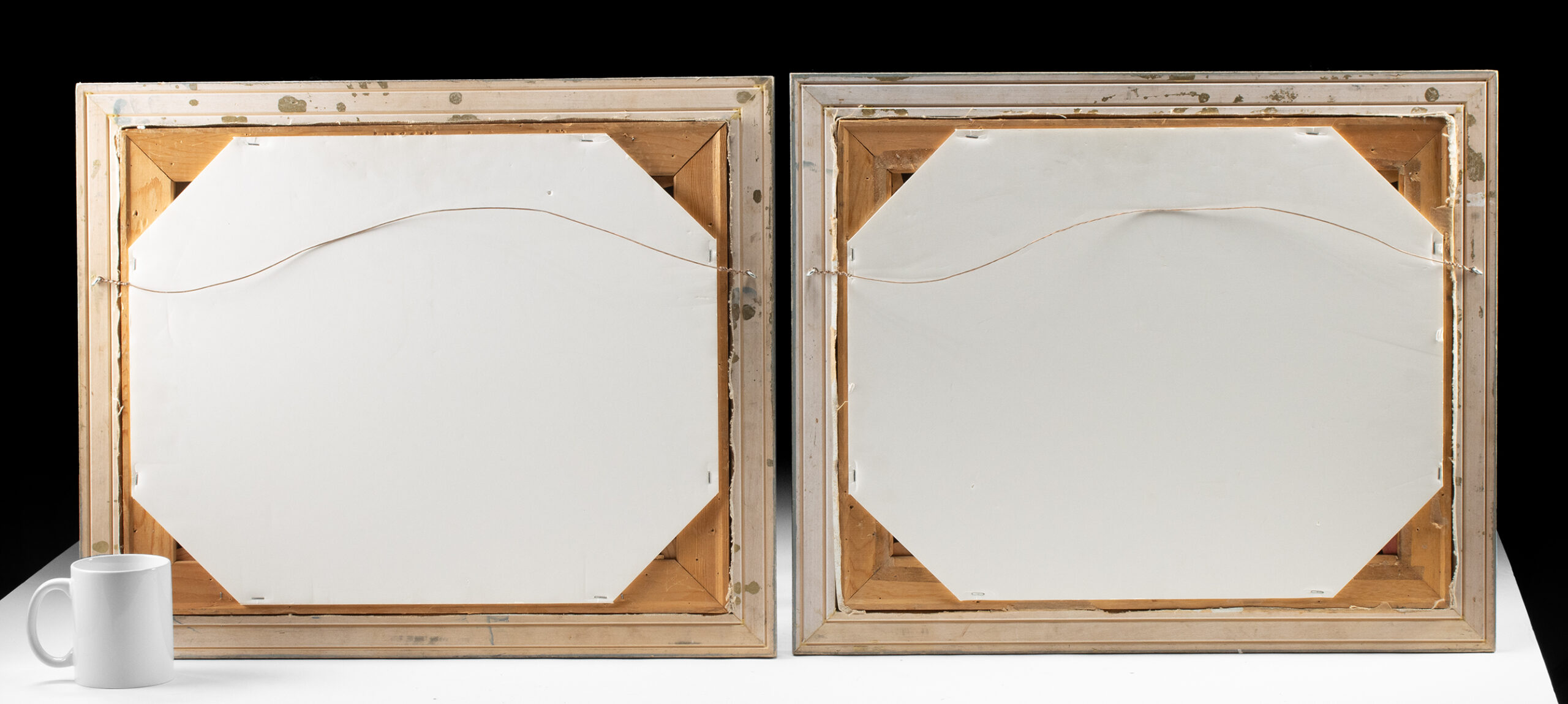
Condition: Both fit with custom frames and suspension wires on versos for display. Some light surface grime, but otherwise both paintings and frames are all in excellent overall condition. Both signed at lower right.
Provenance: private Coeur d’Alene, Idaho, USA collection
All items legal to buy/sell under U.S. Statute covering cultural patrimony Code 2600, CHAPTER 14, and are guaranteed to be as described or your money back.
A Certificate of Authenticity will accompany all purchases.
We ship worldwide and handle all shipping in-house for your convenience.
Related Products
-


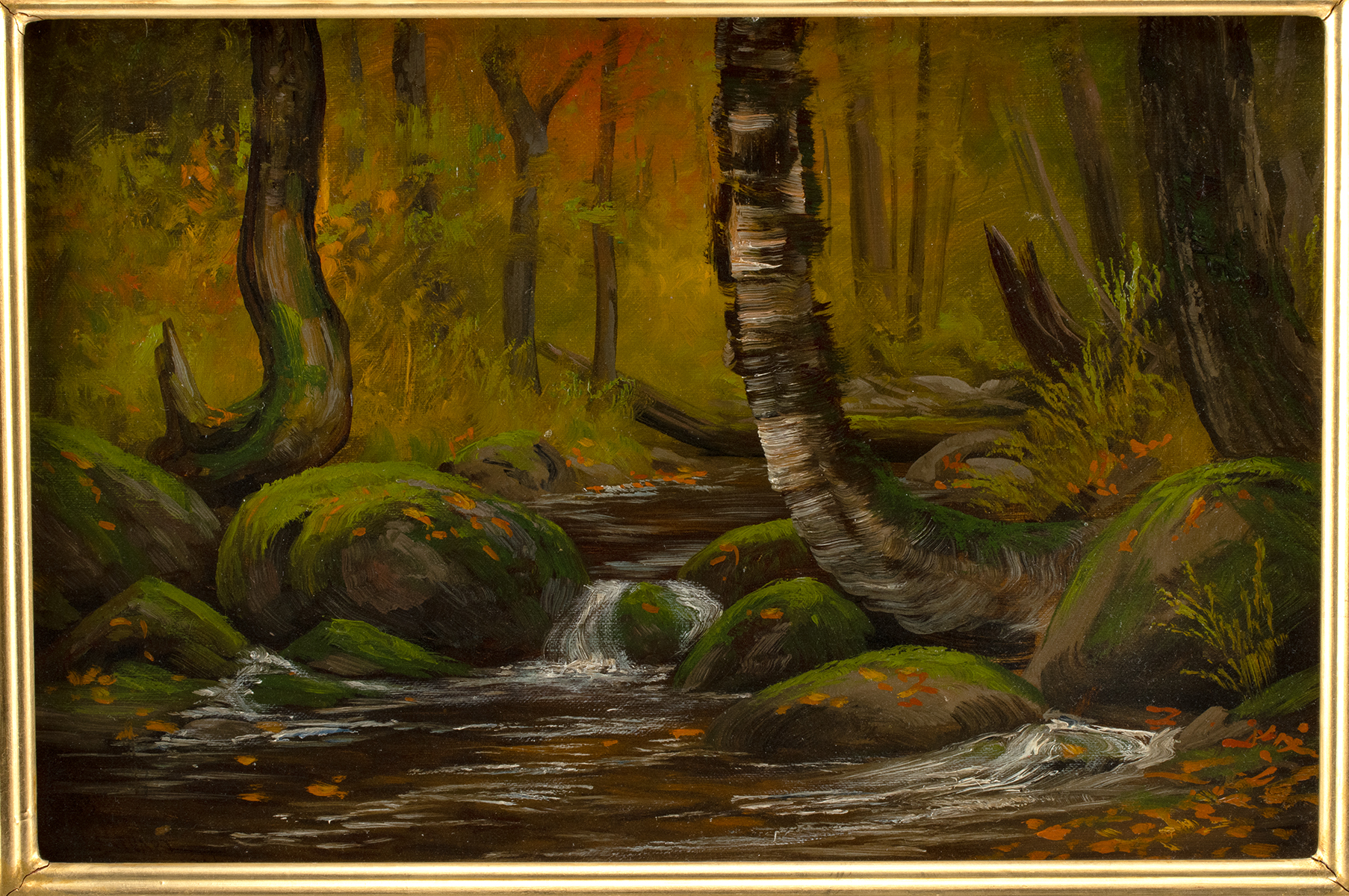
Lot 234, Auction 4/3/2026: James E. Stuart Painting “Looking Up a Brook …” (1906)
Add to cart -


Lot 233, Auction 4/3/2026: Franklin Moody Painting – Storm’s Passing, Grand Canyon
Add to cart -


Lot 227b, Auction 4/3/2026: Two 19th C Italian Silver Devotional Feathers
Add to cart -


Lot 227, Auction 4/3/2026: 19th C. Gilt & Silvered Three-Handed Mother of God Icon
Add to cart -


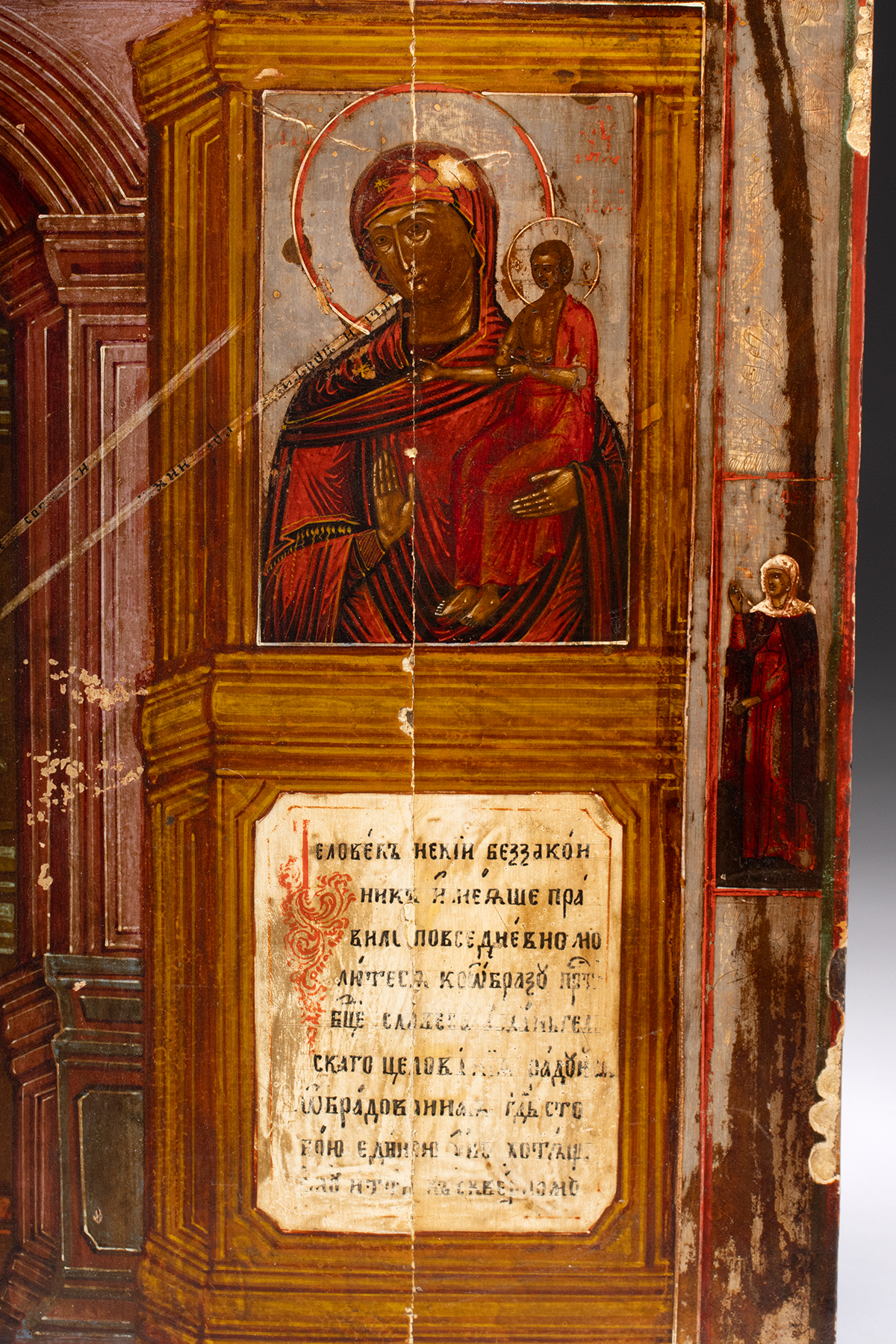
Lot 226, Auction 4/3/2026: 18th C. Russian Silvered Icon – “The Unexpected Joy”
Add to cart -


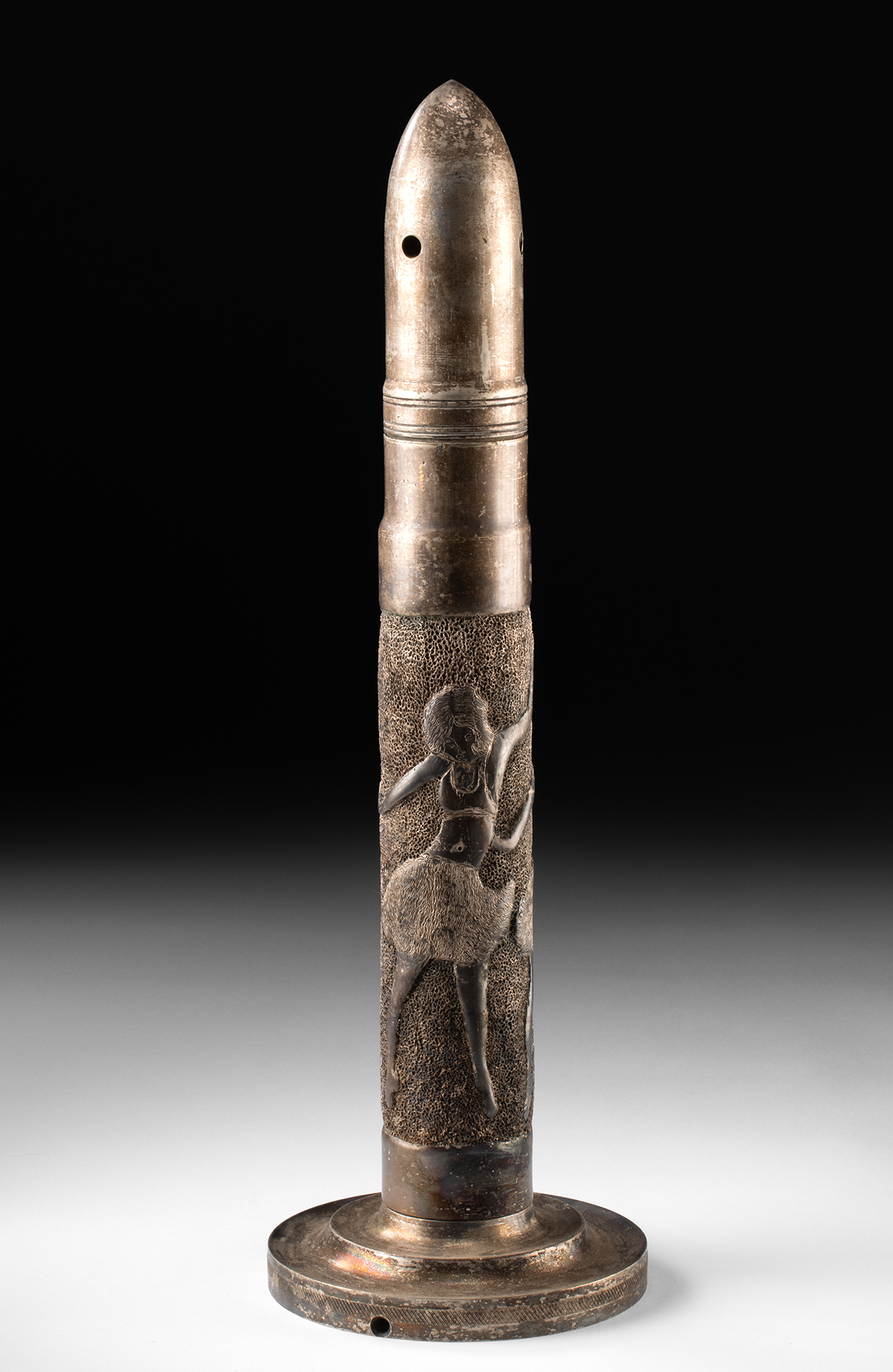
Lot 221, Auction 4/3/2026: WWI Silver-Plated Shell Trench Art – Dancers
Add to cart -


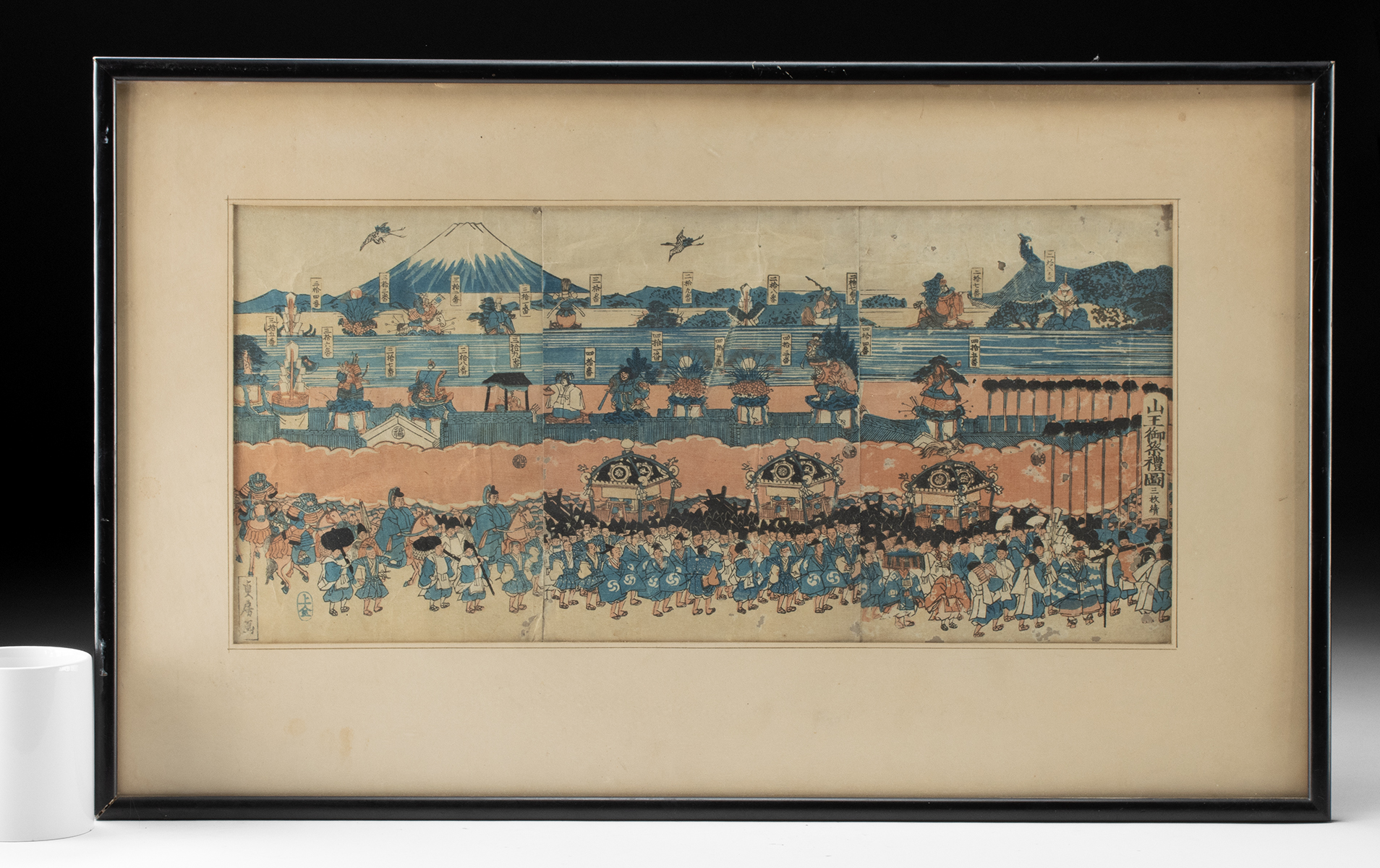
Lot 184, Auction 4/3/2026: Japanese Ukiyo-e Print Triptych – “Sanno Festival”
Add to cart -


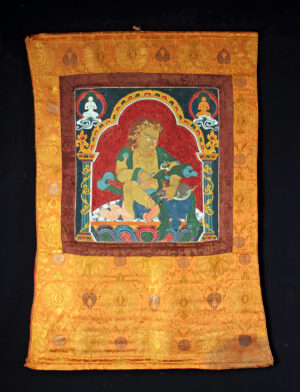
Lot 161d, Auction 4/3/2026: Tibetan Gilt Thangka Silk Painting – Yellow Jambhala
Add to cart -

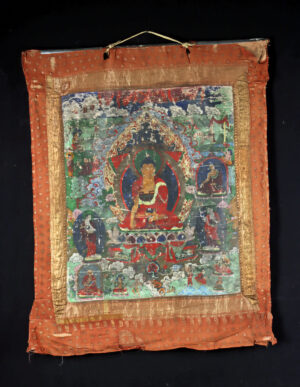
Lot 161c, Auction 4/3/2026: 18th C. Tibetan Thangka – Shakyamuni Buddha
Add to cart -


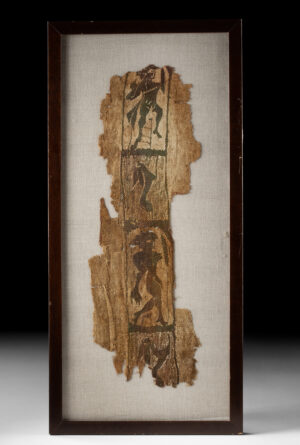
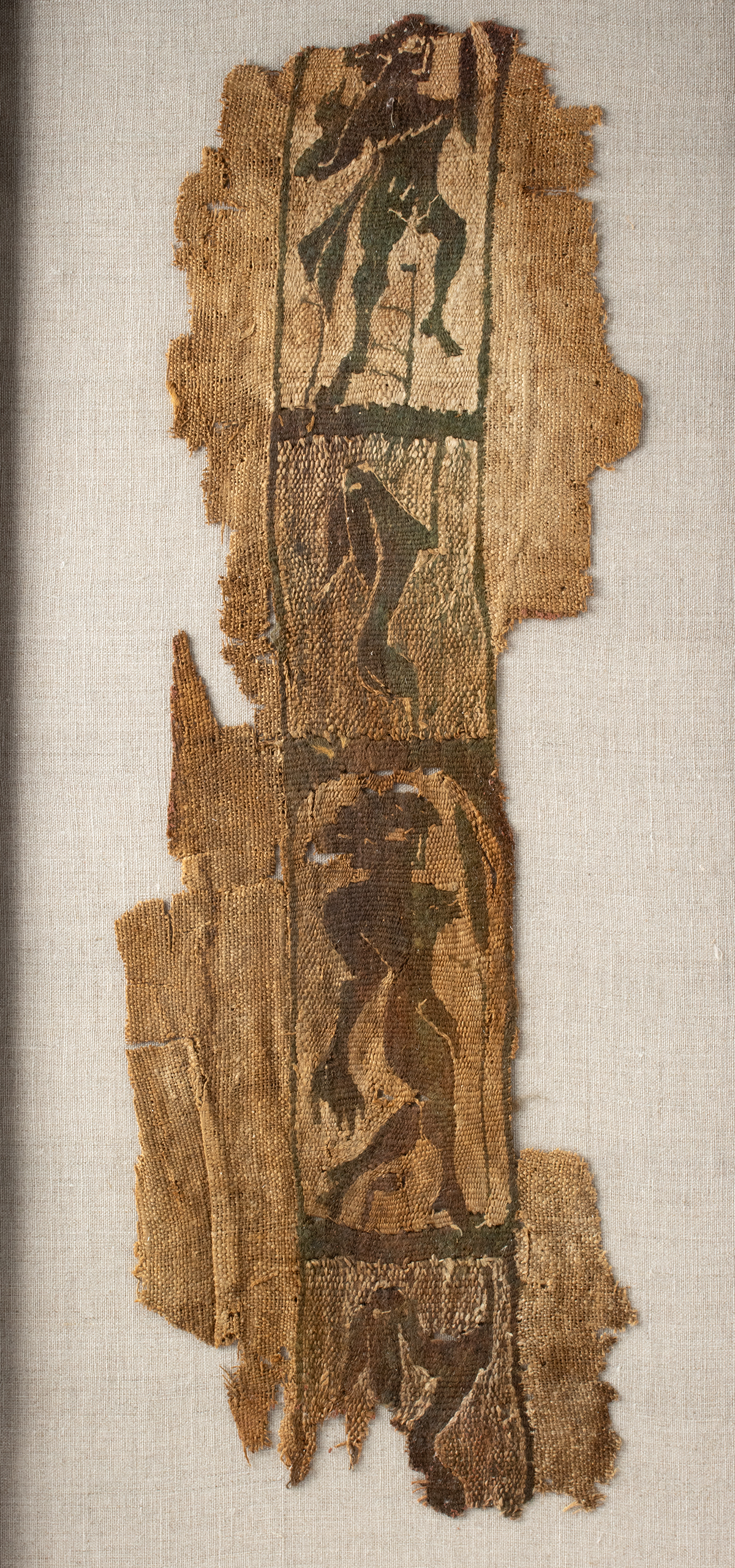
Lot 132, Auction 4/3/2026: Egyptian Coptic Textile Fragment – Nude Dancers & Hares
Add to cart