Lot 234, Auction 4/3/2026: James E. Stuart Painting “Looking Up a Brook …” (1906)
$1,040.00
In stock
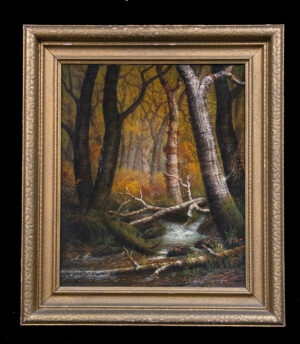
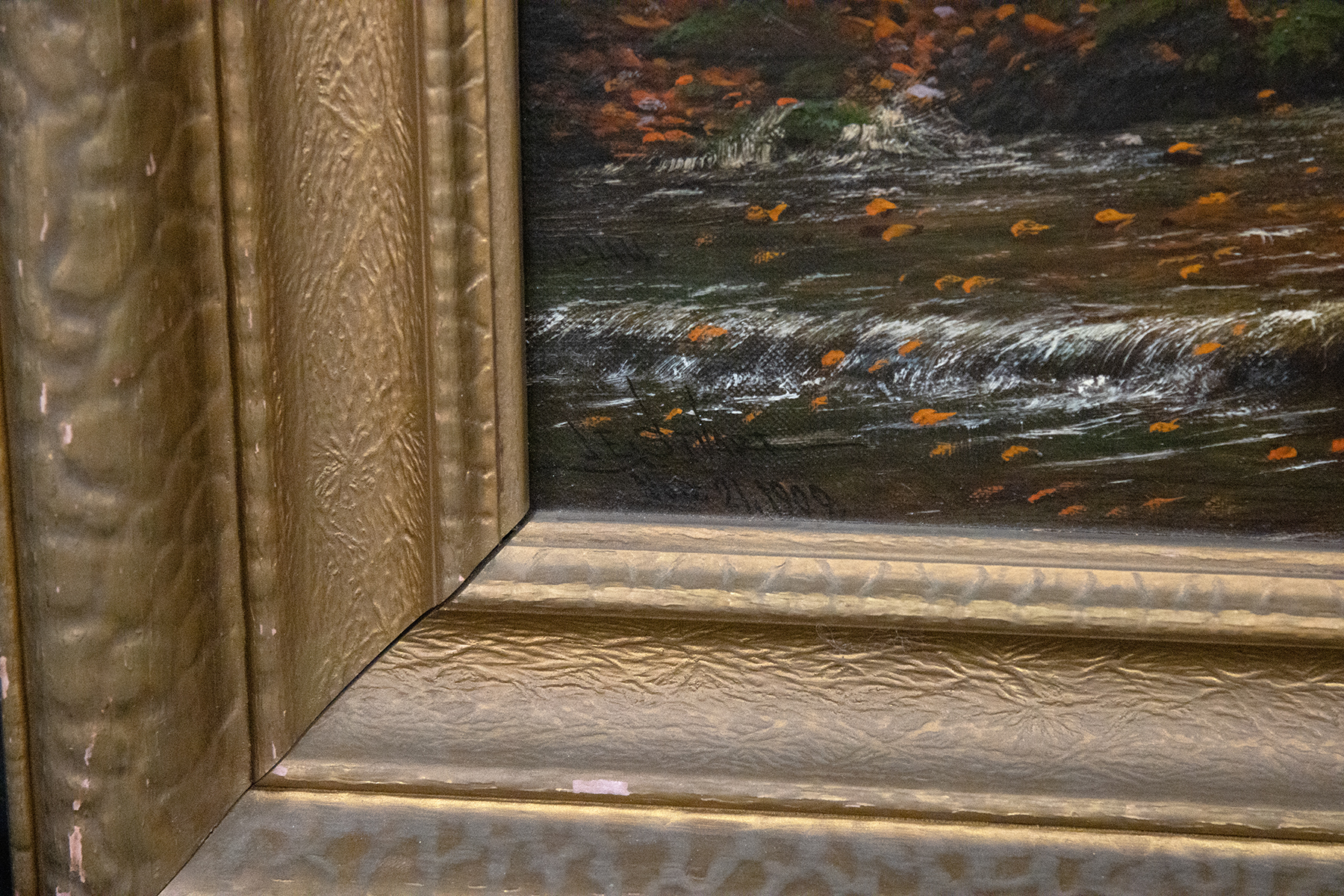
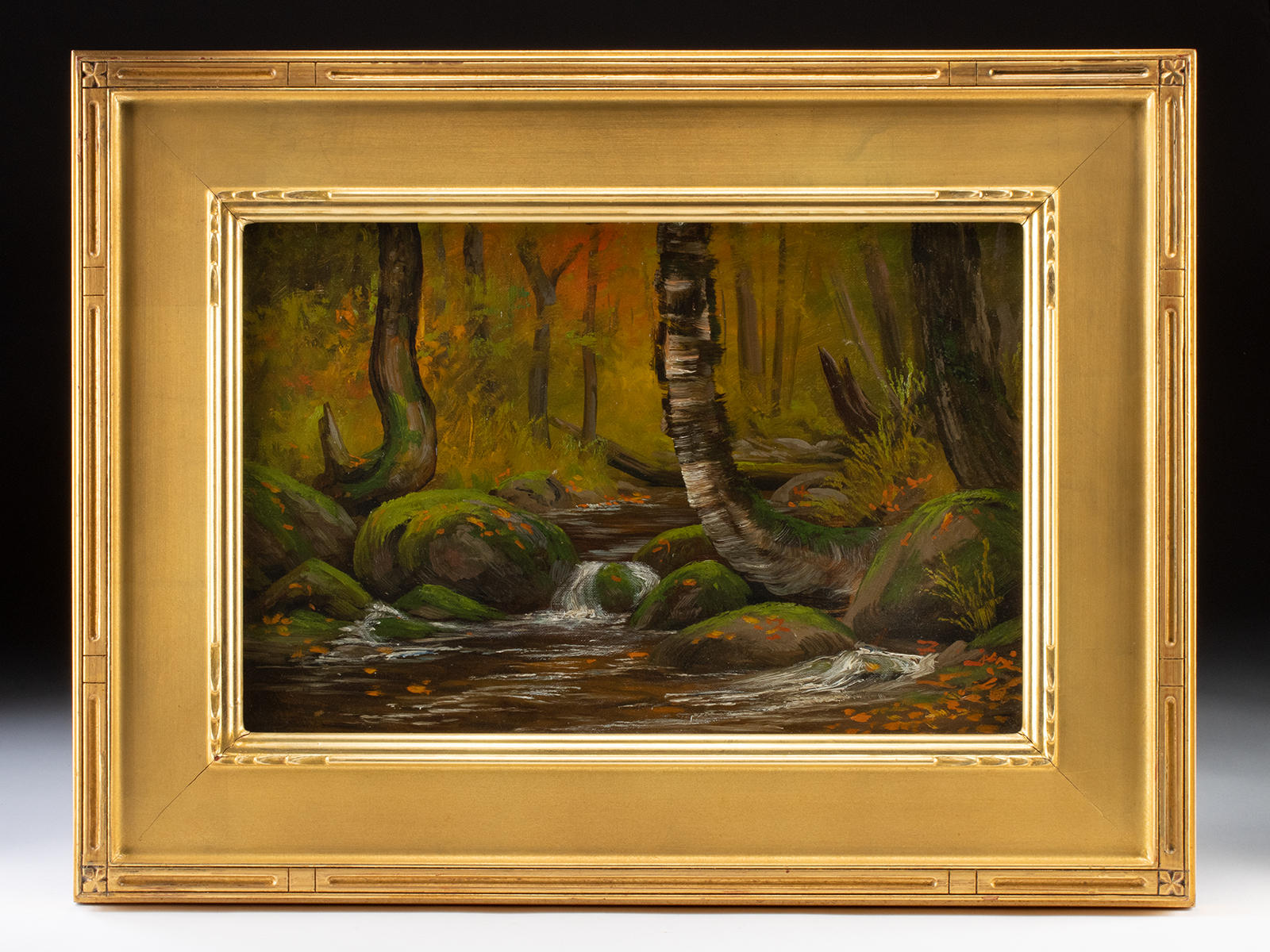
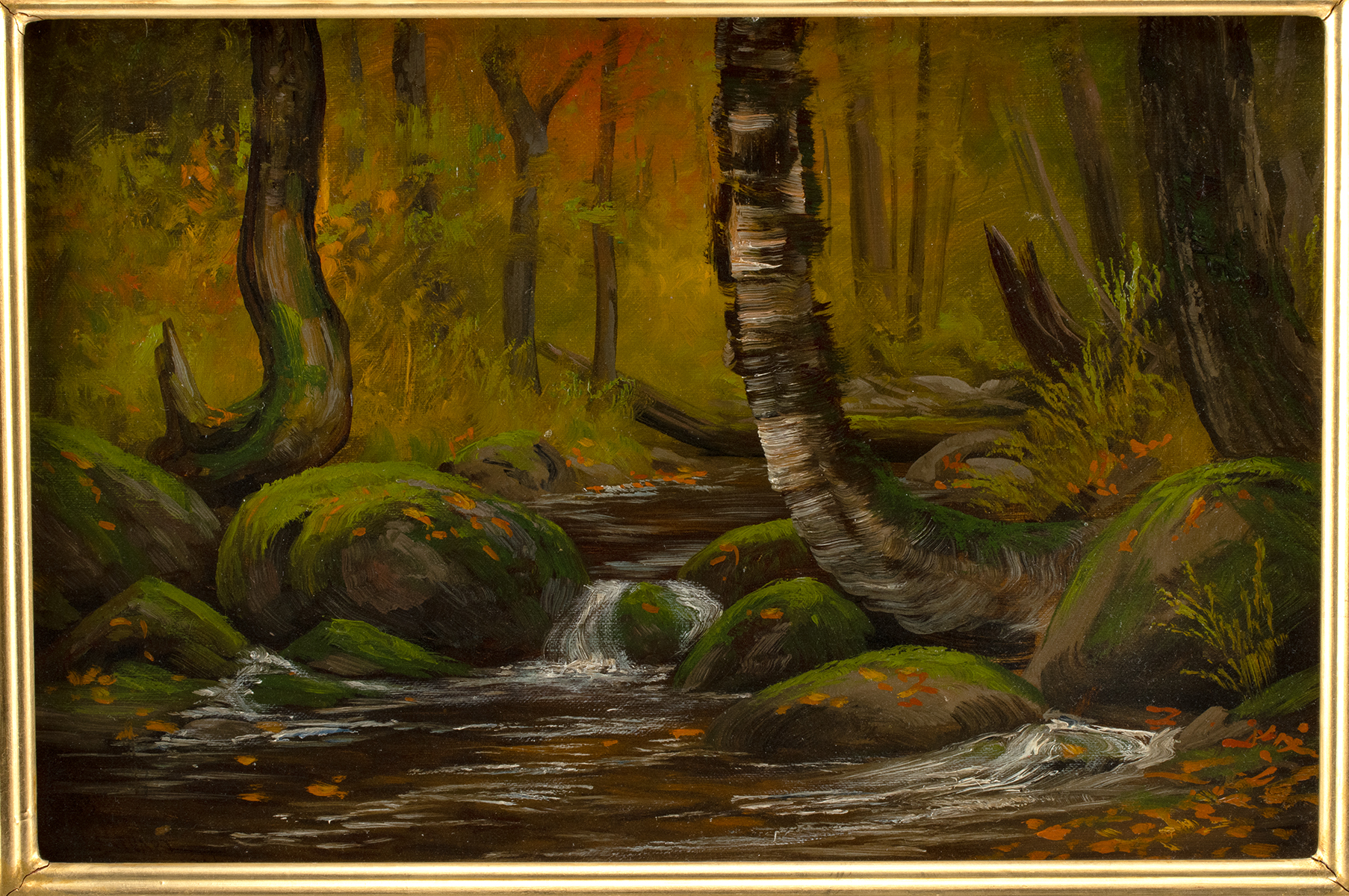
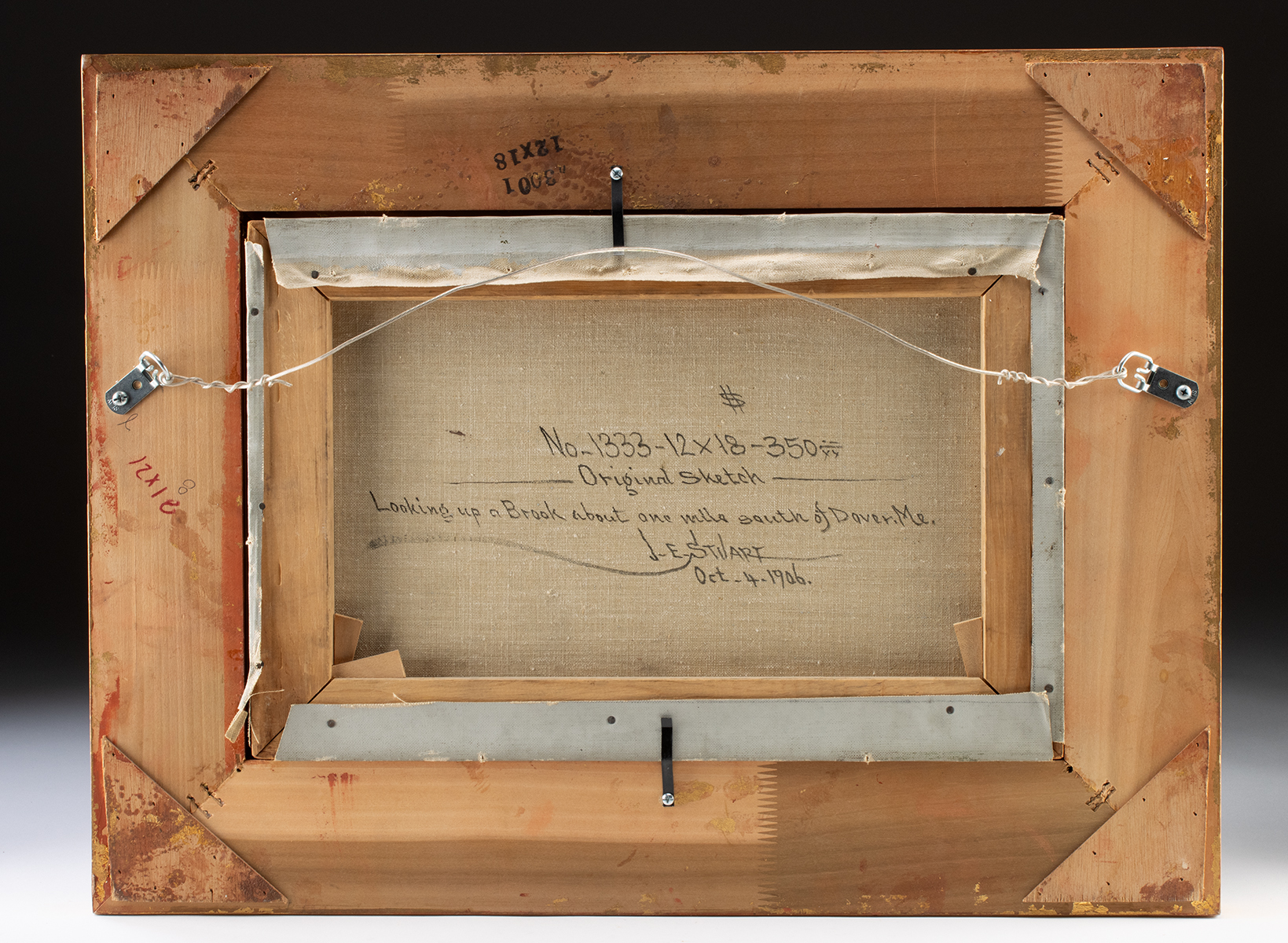
James Everett Stuart (American, 1852-1941). “Looking Up a Brook About One Mile South of Dover, Maine” oil on canvas, 1906. Signed and dated at lower left and again on verso with title. A quiet brook winds through moss-covered stones and shadowed trunks in this intimate 1906 landscape, where James Everett Stuart turns from monumental western vistas to the hushed lyricism of rural Maine. Painted during a return visit to his native state, the scene captures a wooded stream just south of Dover, rendered with an attention to atmosphere that reveals the artist’s lifelong devotion to place. The composition draws the eye inward along the shallow current, which slips between rounded boulders softened by deep green moss. A slender birch leans toward the water at center, its pale bark catching stray light amid the darker verticals of surrounding trees. Size of painting: 17.5″ W x 11.5″ H (44.4 cm x 29.2 cm); of frame: 25″ W x 19″ H (63.5 cm x 48.3 cm)
Stuart builds the forest in layered passages of warm amber, olive, and umber, suggesting filtered autumn light beyond the immediate shade. Small touches of red and orange foliage scatter across the rocks and drift along the stream, punctuating the subdued palette with quiet sparks of color.
Unlike the expansive panoramas that defined much of his western work, this painting is modest in scale and contemplative in mood. The viewpoint is low and close, as if the artist has paused at the water’s edge. The handling of paint is confident yet restrained, with smooth transitions in the water and more expressive strokes describing bark and moss. The brook’s gentle movement contrasts with the stillness of the surrounding woods, creating a subtle tension between motion and repose.
Executed in 1906, the work belongs to a period when Stuart, long associated with scenes of the Pacific Northwest and beyond, revisited the landscapes of his youth. Here, grandeur gives way to intimacy. The painting does not proclaim the sublime; instead, it invites quiet observation, offering a meditation on light, texture, and the enduring presence of the Maine woods.
About the artist: James Everett Stuart, born March 24, 1852, in rural Maine, grew into one of the most prolific interpreters of the American West. Over a career that spanned more than sixty years, he created thousands of paintings and drawings, many of which he carefully numbered and dated, reflecting both discipline and ambition. Though long based in San Francisco, he maintained studios in Portland, New York, and Chicago at various points, cultivating collectors across the United States.
Stuart spent his childhood moving west with his family. After early years in Maine, he relocated to California, where his father served as a Methodist minister. Flooding and frontier instability shaped his youth, but they also placed him within the vast landscapes that would define his art. As a young man in Sacramento, he studied under painter David Holmes Woods before enrolling at the San Francisco School of Design. There he trained with prominent landscape artists, absorbing the tonal sensitivity and compositional structure associated with West Coast painting in the late nineteenth century.
In the 1870s, Stuart traveled north to Oregon, forming a lasting association with photographer Peter Britt. Sketching expeditions to places such as Crater Lake and Mount Shasta provided subjects for his early mature works and helped establish his reputation. By the early 1880s he had opened a studio in Portland, producing views of the Pacific Northwest that appealed to a growing audience interested in western scenery.
The mid-1880s brought Stuart to New York, where he encountered major figures of American landscape painting, including Thomas Moran, Albert Bierstadt, and George Inness. During this period he made multiple trips to Yellowstone National Park, creating detailed studies of geysers, waterfalls, and dramatic geological formations. Some of these journeys were supported by railroad interests eager to promote western travel. His Yellowstone canvases reflect the era’s belief in the spiritual grandeur of untouched nature, aligning him with broader currents in American landscape art.
In the 1890s Stuart turned his attention further north, traveling several times to Alaska. There he painted glaciers, coastal mountains, and Native villages, particularly in and around Sitka. While his depictions of Indigenous communities followed conventions common in nineteenth century American art, they also expanded his subject matter beyond strictly monumental landscapes.
After time spent in Tacoma, he settled in Chicago for two decades, maintaining a Michigan Avenue studio and producing views of Midwestern parks and lakes. Around the turn of the century, he experimented with painting on aluminum, believing the surface to be especially durable, though some works later revealed the material’s limitations.
Stuart returned permanently to San Francisco in 1912. His later paintings often revisited Yosemite and the Sacramento Valley, executed with freer brushwork and stronger color contrasts than his earlier work. Despite earlier success, his final years were financially challenging, and he struggled to sell the large body of work he had amassed. He died in his San Francisco studio on January 2, 1941, at the age of eighty-eight.
Today, Stuart’s paintings are preserved in numerous public collections across the United States, reflecting his long engagement with the landscapes of California, the Pacific Northwest, Yellowstone, and Alaska.
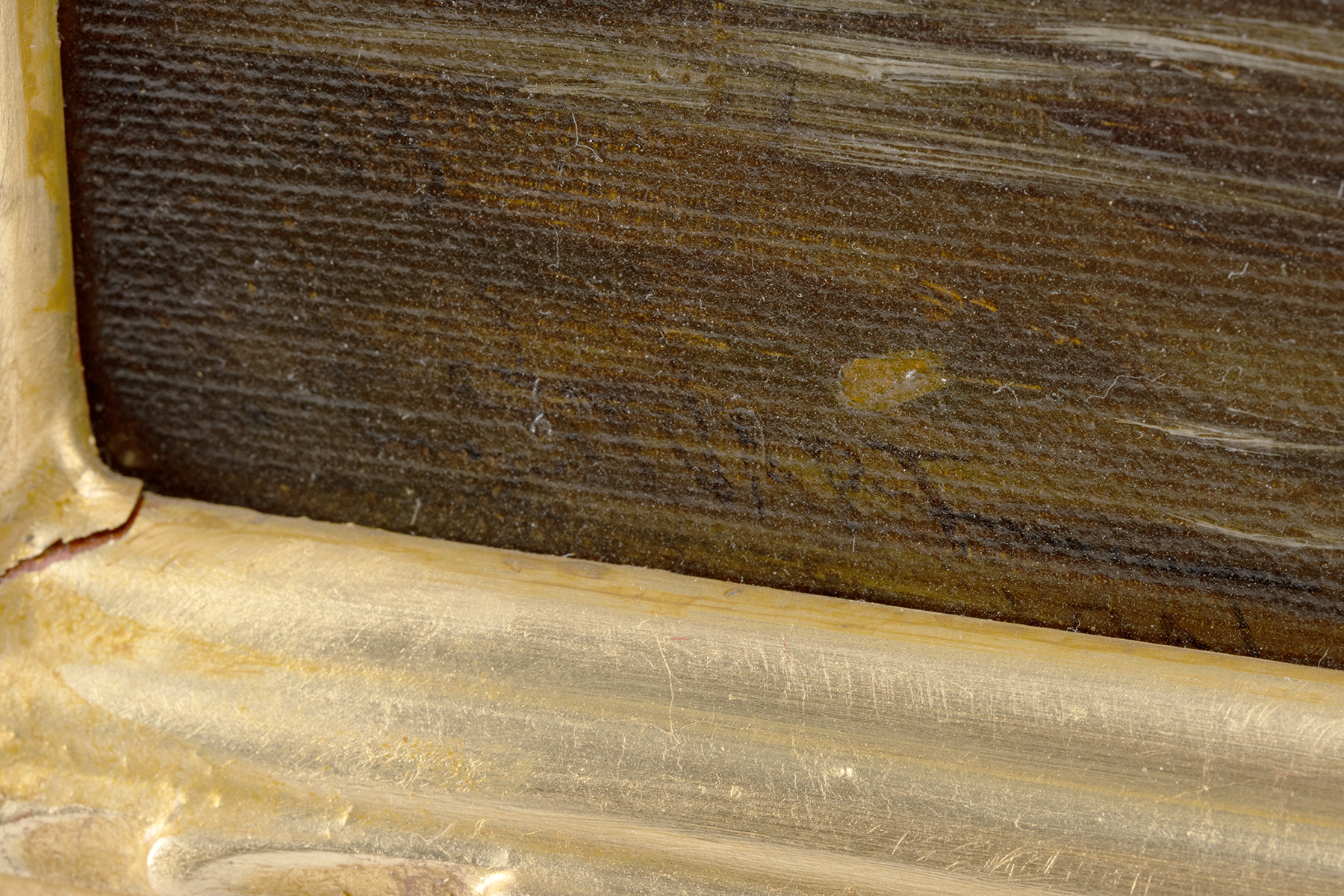
Condition: Mounted in custom frame with suspension wire on verso for display. Some splitting to corners of frame and small nicks in areas; none of which affects painting. Painting is in excellent overall condition with slight darkening in lower left corner where signature and date are located. Signed, dated, and titled on verso.
Provenance: private Coeur d’Alene, Idaho, USA collection; ex-D.R. Evick, Stockton, California, USA
All items legal to buy/sell under U.S. Statute covering cultural patrimony Code 2600, CHAPTER 14, and are guaranteed to be as described or your money back.
A Certificate of Authenticity will accompany all purchases.
We ship worldwide and handle all shipping in-house for your convenience.
Related Products
-


Lot 235, Auction 4/3/2026: James E. Stewart Painting “Autumn Tints” (1909)
Add to cart -

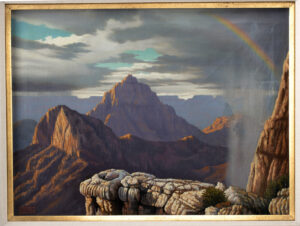
Lot 233, Auction 4/3/2026: Franklin Moody Painting – Storm’s Passing, Grand Canyon
Add to cart -


Lot 227b, Auction 4/3/2026: Two 19th C Italian Silver Devotional Feathers
Add to cart -


Lot 227, Auction 4/3/2026: 19th C. Gilt & Silvered Three-Handed Mother of God Icon
Add to cart -


Lot 226, Auction 4/3/2026: 18th C. Russian Silvered Icon – “The Unexpected Joy”
Add to cart -


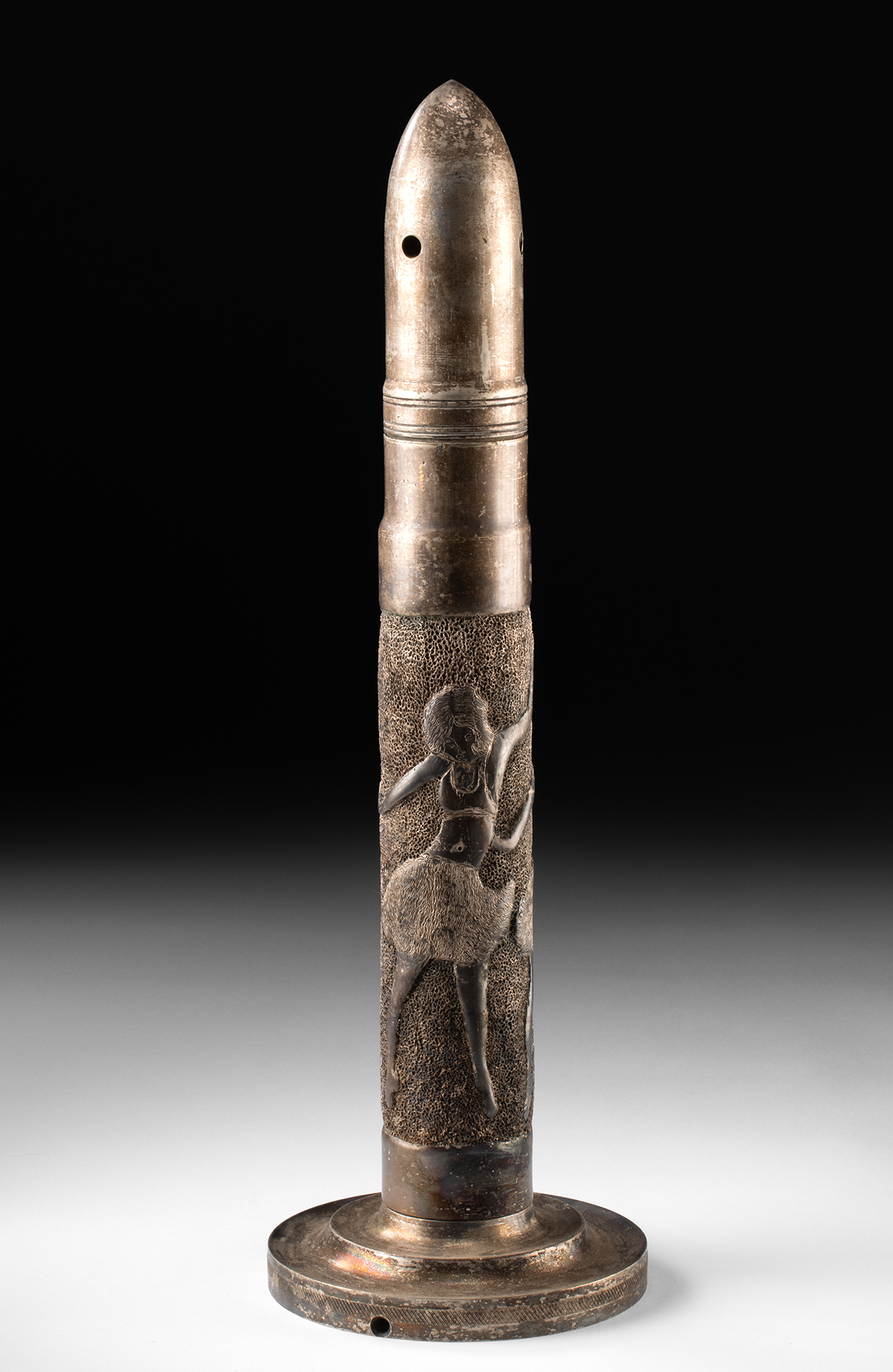
Lot 221, Auction 4/3/2026: WWI Silver-Plated Shell Trench Art – Dancers
Add to cart -


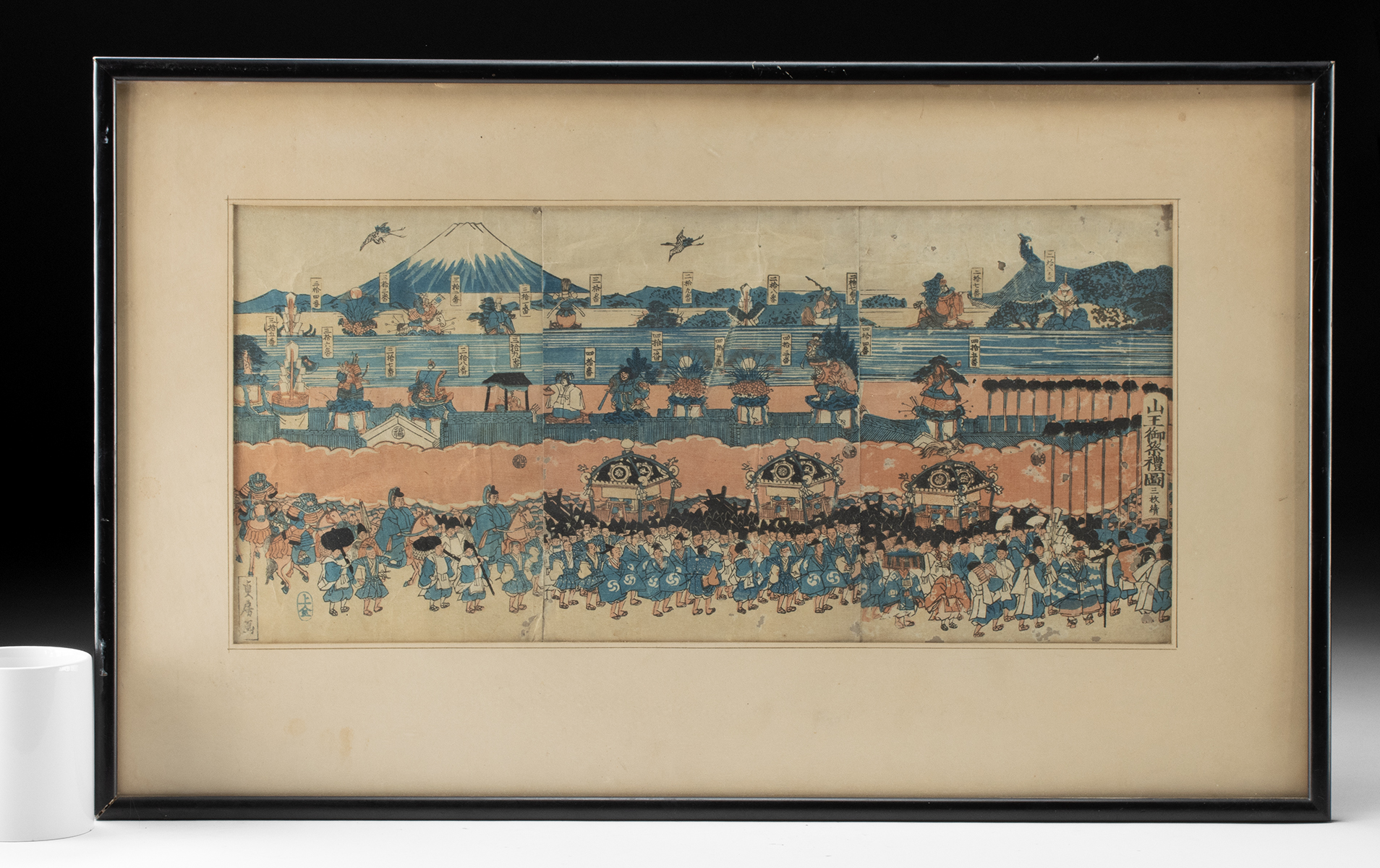
Lot 184, Auction 4/3/2026: Japanese Ukiyo-e Print Triptych – “Sanno Festival”
Add to cart -


Lot 161d, Auction 4/3/2026: Tibetan Gilt Thangka Silk Painting – Yellow Jambhala
Add to cart -

Lot 161c, Auction 4/3/2026: 18th C. Tibetan Thangka – Shakyamuni Buddha
Add to cart -


Lot 132, Auction 4/3/2026: Egyptian Coptic Textile Fragment – Nude Dancers & Hares
Add to cart