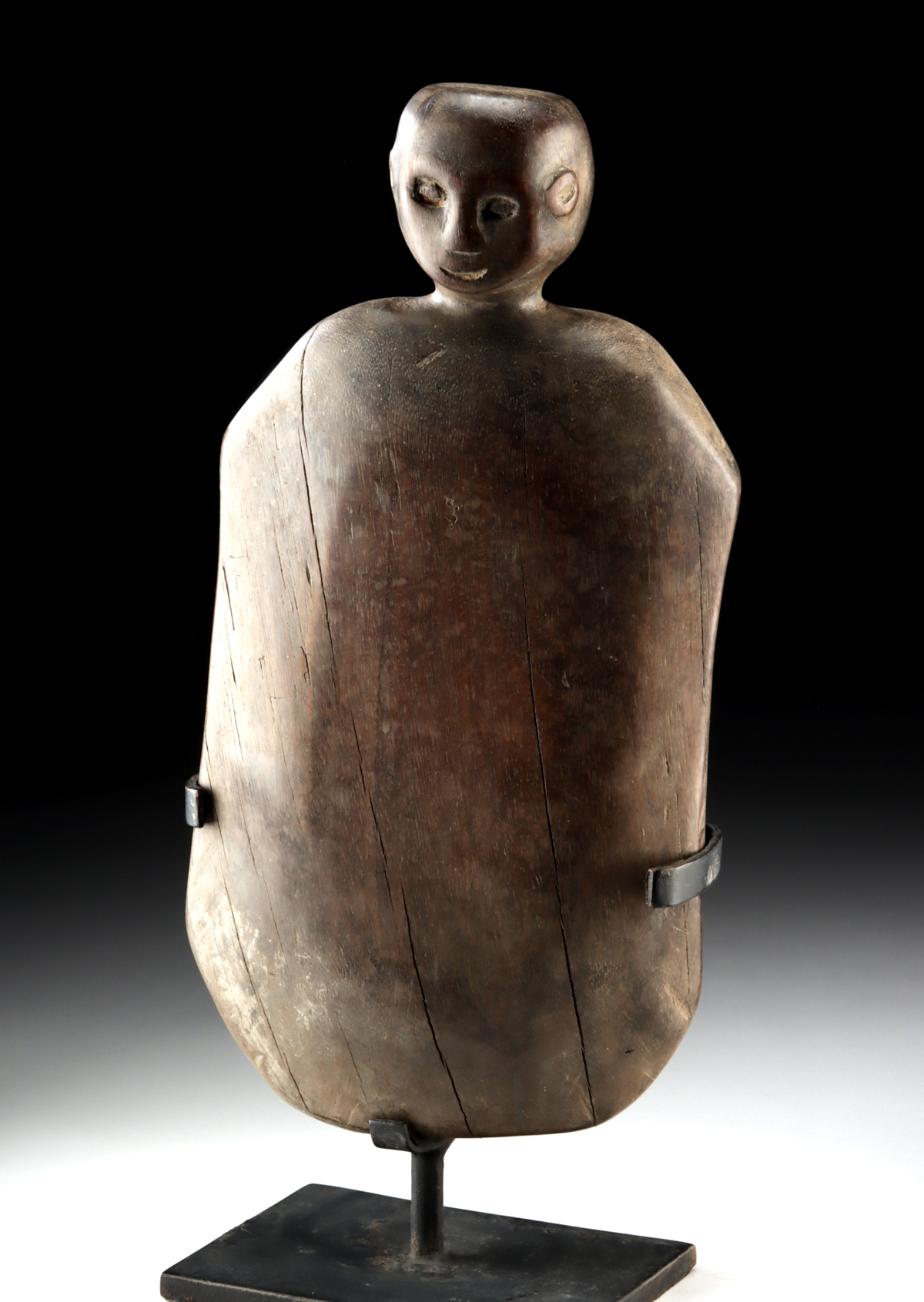
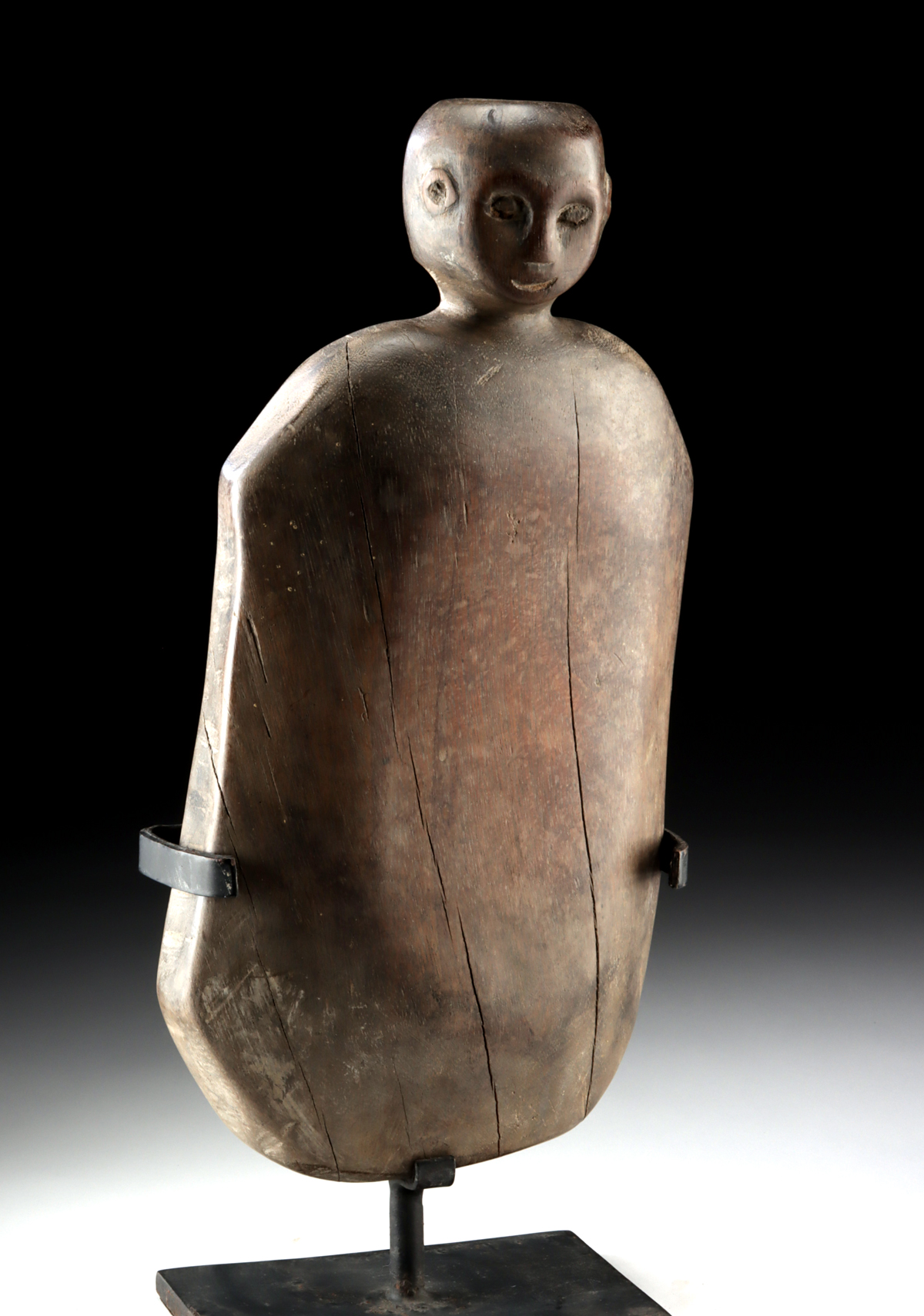
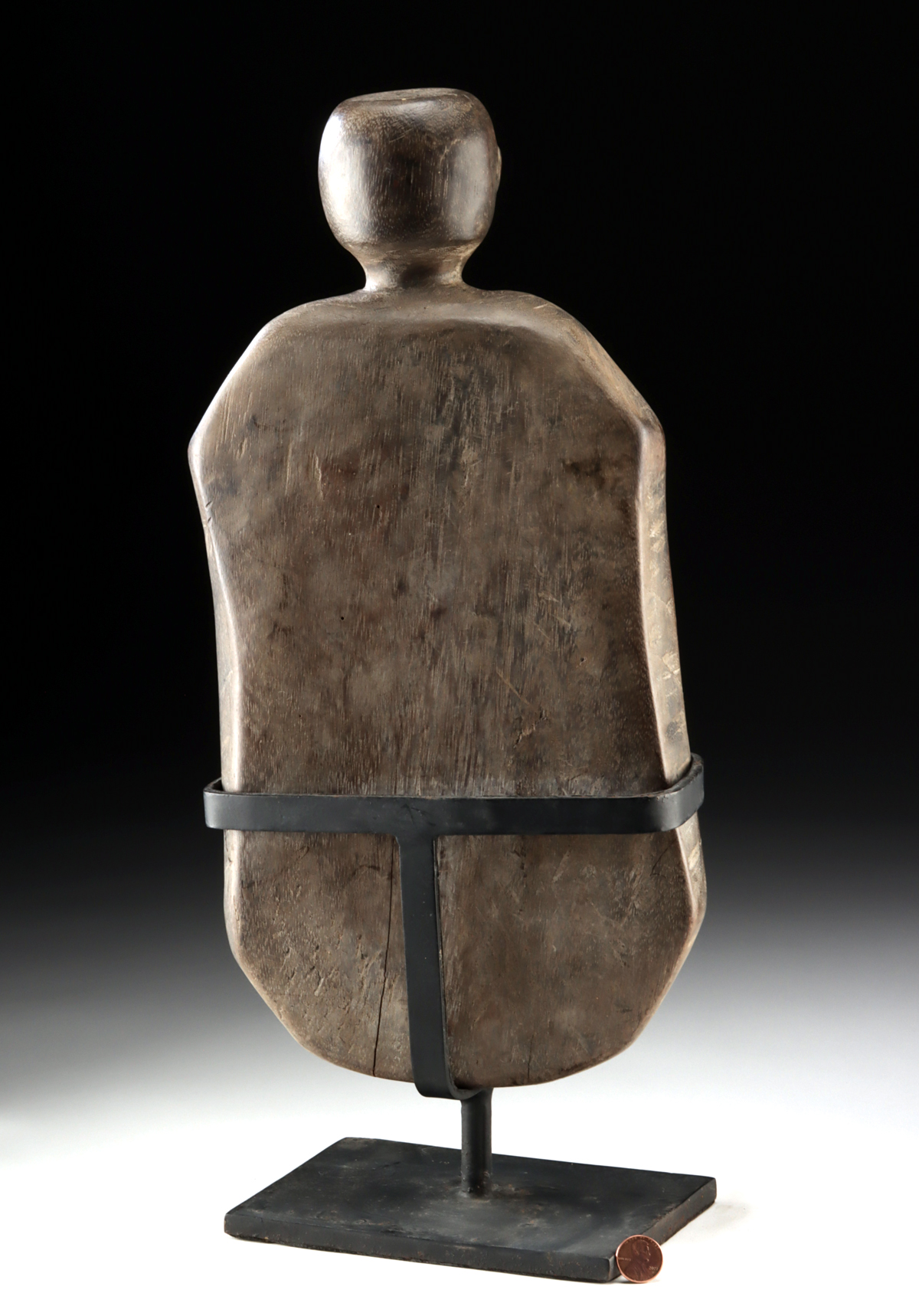
Lot 113a, Auction 4/12/2026: Indonesian Sumba Wood Kabiru Cotton Board Human Form
$325.00
In stock
Southeast Asia, Indonesia, Sumba Island, ca. 19th to early 20th century CE. A quietly powerful fusion of labor and belief, this Sumba cotton board kabiru transforms the repetitive work of textile making into a sculptural embodiment of the human presence. Carved from a single plank of dark, dense wood, the board is shaped as a simplified standing figure, with a rounded head, gently incised facial features, and a broad, tapering torso that fills the composition with grounded mass. The surface bears a smooth, timeworn patina, the result of repeated handling and rhythmic use, while natural fissures and tool marks remain visible, preserving the honesty of its making. Iron bands secured at the sides and base reinforce the form, pragmatic elements that now read as sculptural accents rather than mere repairs. Size: 7.8″ W x 15.5″ H (19.8 cm x 39.4 cm); 18″ H (45.7 cm) on included custom stand.
Such kabiru boards were traditionally used to pound and soften cotton fibers prior to spinning, an essential step in the production of handwoven textiles central to Sumbanese social life. Textiles on Sumba are not decorative afterthoughts but carriers of lineage, status, and ancestral memory, exchanged in ceremonies and life-cycle rituals. The decision to render a utilitarian implement in human form suggests that labor itself was understood as an extension of the body, and perhaps the spirit, collapsing the divide between maker and object.
The figure’s calm, inward expression and compact proportions lend it a contemplative presence, as if absorbing the cadence of work performed over generations. Removed from its original function, the kabiru now stands as a sculptural witness to Sumbanese ingenuity, where practicality and artistry coexist without hierarchy. It is an object that worked hard, aged gracefully, and still knows how to hold a room.
Condition: Some natural stable pressure fissures to wood, as well as chips, nicks, and abrasions in areas. Otherwise, intact and very nice with liberal detail and light patina.
Provenance: private Rogers, Arkansas, USA collection; ex-Bosio collection, Miami, Florida, USA, 1960-2000
All items legal to buy/sell under U.S. Statute covering cultural patrimony Code 2600, CHAPTER 14, and are guaranteed to be as described or your money back.
A Certificate of Authenticity will accompany all purchases.
We ship worldwide and handle all shipping in-house for your convenience.
Related Products
-


Lot 68b, Auction 4/12/2026: Two Moche High Quality Gold & Silver Tweezers
Add to cart -


Lot 65, Auction 4/12/2026: Costa Rican Miniature Stone Metate – Curved Leg
Add to cart -


Lot 59, Auction 4/12/2026: Ancient Mesoamerican Conical Stone Pestle Mano Tool
Add to cart -


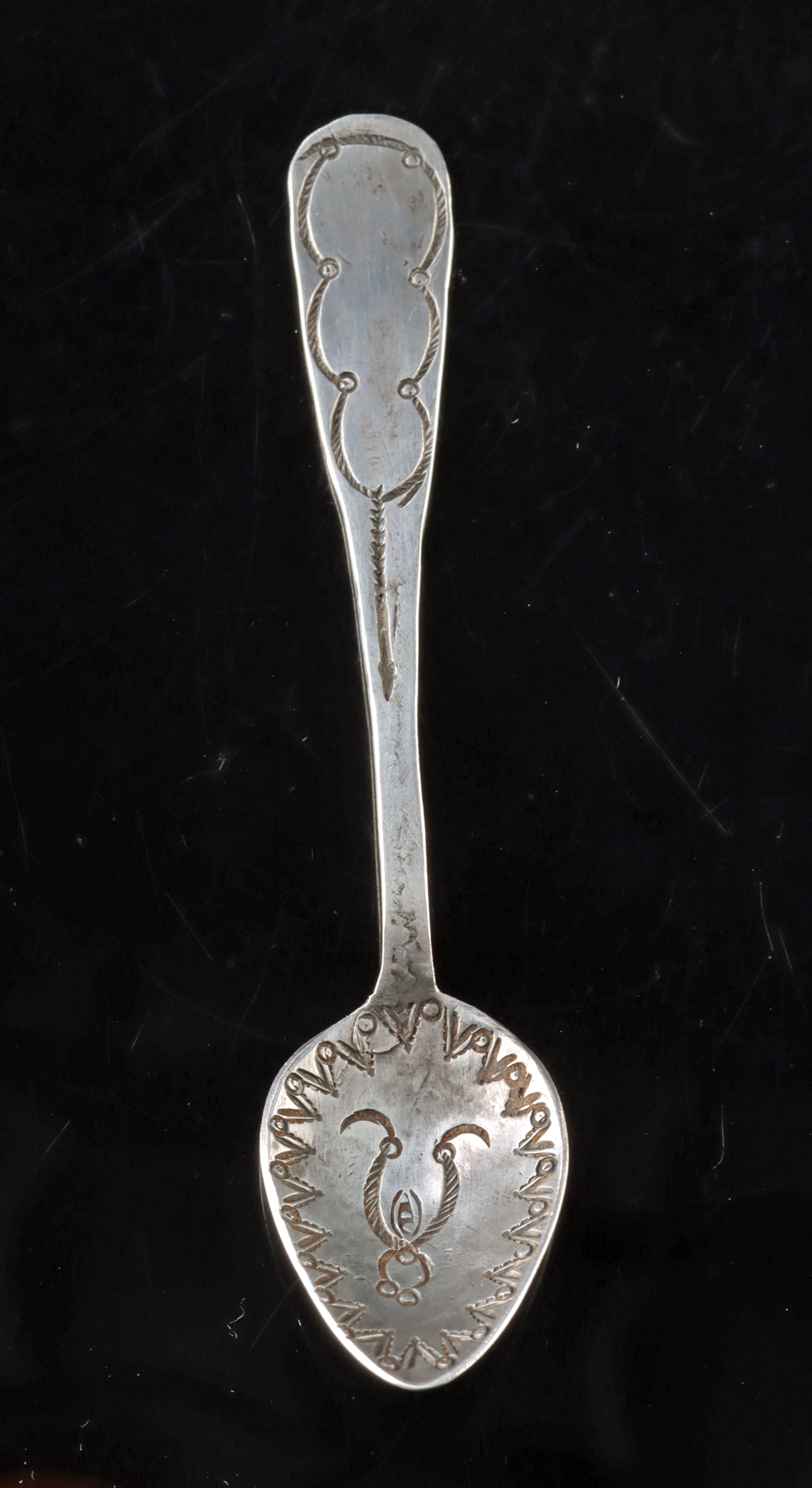
Lot 42, Auction 4/12/2026: Published 19th C. Navajo Silver Spoon & Reference Book
Add to cart -


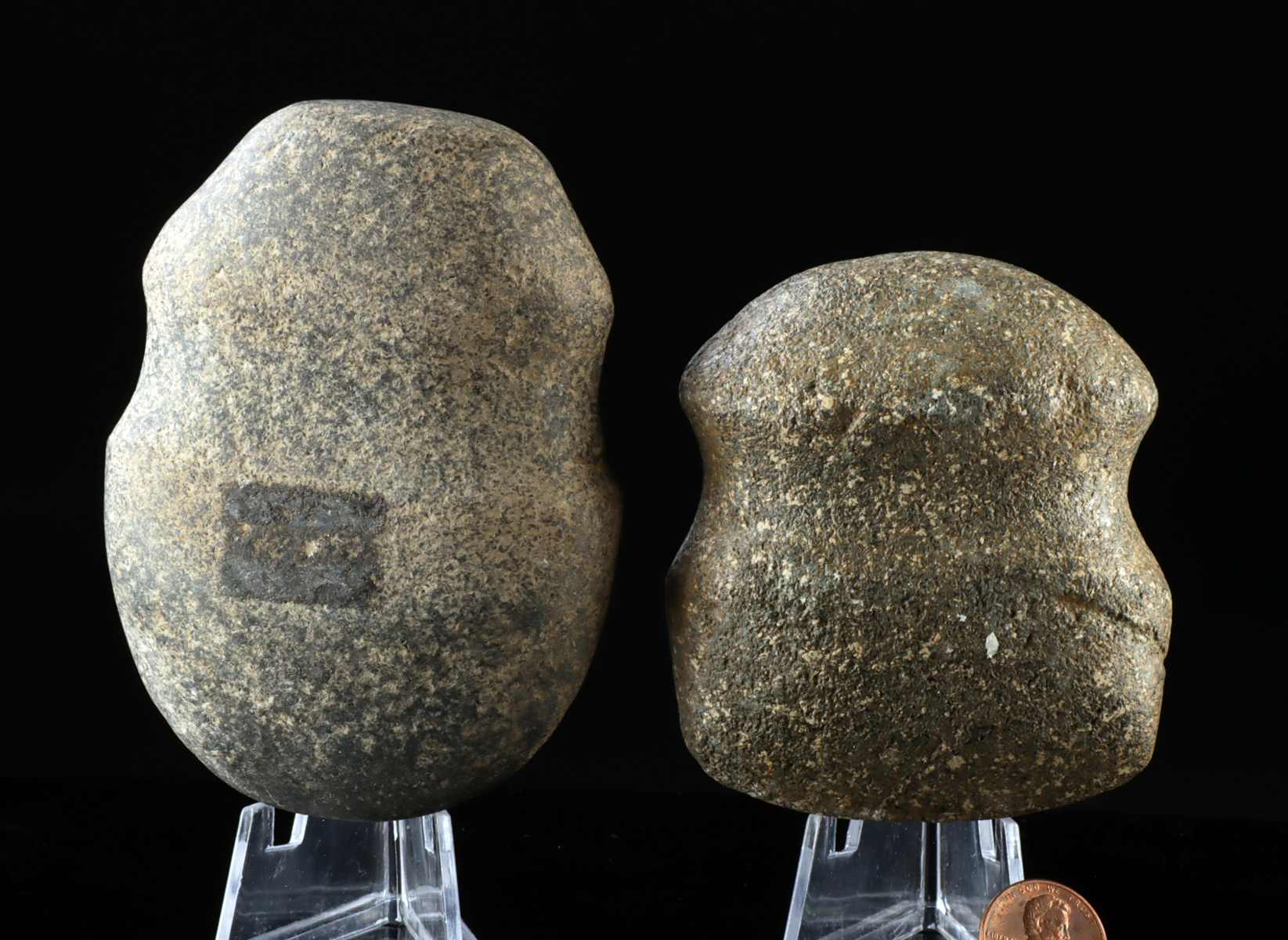
Lot 40a, Auction 4/12/2026: Two Archaic Native American Full Groove Axe Heads
Add to cart -


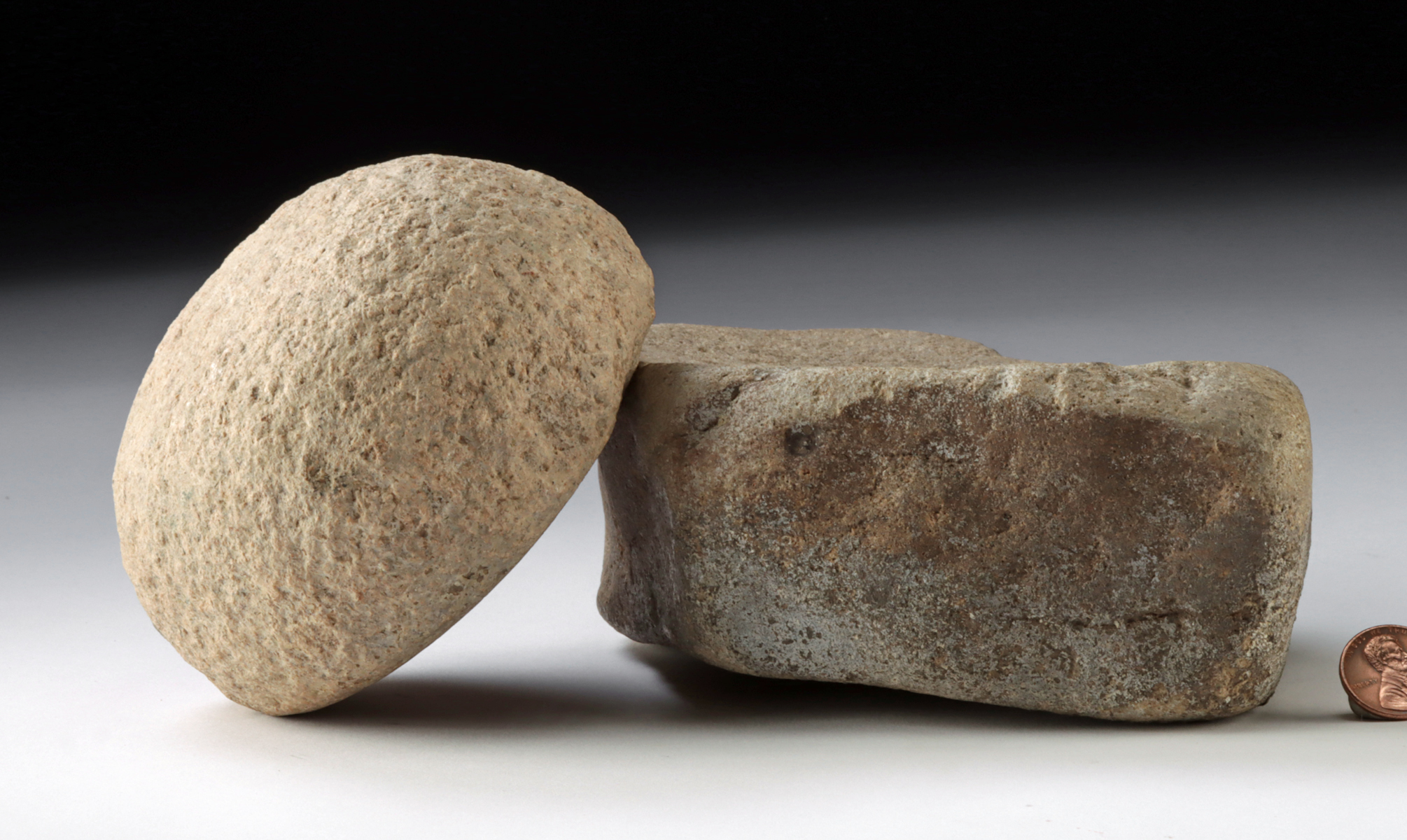
Lot 40, Auction 4/12/2026: Native American Archaic to Woodland Stone Metate & Mano
Add to cart -

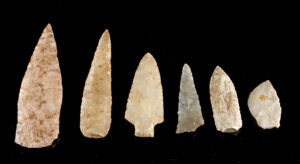
Lot 39a, Auction 4/12/2026: Six Ancient Native American Spear Points & Chert Tools
Add to cart -

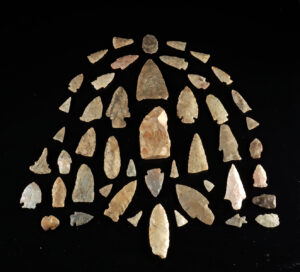
Lot 38a, Auction 4/12/2026: Native American Stone Projectile Points & Lithic Tools
Add to cart -

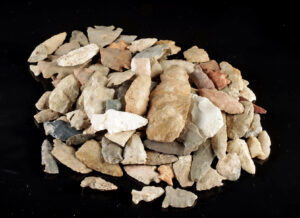
Lot 37a, Auction 4/12/2026: Native American Arrowheads & Stone Tools Collection
Add to cart -


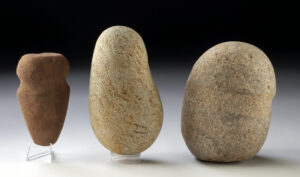
Lot 37, Auction 4/12/2026: Native American Archaic Stone Tools, Hammerstones & Axe
Add to cart