- You cannot add another "Crystals: Quartz Points, Geode, Pyrite & Stilbite (Auction 2026-06-05, Lot 136)" to your cart. View cart
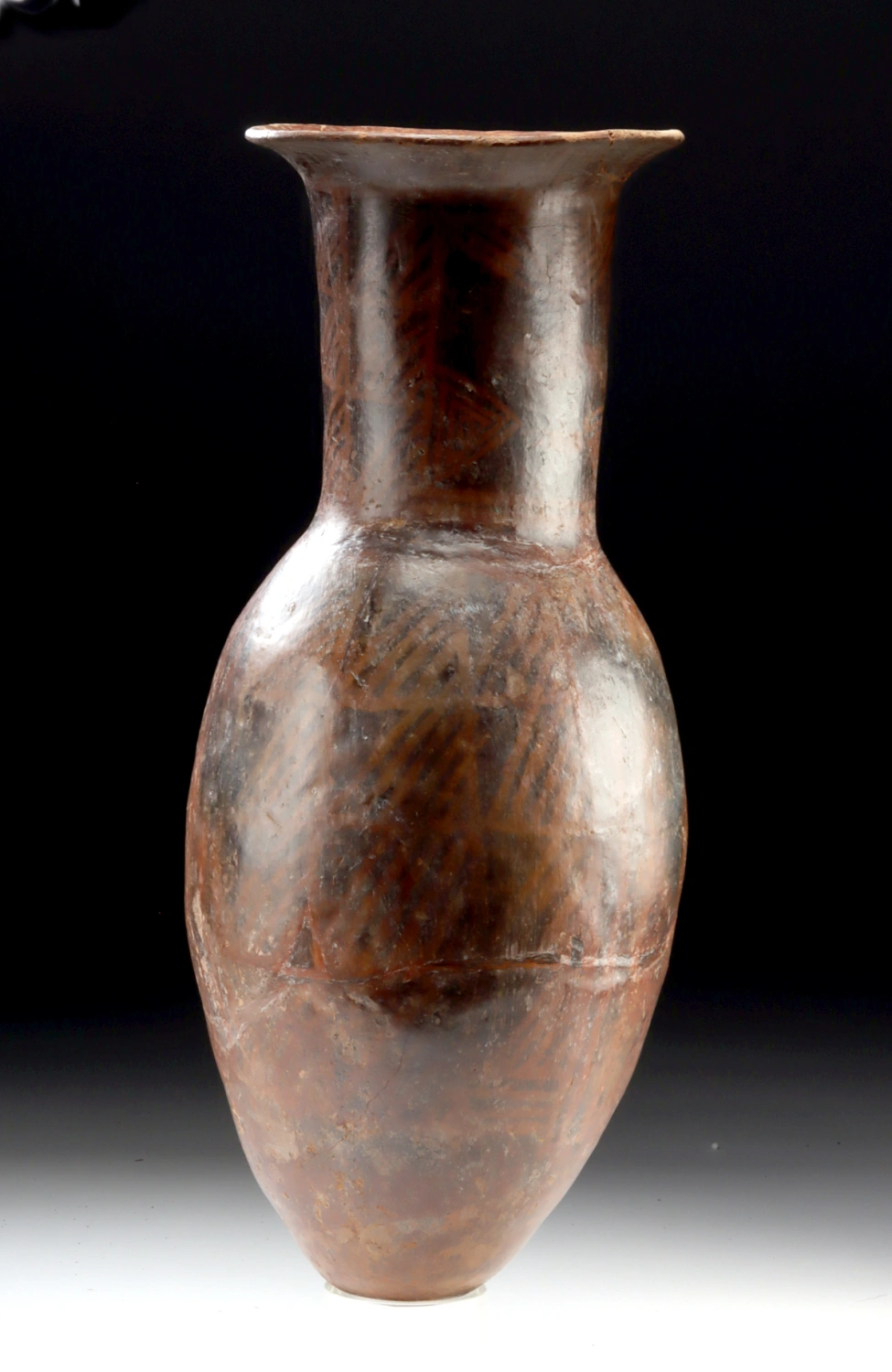
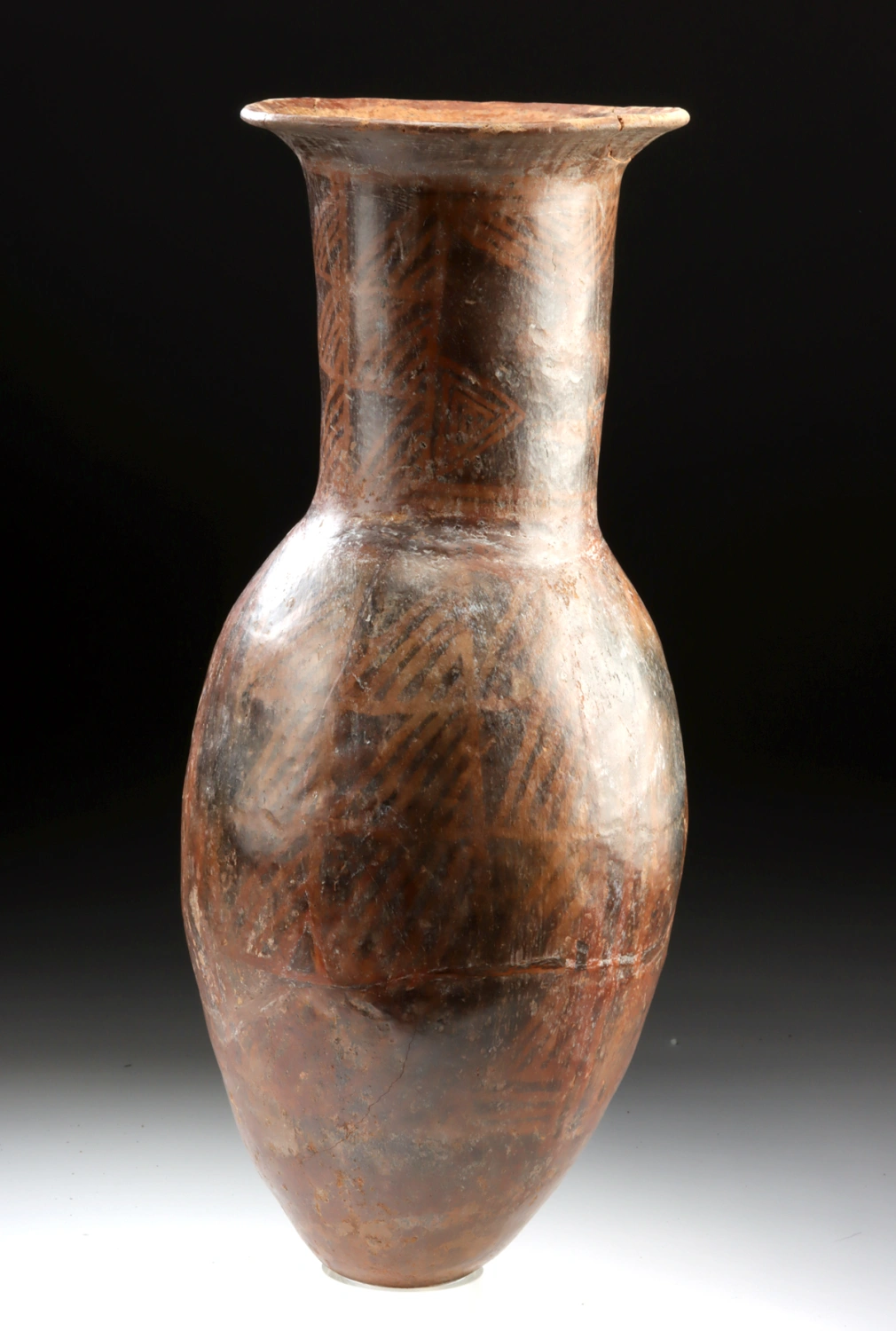
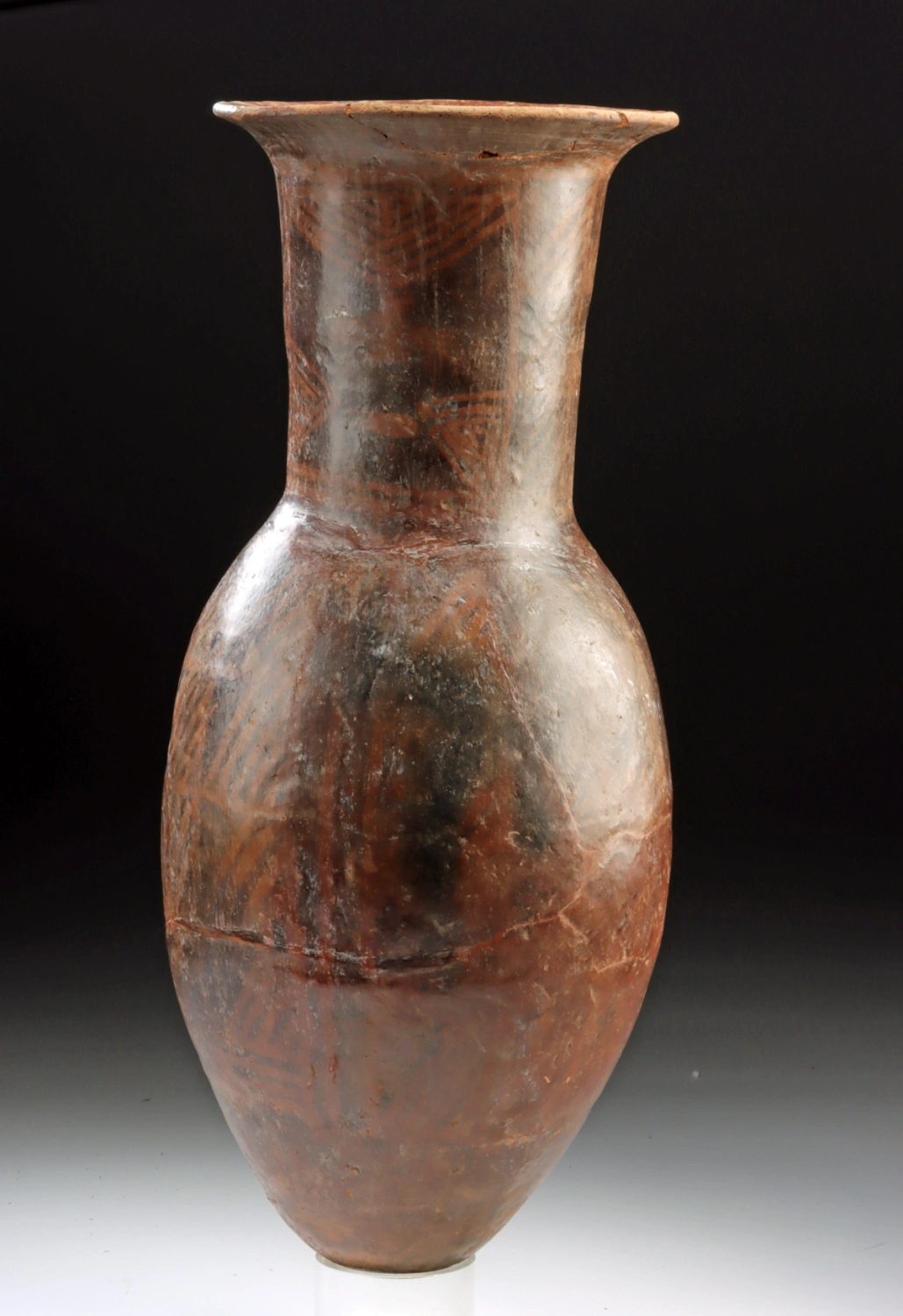
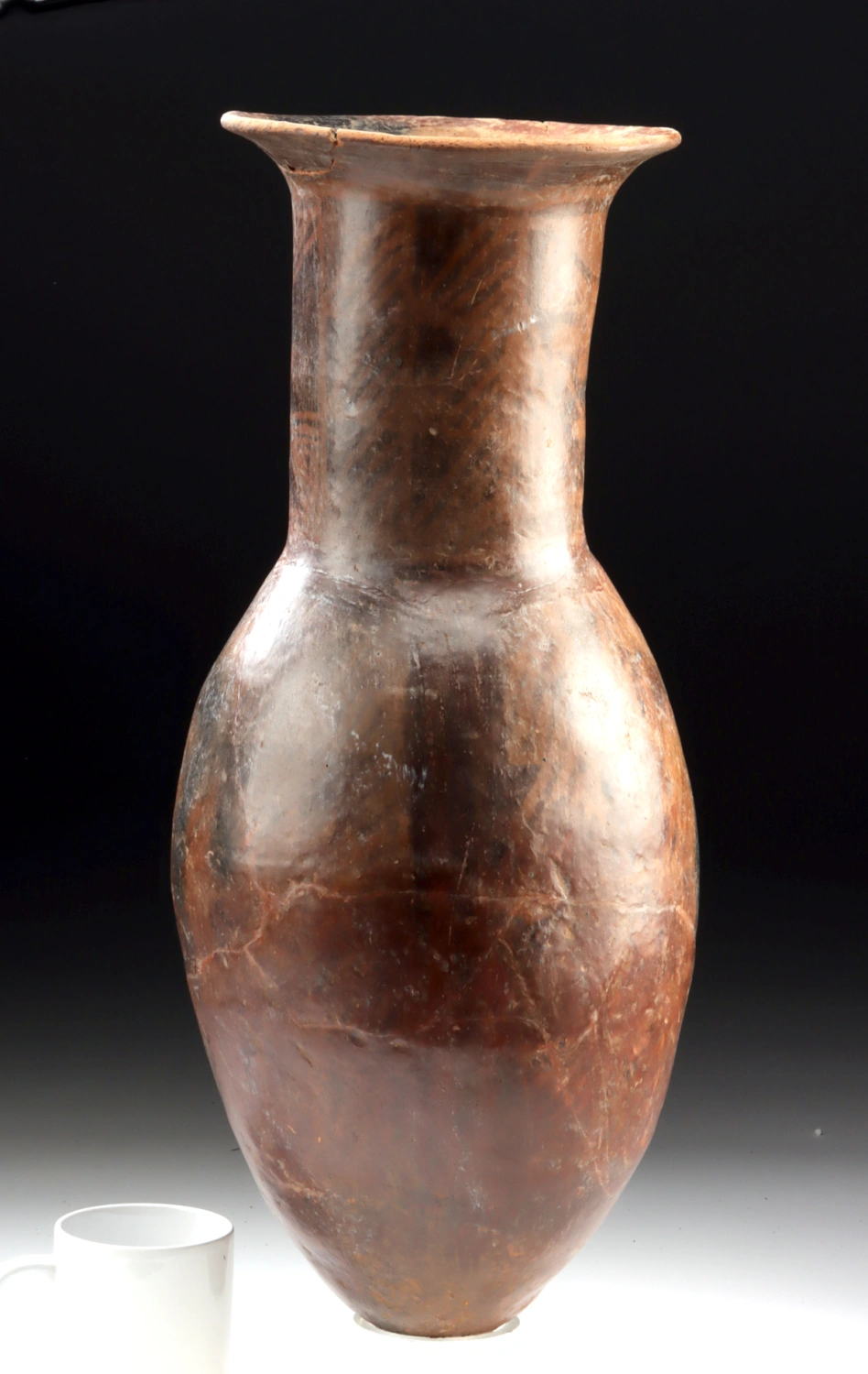
Large Narino Pottery Bullet Amphora w/ Geometric Motifs (Auction 2026-06-05, Lot 80A)
$385.50
Pre-Columbian, Colombia, Narino culture, ca. 750 to 1250 CE. A commanding Narino pottery amphora distinguished by its elegant bullet form and richly layered negative resist decoration, an object that balances sculptural restraint with complex surface design. The vessel rises from a narrow base into a full, rounded body before tapering into a tall neck and gently flared rim, creating a silhouette that is both poised and authoritative. The surface is animated by negative resist motifs rendered in warm earthen tones of reddish brown, black, and smoky gray. Angular and geometric patterns emerge through the resist process, in which areas were protected before firing to produce crisp, contrasting designs. These motifs appear to shift subtly as the vessel turns, suggesting movement and intentional visual rhythm rather than static ornament. Size: 9.3″ Diameter x 21.8″ H (23.6 cm x 55.4 cm)
Narino potters were masters of technical experimentation, and negative resist decoration represents one of the most sophisticated ceramic traditions of ancient Colombia. Such vessels were likely used in ceremonial or high-status contexts, possibly associated with food, drink, or ritual offerings, where both form and surface carried symbolic weight.
The surface bears gentle abrasions, firing clouds, and areas of soft mineral encrustation consistent with age and burial, lending the amphora a quietly luminous patina. Together, form, technique, and decoration place this vessel firmly within the Narino ceramic tradition, offering a refined example of Pre-Columbian artistry where technical mastery and visual clarity meet enduring presence.
Provenance: private Colorado, USA collection; ex-private Los Angeles, California, USA collection; ex-major gallery, Beverly Hills, California, USA, primarily acquired between 1985 and 2005
Condition: Fair. Professionally repaired with chipping along some visible break lines and restoration and repainting over other break lines. Surface wear as shown with expected nicks and abrasions commensurate with age. Otherwise, nice presentation with liberal remains of negative resist decoration.
Related Products
-


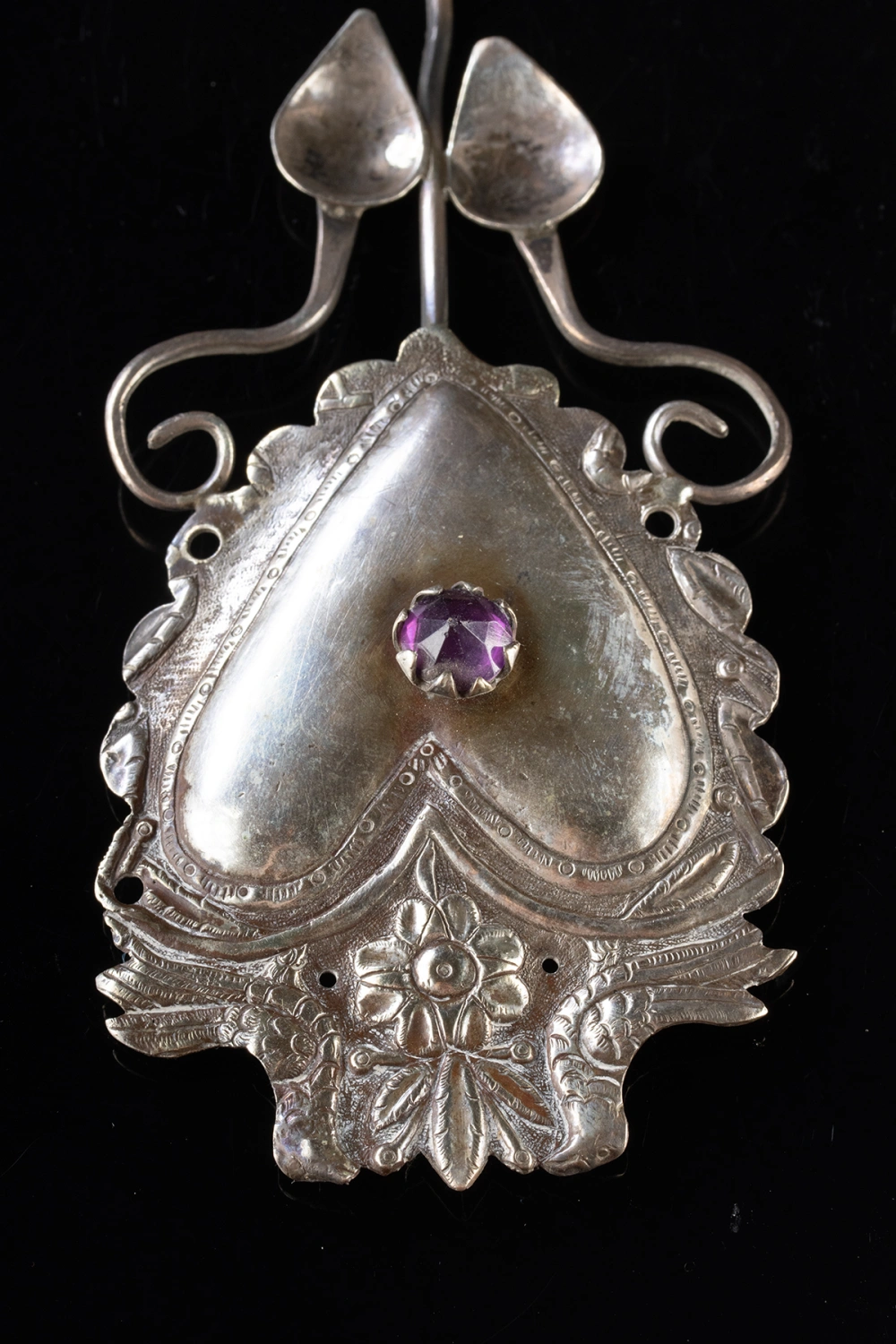
Two Andean Silver Tupu Pins, Heart Shaped & Fish Charm (Auction 2026-06-05, Lot 248)
Add to cart -


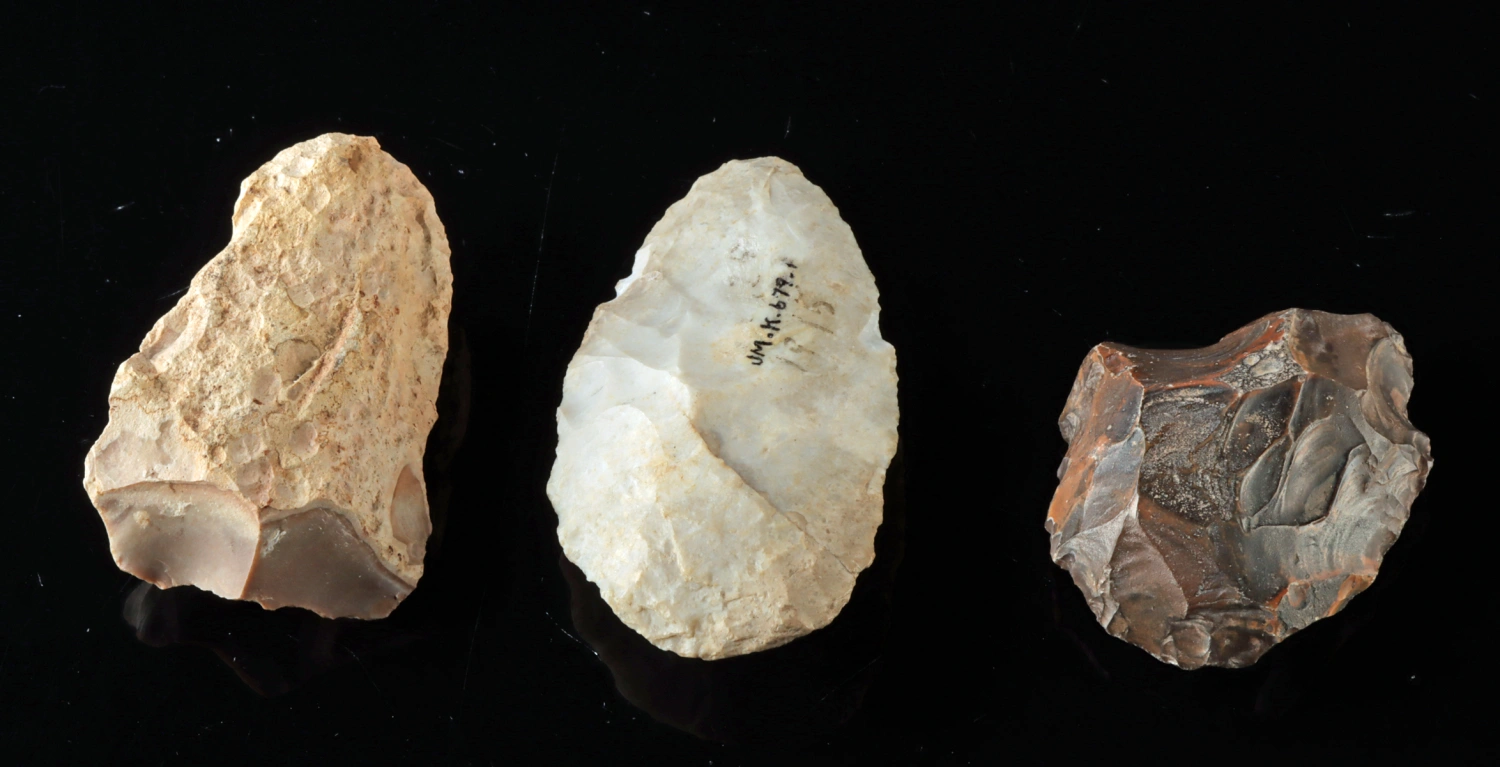
Three Prehistoric French Neolithic Stone Tools (Auction 2026-06-05, Lot 174)
Add to cart -


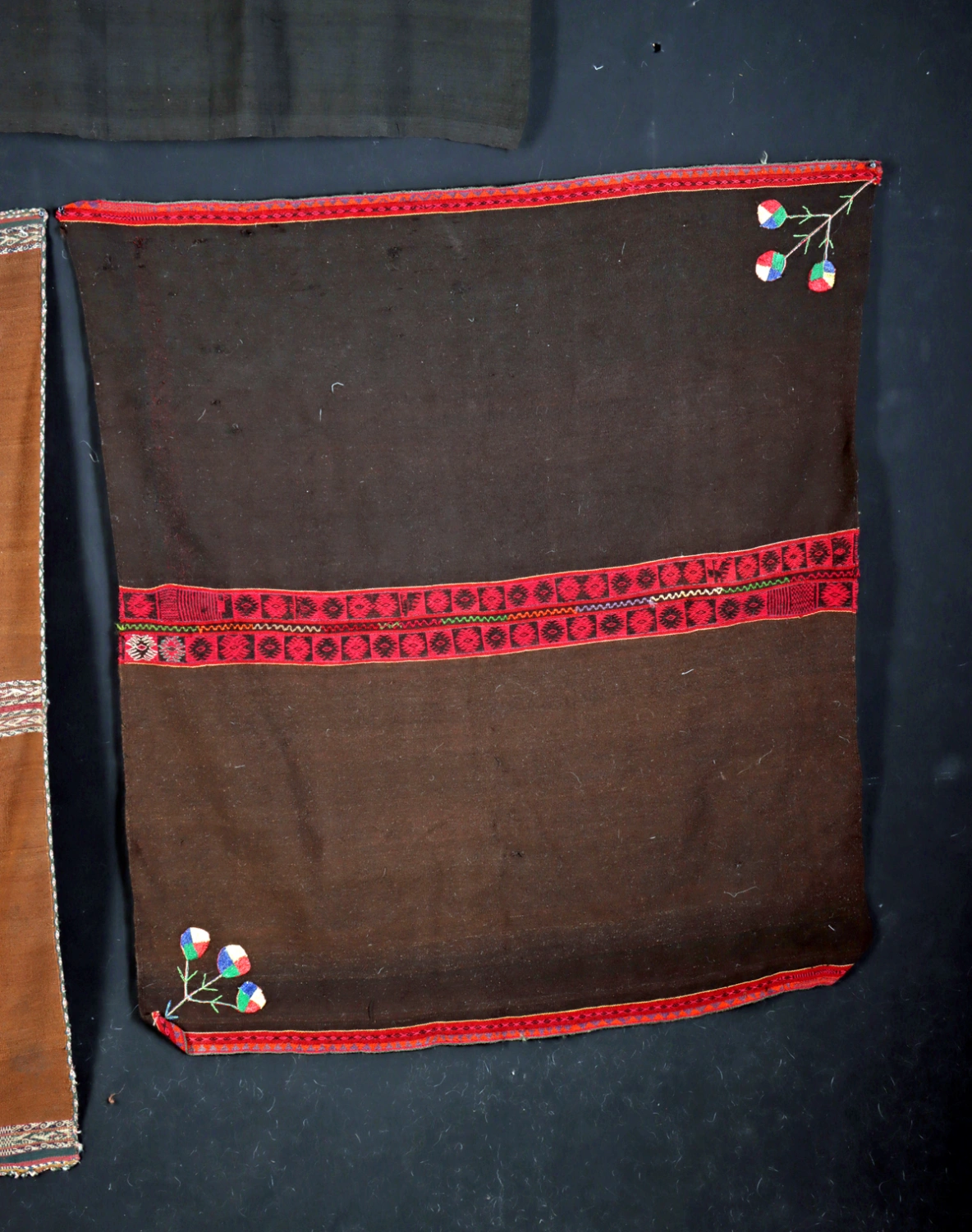
Three Peru / Bolivia Handwoven Wool Women’s Mantles (Auction 2026-06-05, Lot 247)
Add to cart -


Sterling Silver & Coral Bead Pendant (Auction 2026-06-05, Lot 145)
Add to cart -


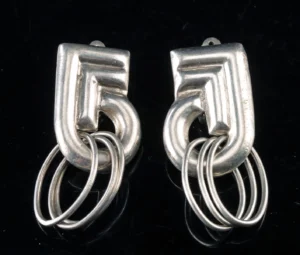
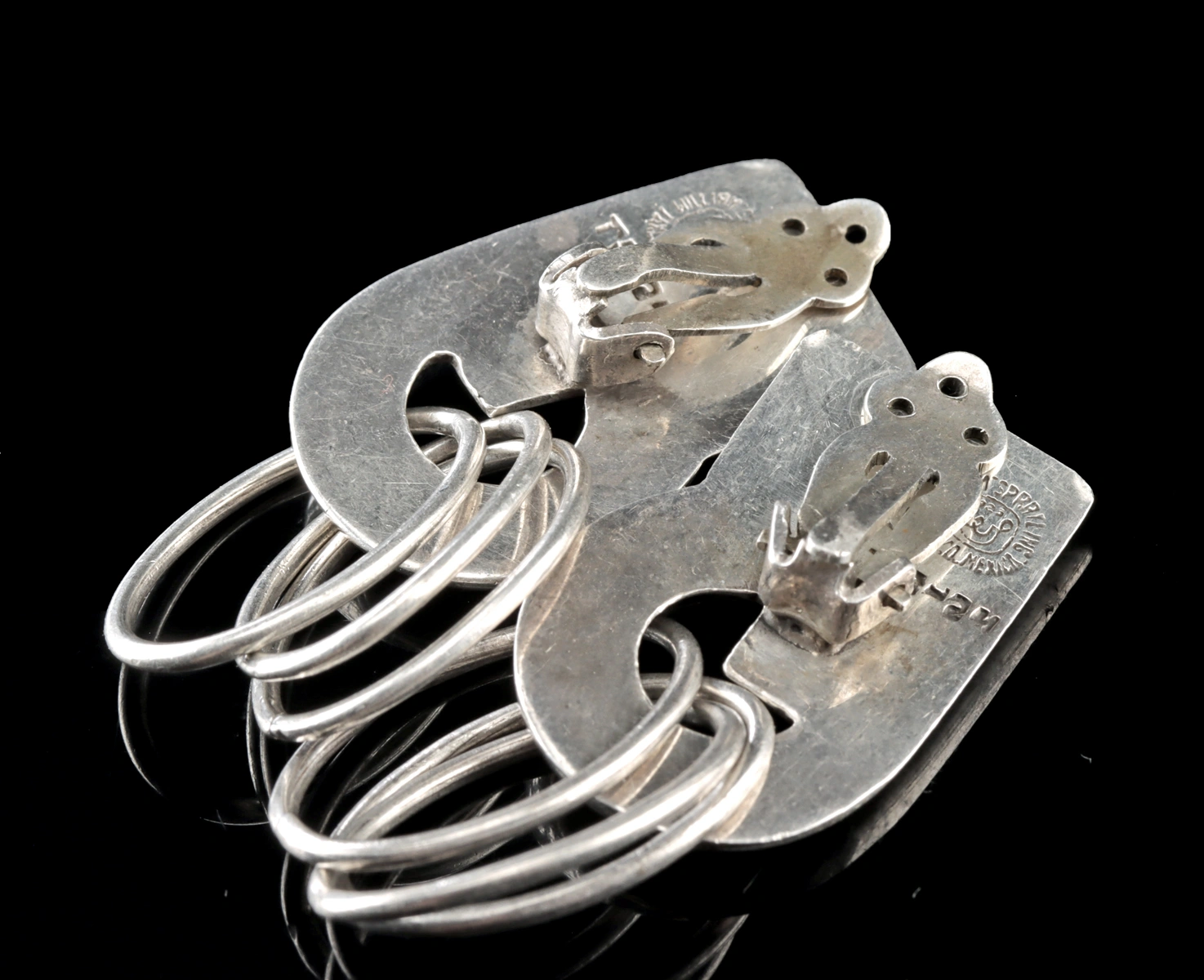
Spratling Silver Rings Earrings (Clip-On) (Auction 2026-06-05, Lot 261)
Add to cart -


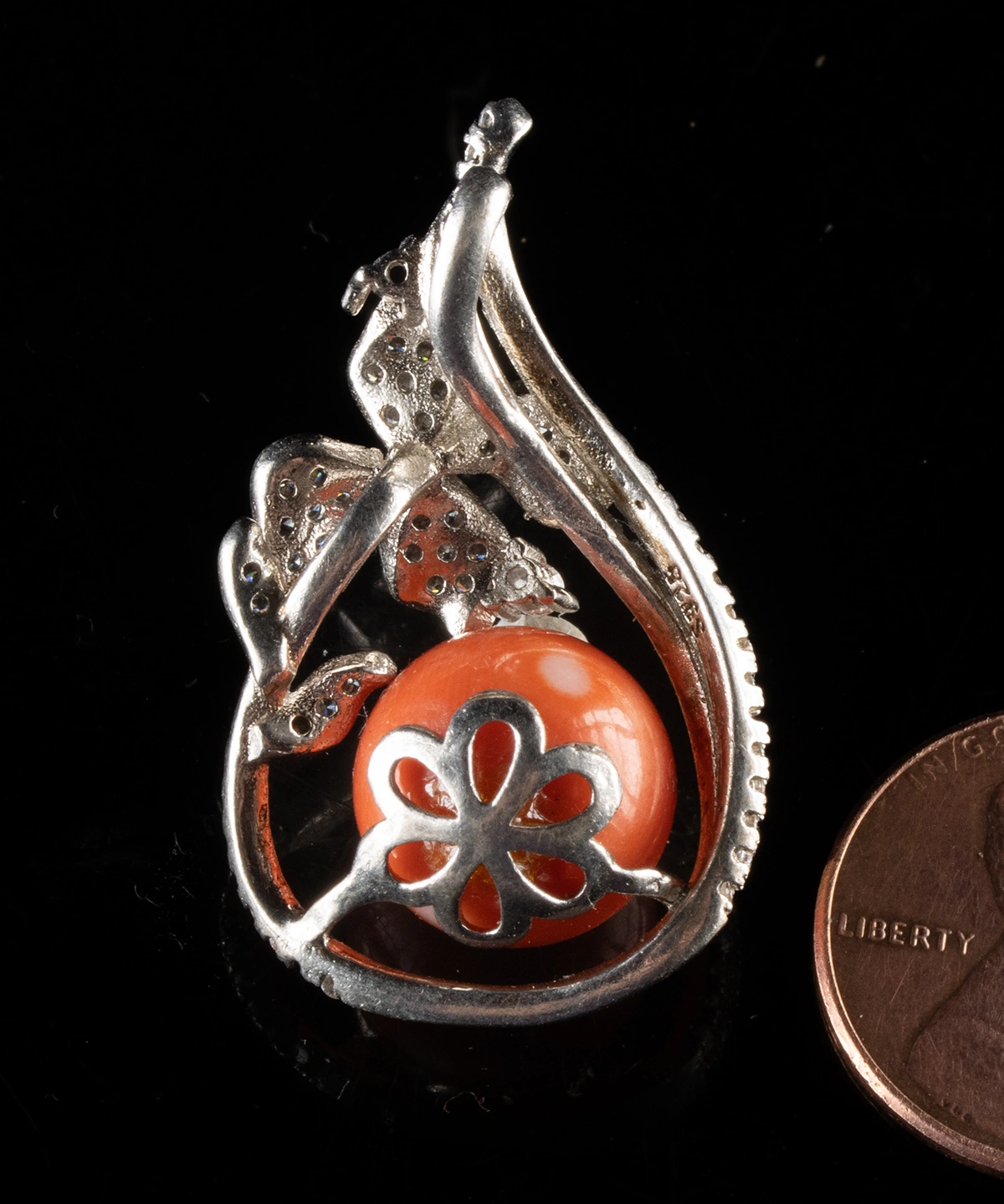
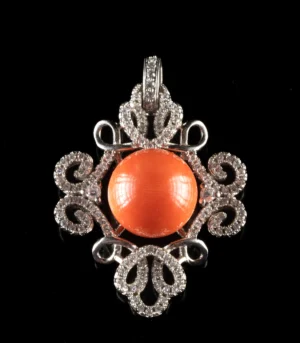
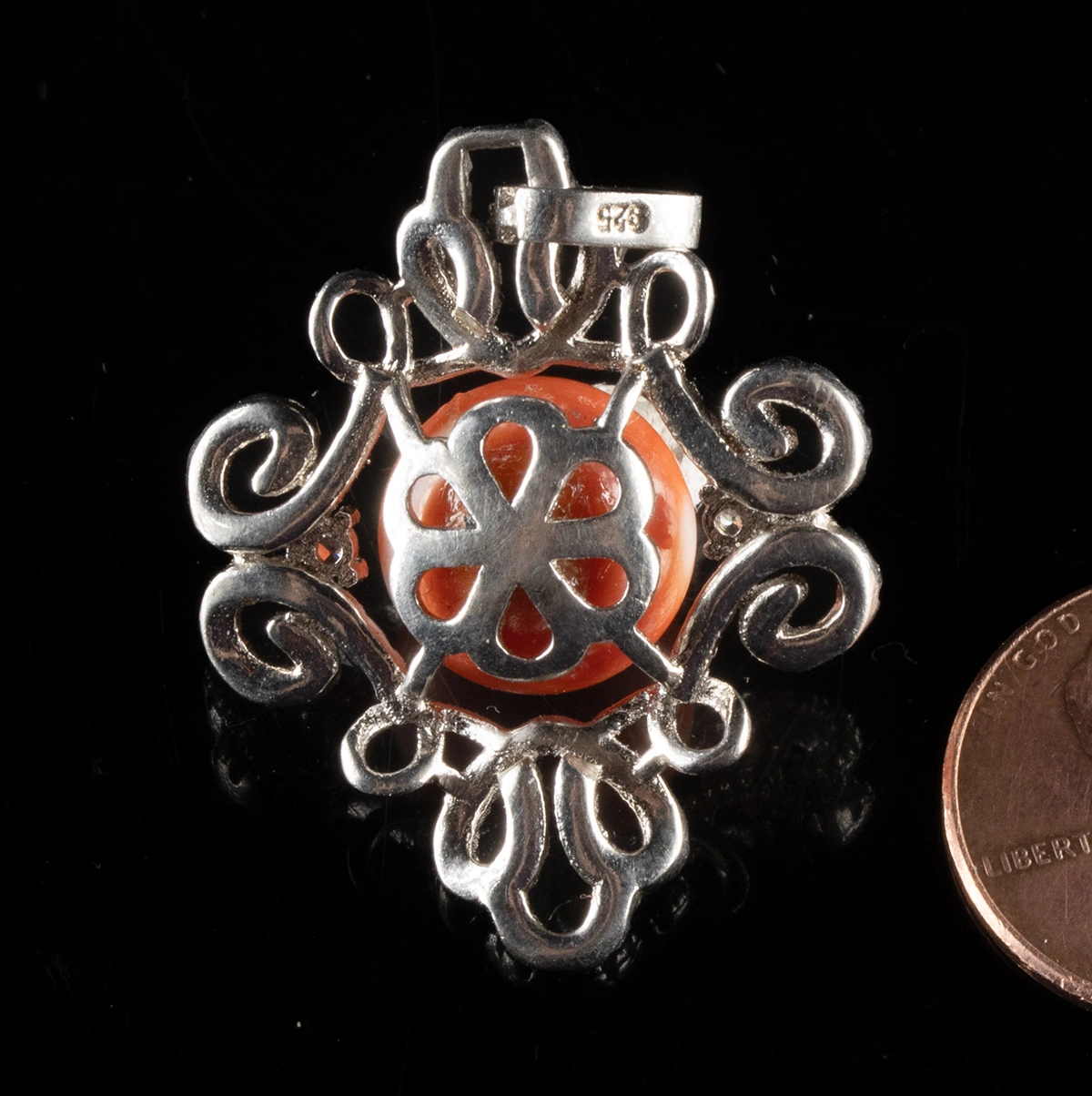
Silver Scrollwork Pendant with Coral Sphere (Auction 2026-06-05, Lot 146)
Add to cart -


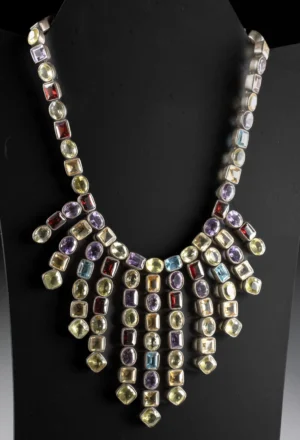
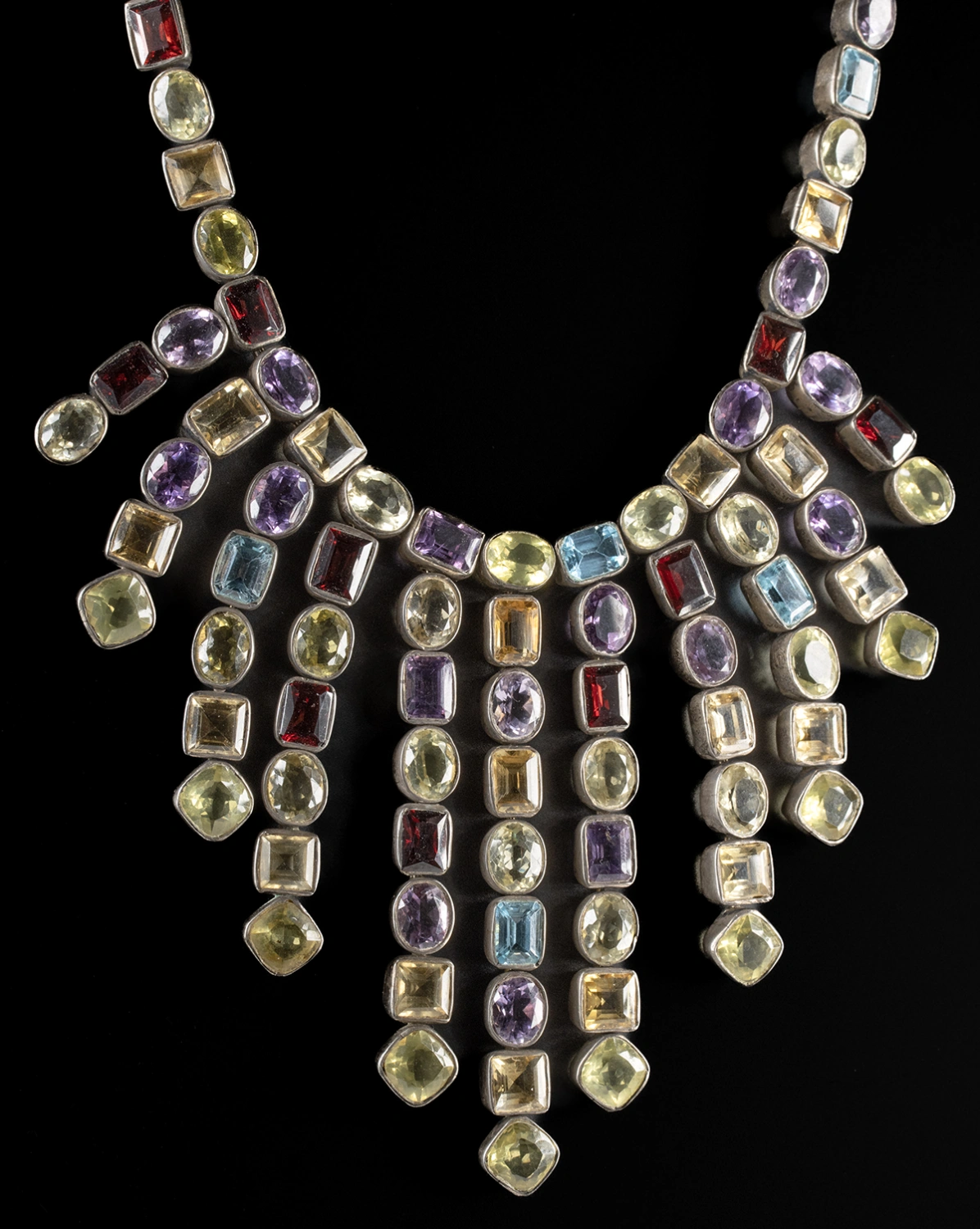
Silver & Semi-Precious Stone Bib Statement Necklace (Auction 2026-06-05, Lot 265)
Add to cart -


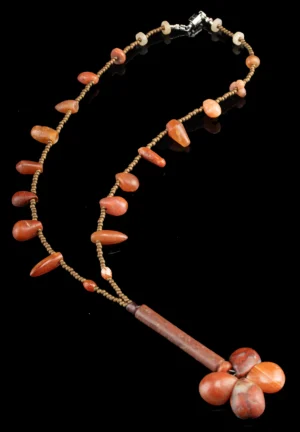
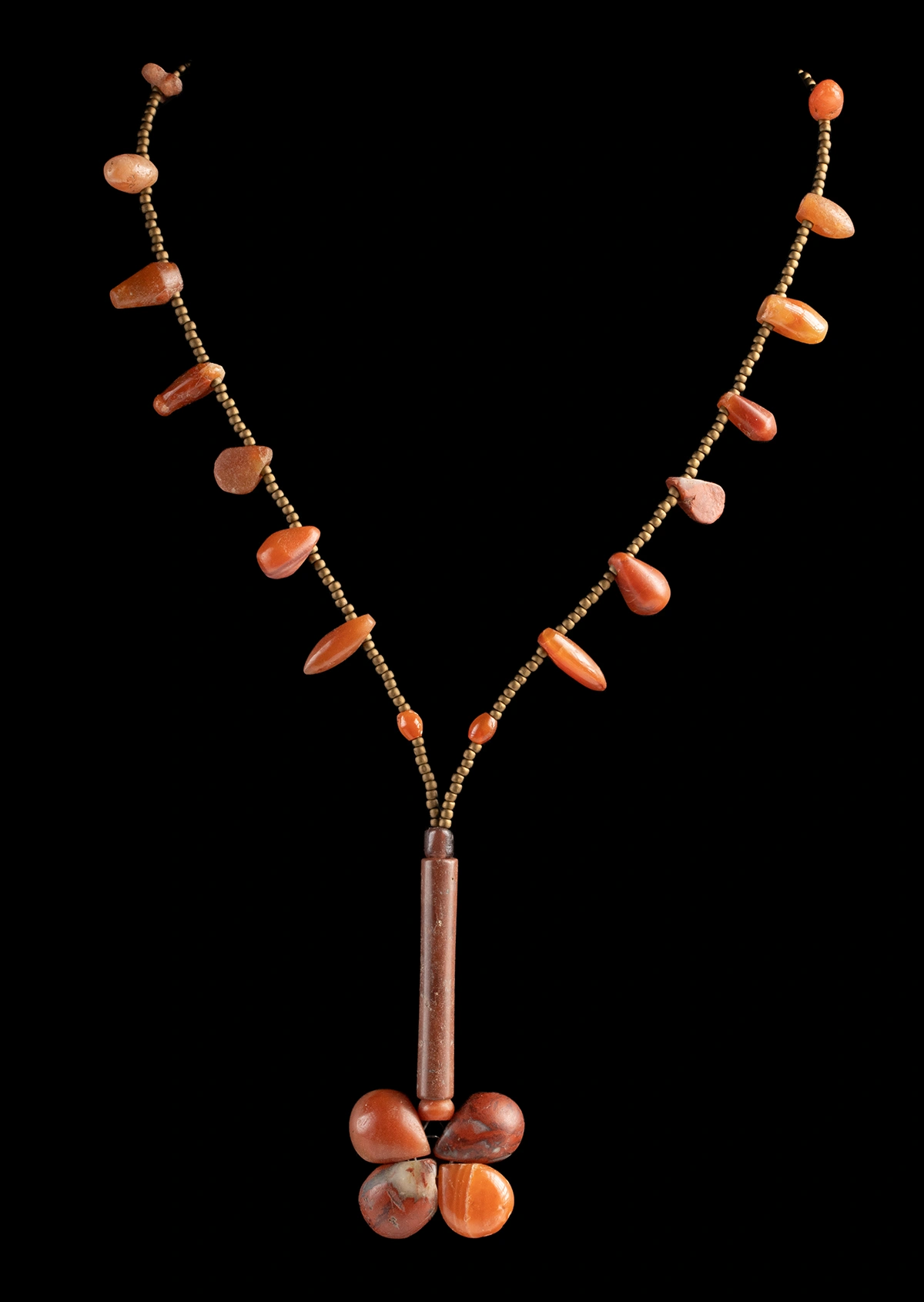
Pre-Columbian / Roman Carnelian & Jasper Bead Necklace (Auction 2026-06-05, Lot 173A)
Add to cart -


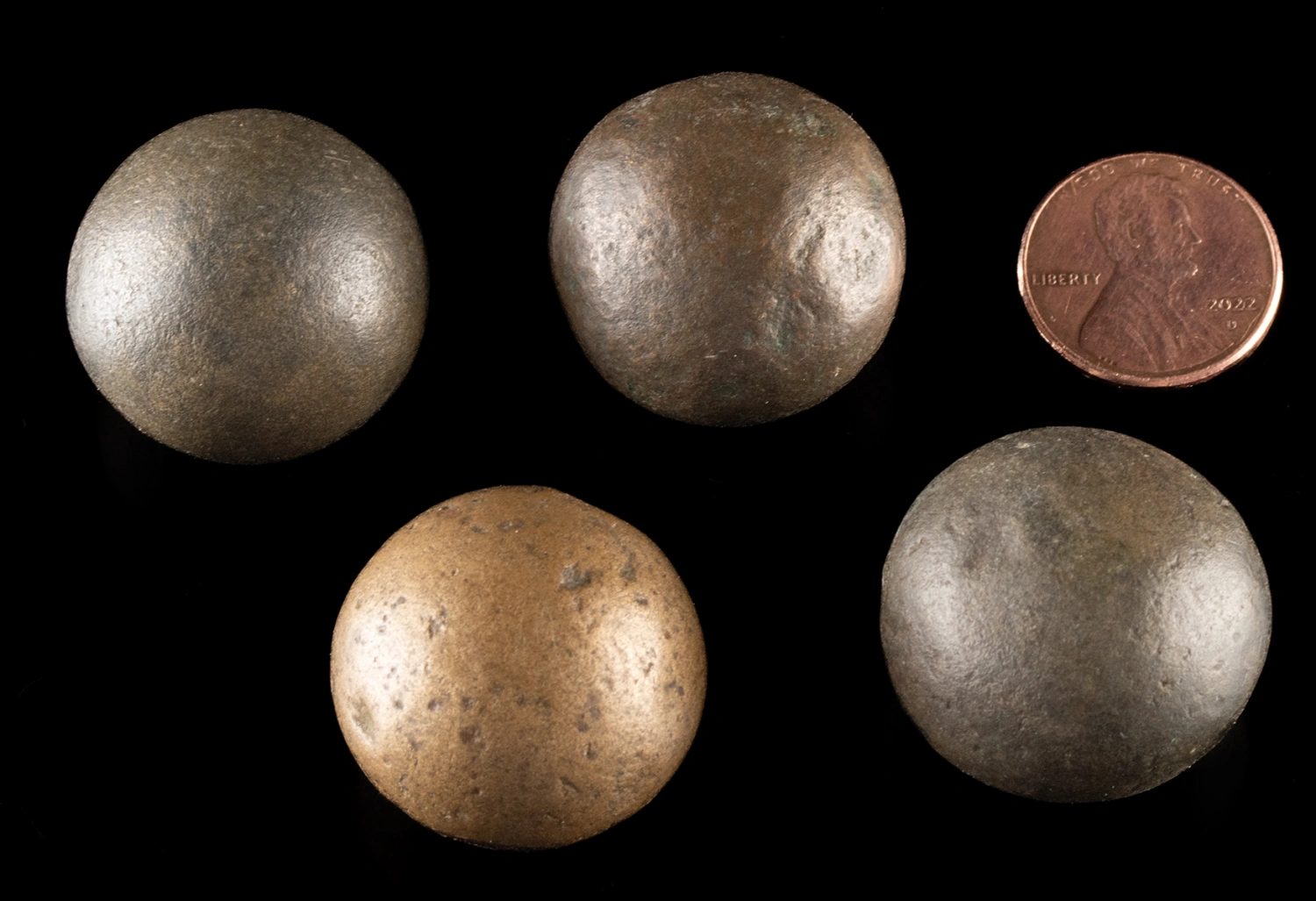
Four Spanish Colonial Copper Bola Sling Weights (Auction 2026-06-05, Lot 246)
Add to cart -

Crystals: Quartz Points, Geode, Pyrite & Stilbite (Auction 2026-06-05, Lot 136)
Add to cart