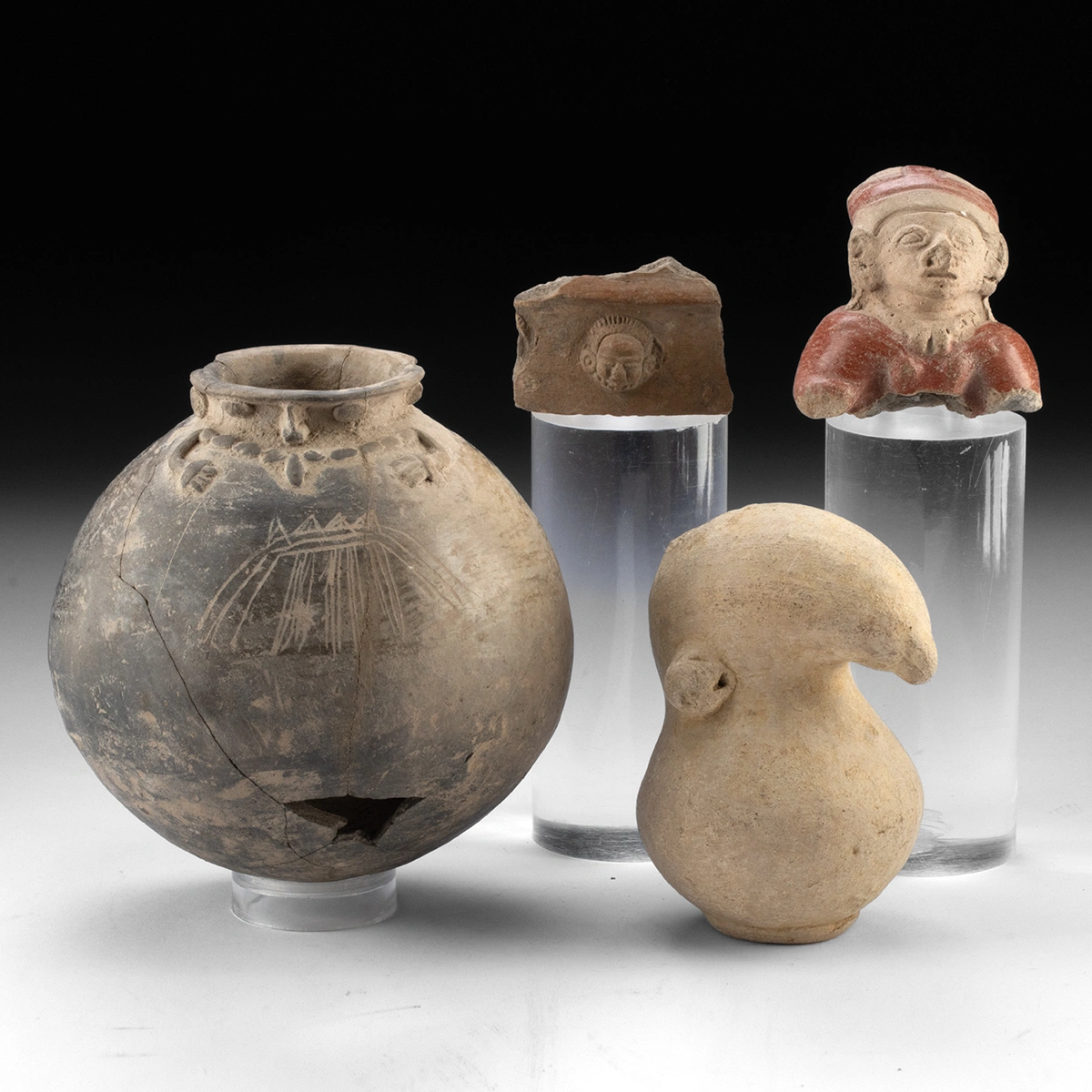
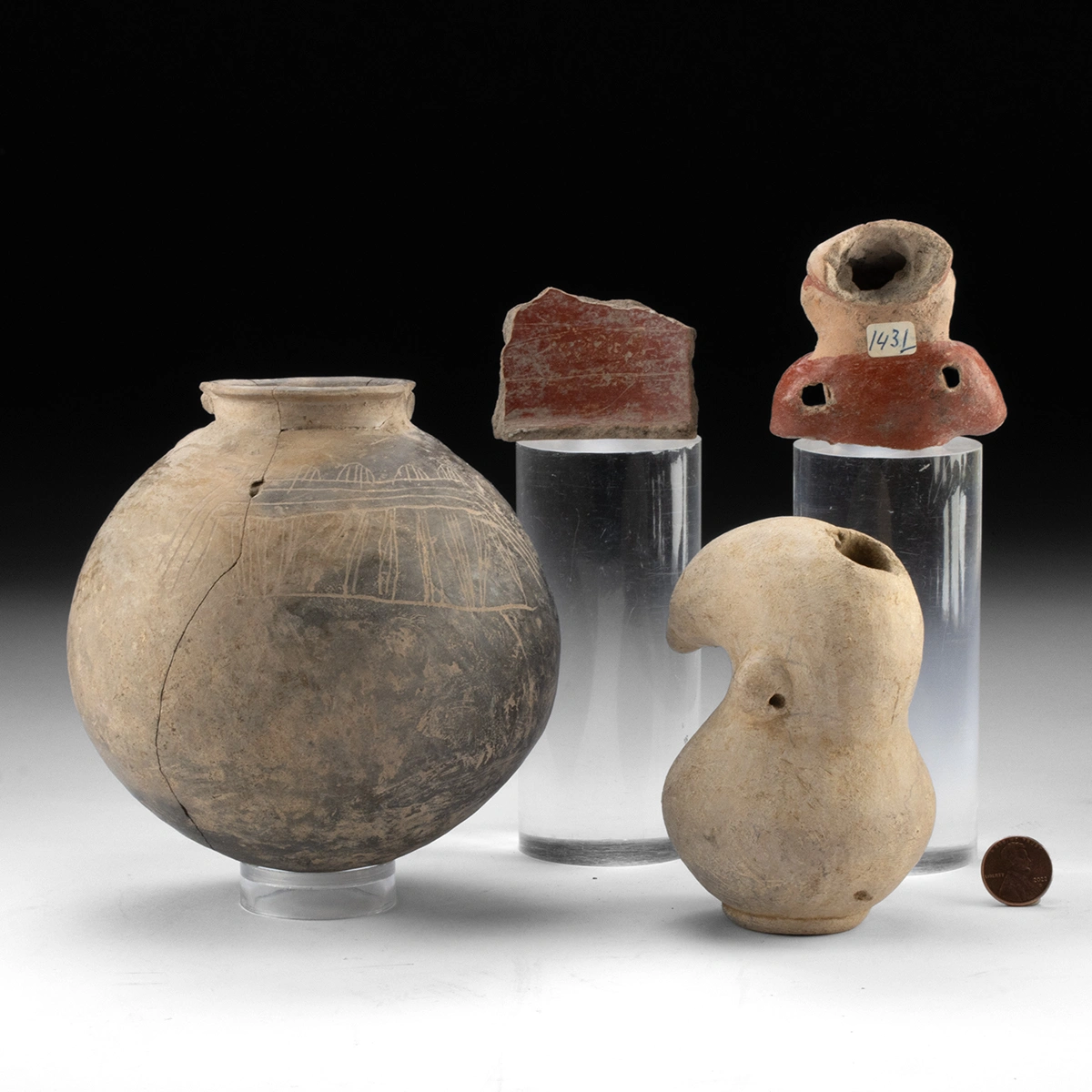
Pre-Columbian Pottery Group – Narino, Jama-Coaque, Bahia & Aztec (Auction 2026-06-05, Lot 66A)
$257.00
A quartet of ceramic survivals spanning the breadth of the ancient Americas, each piece a distinct voice in the long conversation between Andean and Mesoamerican potters. The largest, a globular Narino-Carchi jar from the high cordillera of the Ecuador-Colombia frontier, swells toward a near-perfect sphere; its grey-buff body carries lightly incised geometric panels traced before firing, and the shoulder bears a small modeled face flanked by applied ears, with relief arms and a beaded necklace descending across the belly, a figural treatment associated with the Capuli and Piartal traditions that flourished in the highlands. Beside it sits a hollow gourd-form vessel attributed to the Bahia culture of coastal Ecuador, its tapering upper lobe and applied lug suggesting both utilitarian use and a sculptor’s pleasure in organic form. A Jama-Coaque figural whistle, the bust of a personage in a tall red-slipped headdress with cape or tunic, preserves the brilliant post-fire pigments and crisp modeling for which the culture of Ecuador’s northern coast is admired, the eyes and mouth incised with quick assurance; a small aperture at the back betrays its original function as an aerophone, perhaps sounded in procession or ritual. The smallest piece, a relief sherd in the Aztec manner, retains a frontal face framed by what may be a feathered or beaded headband, perhaps once part of a censer or architectural ornament from the Basin of Mexico. Together the group telescopes some two millennia of Indigenous ceramic invention into a single shelf, the Andean wares speaking to highland and littoral economies, the Mesoamerican fragment to the ritual urban world that Cortes would find at Tenochtitlan.
Provenance: private Colorado, USA collection
Condition: Damaged. Figure and relief face are fragments. Larger jar has been repaired with break lines visible and areas of loss to lower front side and rim. All have expected surface wear with chips, nicks, and abrasions in areas. Gourd vessel is intact. Scattered earthen deposits throughout.
Related Products
-


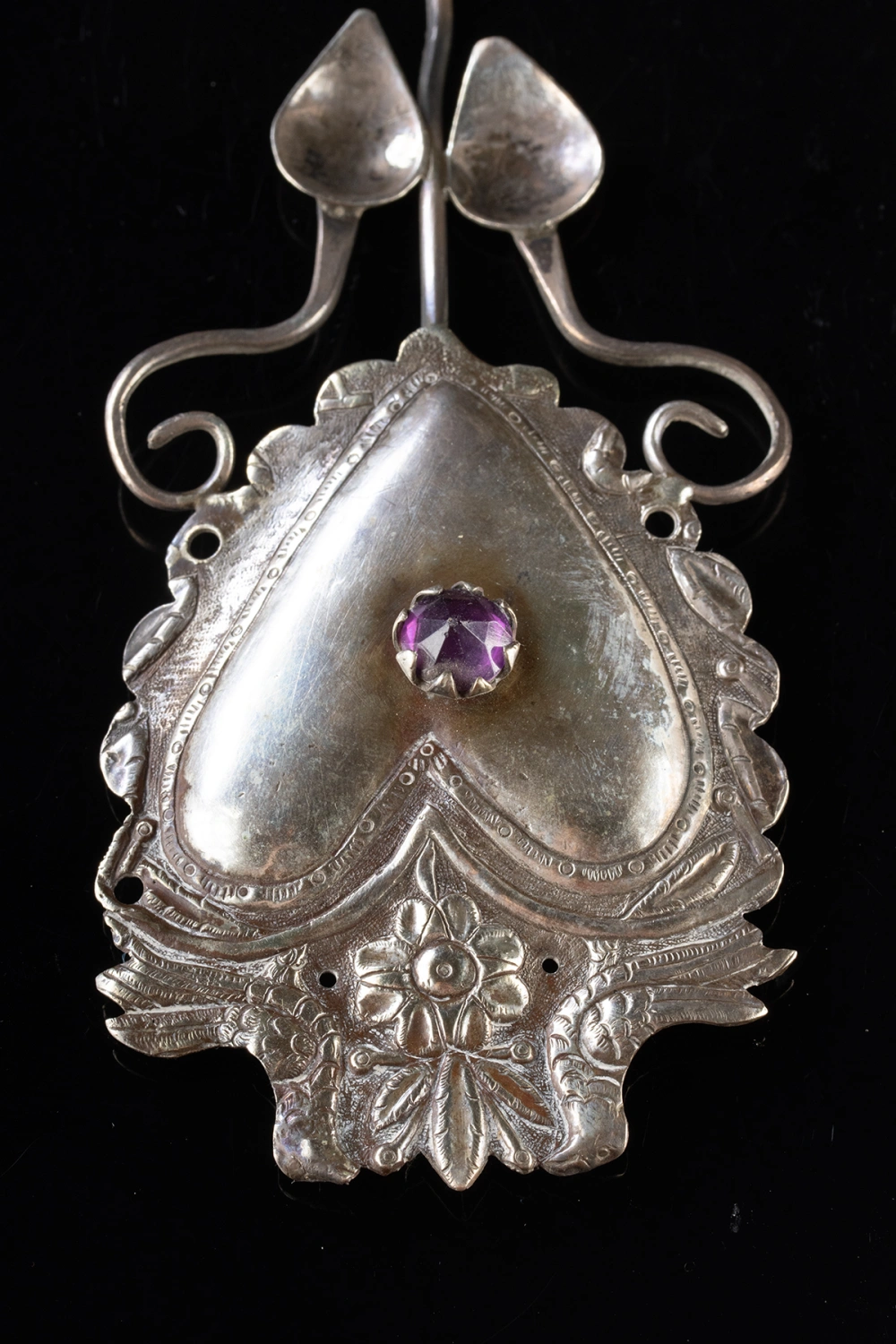
Two Andean Silver Tupu Pins, Heart Shaped & Fish Charm (Auction 2026-06-05, Lot 248)
Add to cart -


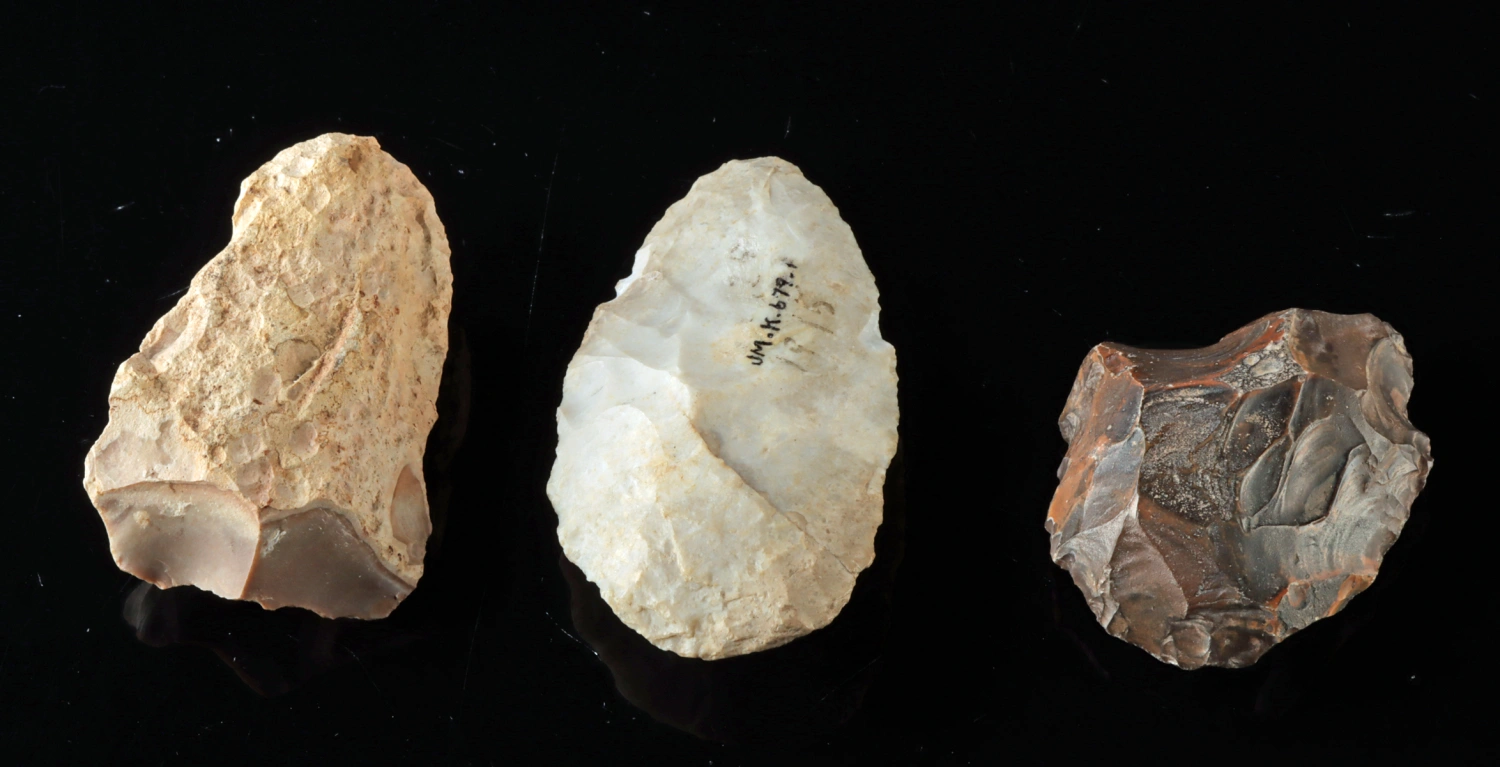
Three Prehistoric French Neolithic Stone Tools (Auction 2026-06-05, Lot 174)
Add to cart -


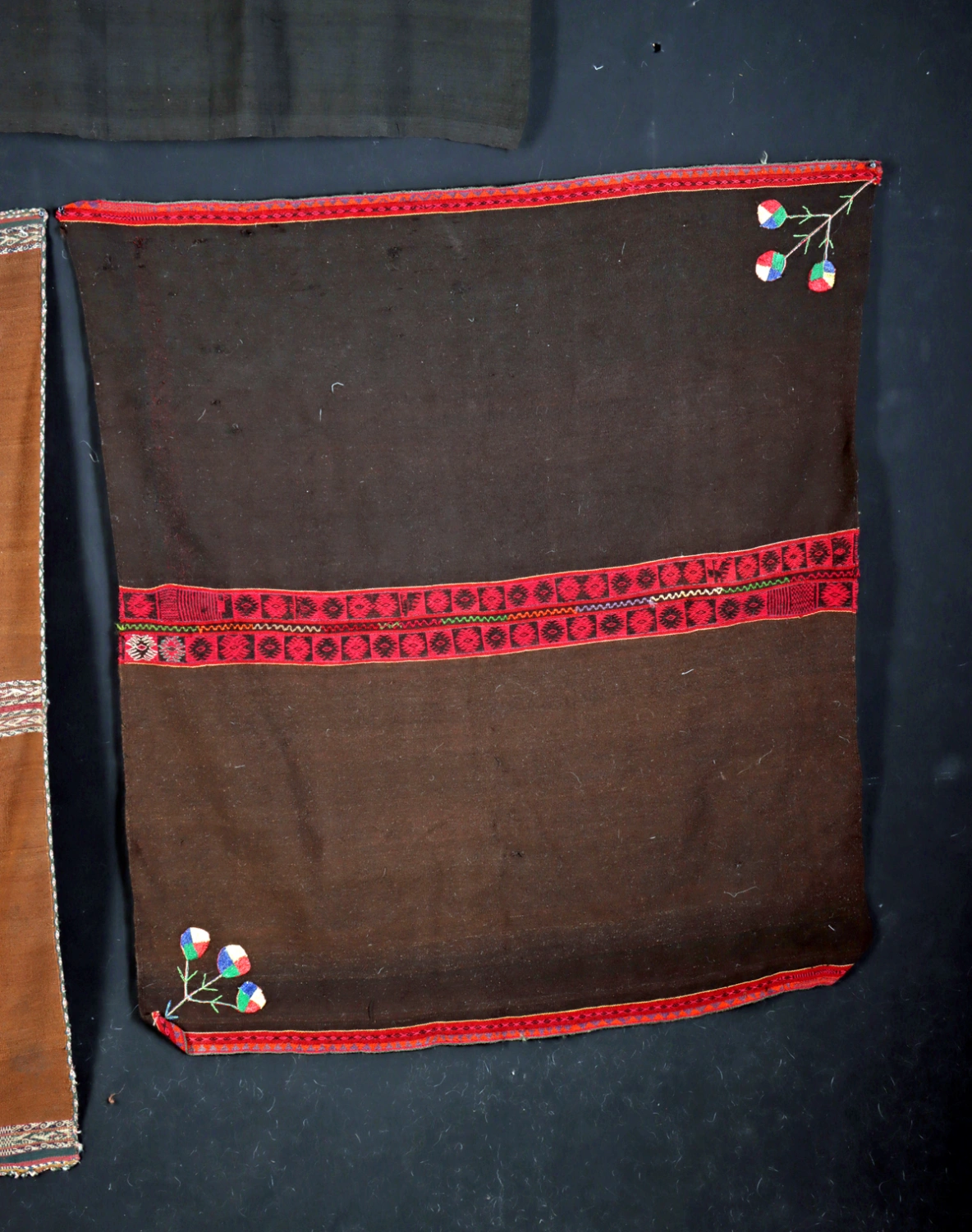
Three Peru / Bolivia Handwoven Wool Women’s Mantles (Auction 2026-06-05, Lot 247)
Add to cart -


Sterling Silver & Coral Bead Pendant (Auction 2026-06-05, Lot 145)
Add to cart -


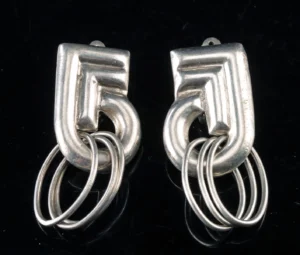
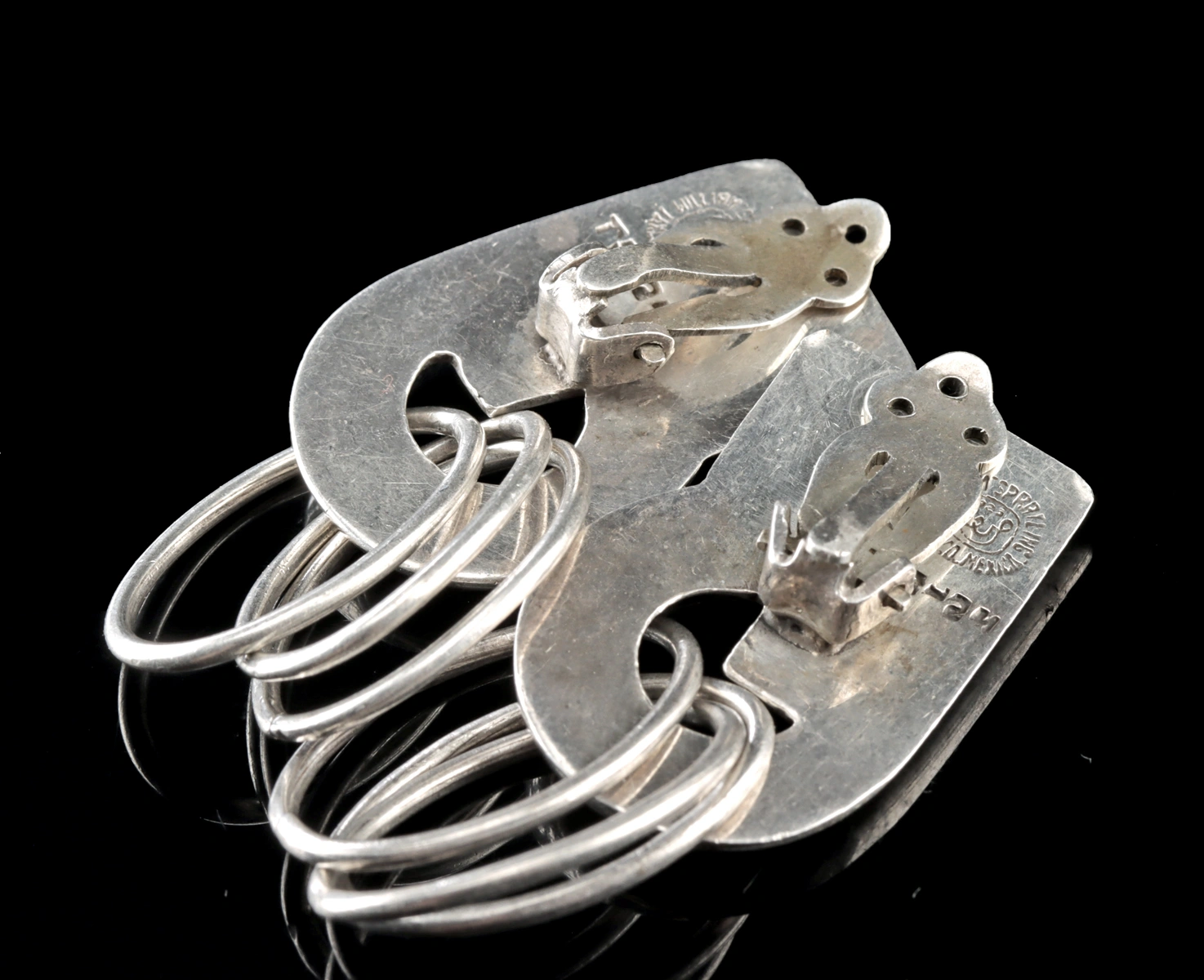
Spratling Silver Rings Earrings (Clip-On) (Auction 2026-06-05, Lot 261)
Add to cart -


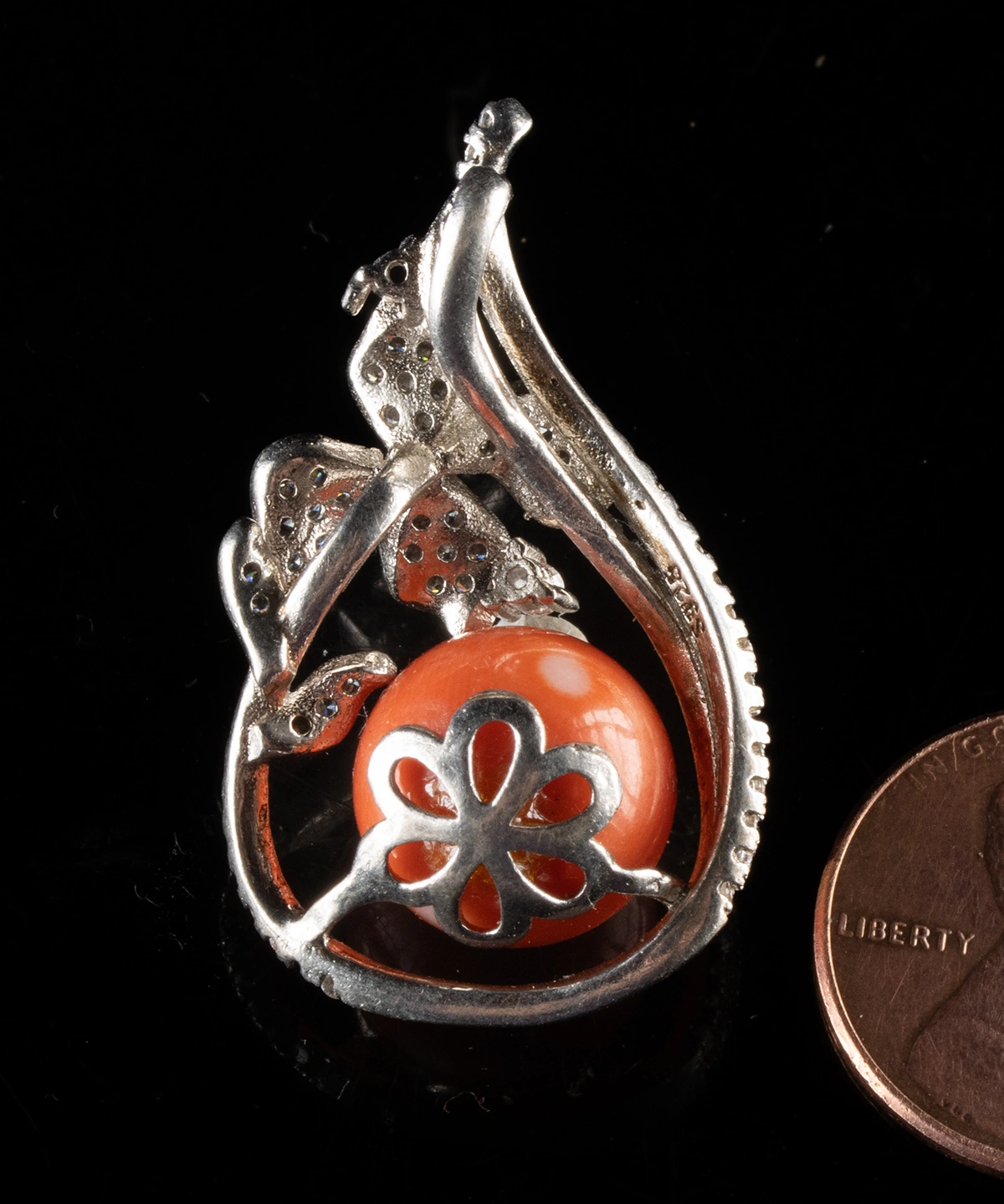
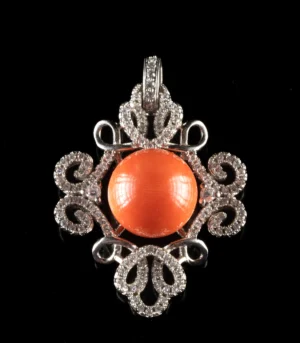
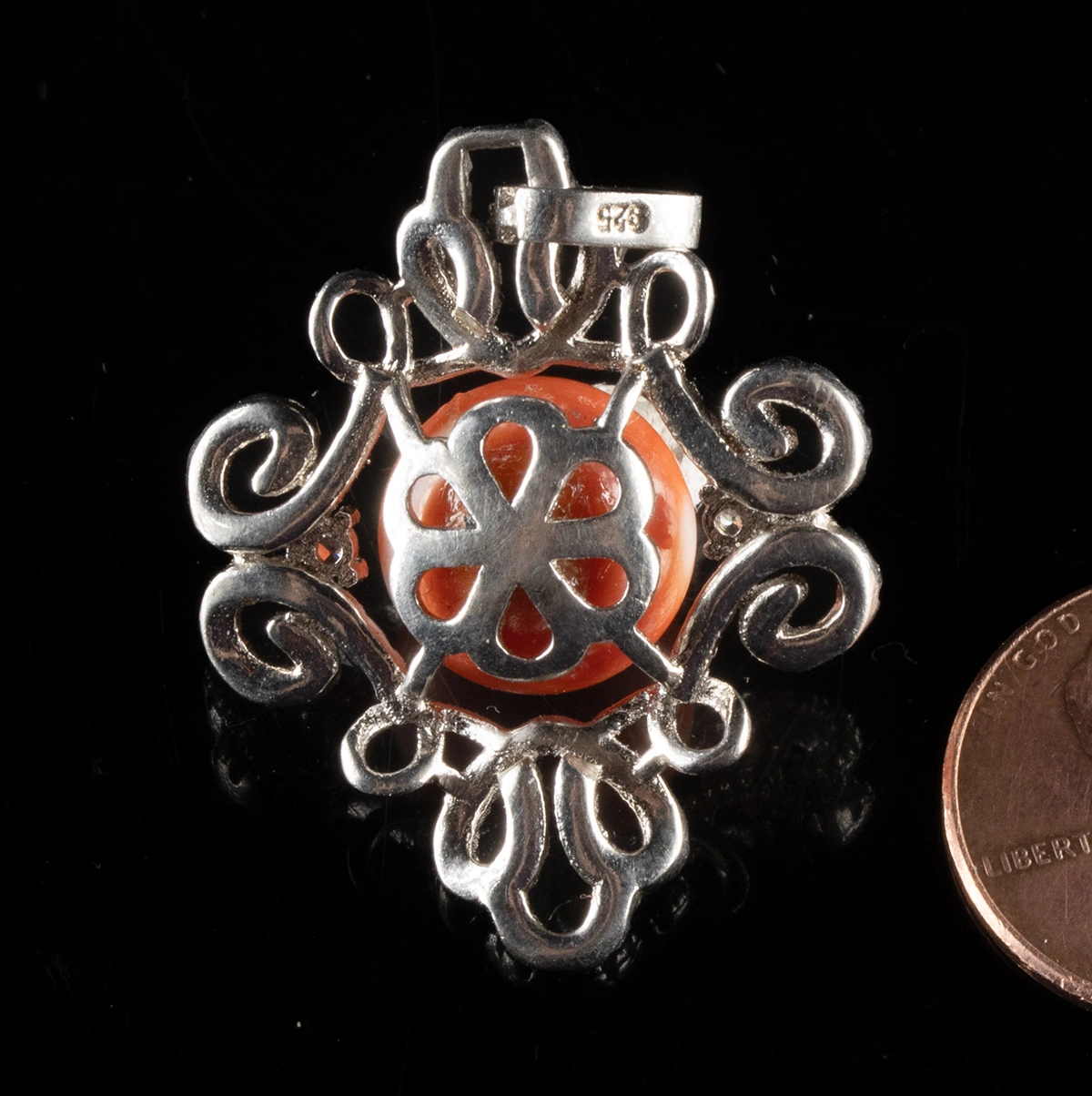
Silver Scrollwork Pendant with Coral Sphere (Auction 2026-06-05, Lot 146)
Add to cart -


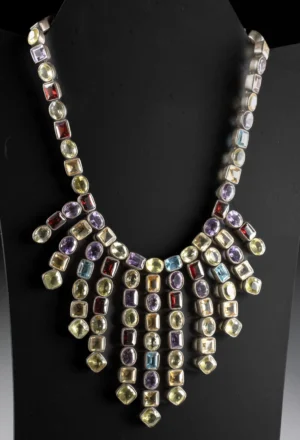
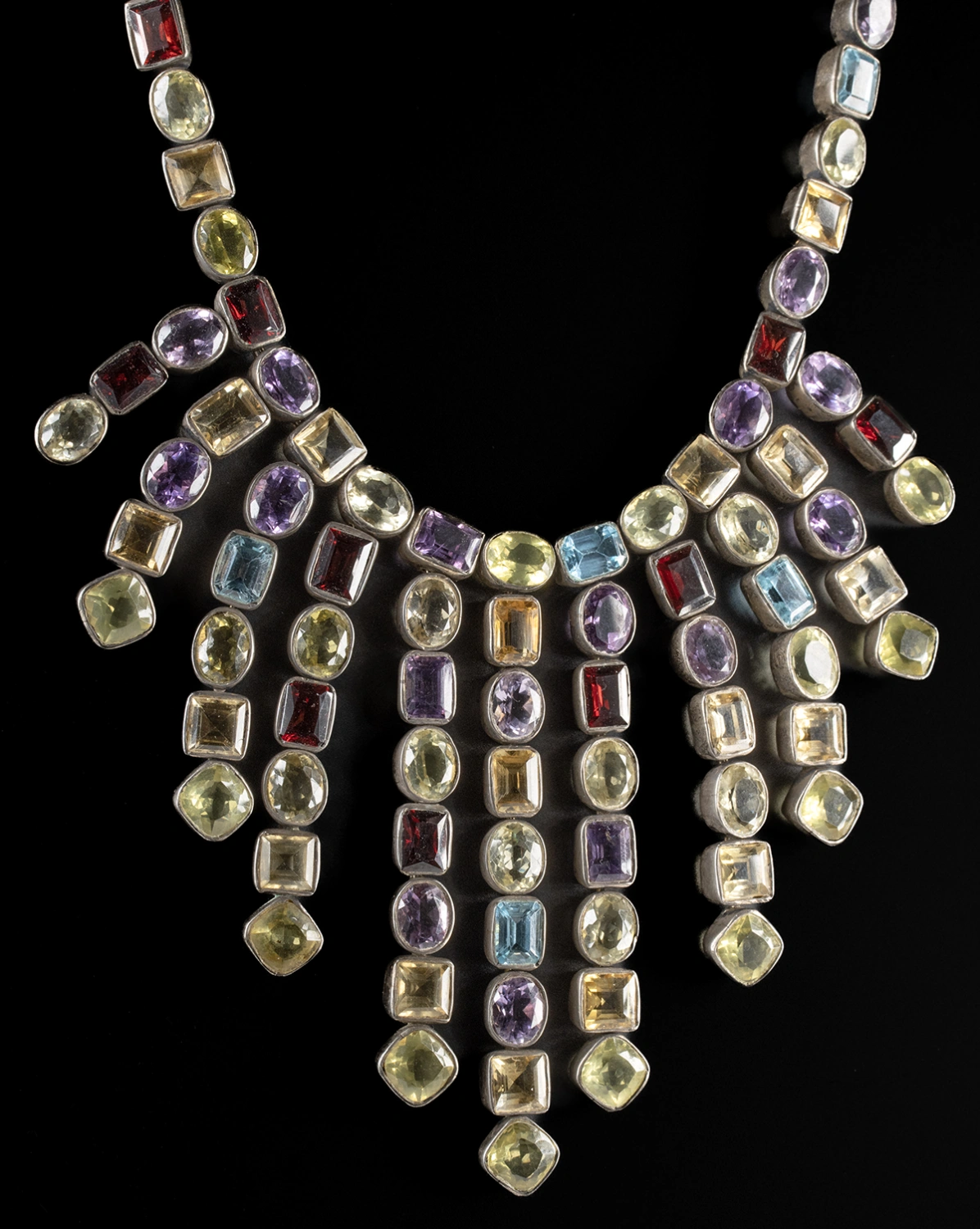
Silver & Semi-Precious Stone Bib Statement Necklace (Auction 2026-06-05, Lot 265)
Add to cart -


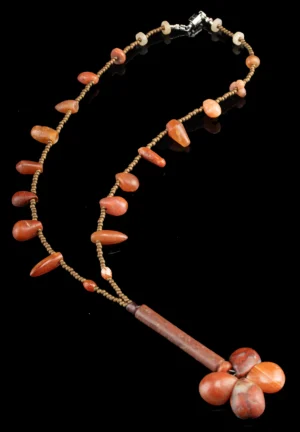
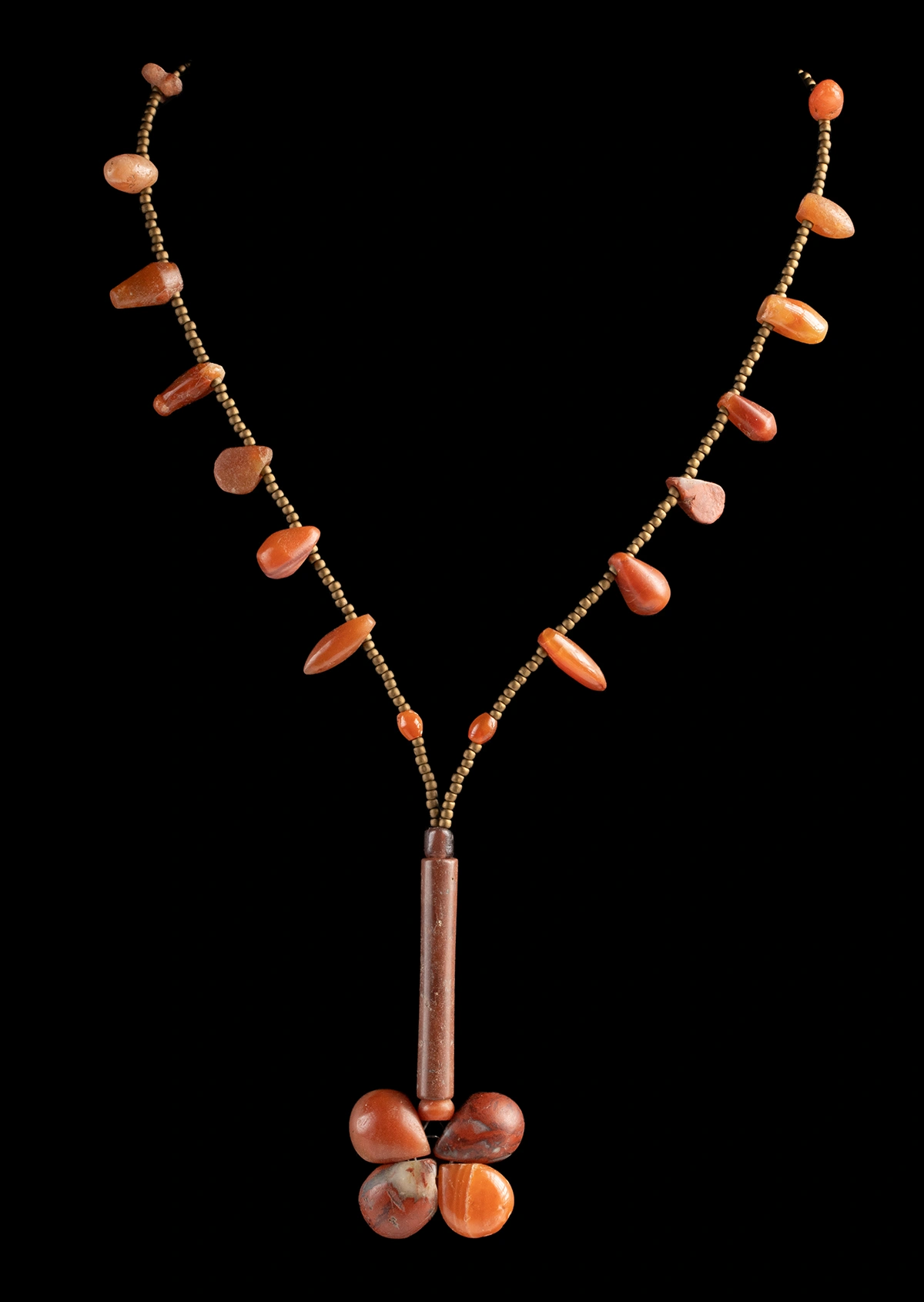
Pre-Columbian / Roman Carnelian & Jasper Bead Necklace (Auction 2026-06-05, Lot 173A)
Add to cart -


Four Spanish Colonial Copper Bola Sling Weights (Auction 2026-06-05, Lot 246)
Add to cart -

Crystals: Quartz Points, Geode, Pyrite & Stilbite (Auction 2026-06-05, Lot 136)
Add to cart