Lot 38, Auction 3/19/2026: 18th C. Chinese Wood Xiwangmu Queen Mother of the West
$455.00
In stock
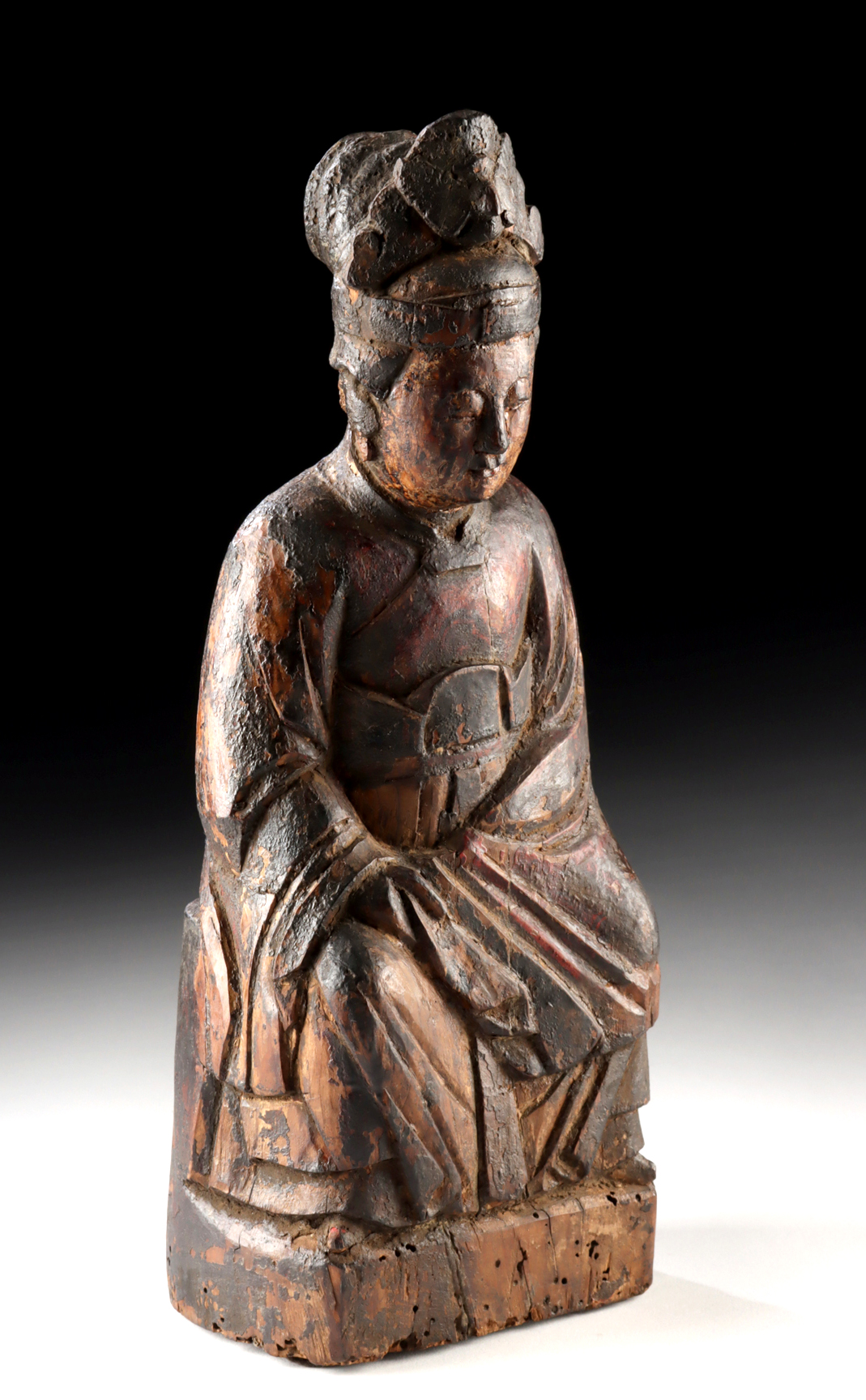
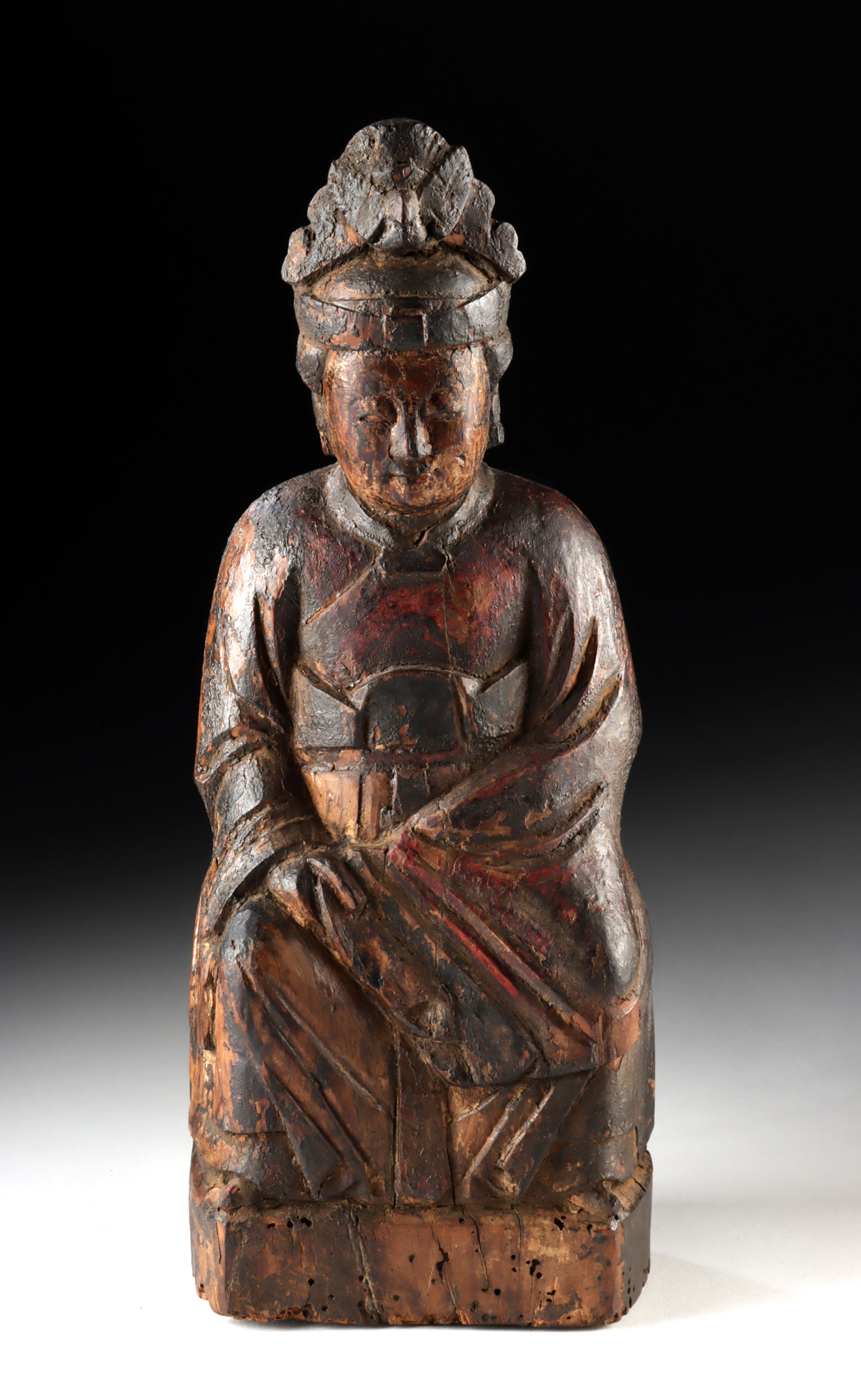
East Asia, China, Qing Dynasty, ca. 18th century CE. A lovely lacquered wood home altar figure of Xiwangmu, the Queen Mother of the West – one of the most revered deities in Daoist tradition. Depicted seated in calm authority atop a flat plinth, the goddess is dressed in flowing robes and crowned with an elaborate headdress adorned with floral and phoenix-like motifs, symbols of immortality and celestial power. Remnants of red and black lacquer highlight the contours of her form, suggesting both her age and her continued spiritual potency. Her expression is composed and introspective, with gently downcast eyes and delicately modeled features conveying wisdom and transcendence. Size: 3.3″ L x 5.8″ W x 12.5″ H (8.4 cm x 14.7 cm x 31.8 cm)
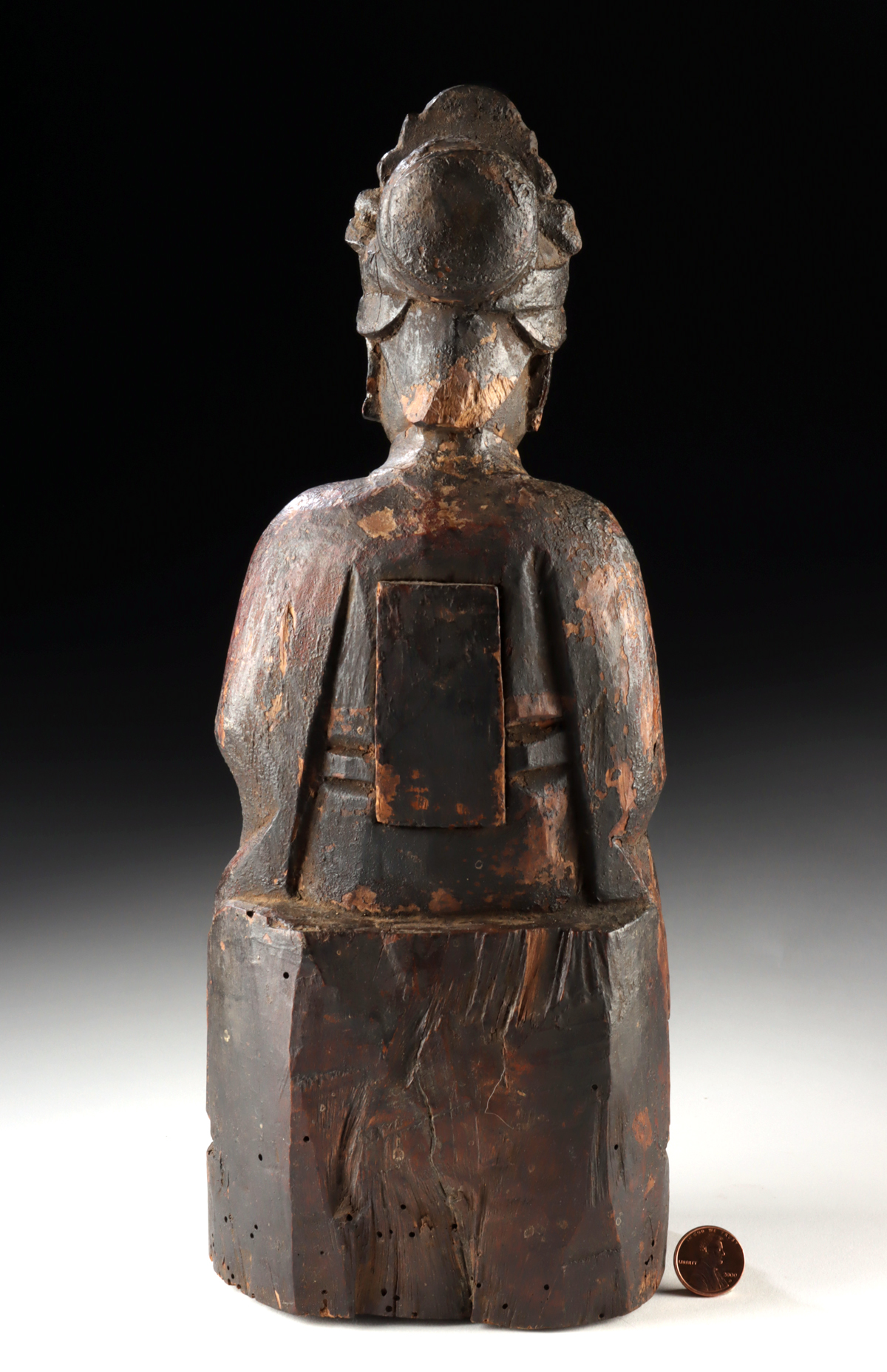
Xiwangmu, whose name means “Queen Mother of the West,” was believed to rule over the western paradise and to guard the peaches of immortality that ripen once every 3,000 years. Associated with longevity, cosmic balance, and the spiritual ascension of women and sages, she was a popular subject of household devotion during the Qing period. This figure would have occupied a domestic altar, serving as a daily focus for prayers and offerings. A ritual cavity at the back, intended to house sacred texts or relics, confirms its function in spiritual practice. A powerful example of Qing religious craftsmanship, imbued with mythic symbolism and everyday reverence.
Historically, carved figural statues held profound cultural and religious significance in China, serving not merely as decoration but as vital conduits for spiritual inspiration, solace, and ancestral veneration. These sacred objects populated homes, clan halls, temples, and public spaces, where altars and shrines honored familial ancestors and a pantheon of deities. The size and opulence of these dedicated spaces reflected a family’s standing, with even modest homes featuring altars for expressing Confucian piety through ancestor worship. Wealthier families often dedicated entire rooms to elaborate shrines, housing images and ancestor tablets – inscribed placards acting as spiritual seats for the deceased, sometimes even found in temple halls where monks offered prayers for their well-being in the afterlife.
Central to imbuing these carvings with spiritual potency was the “eye opening ceremony,” a consecration ritual performed by a senior priest or monk. This process, involving practices like dotting the eyes with cinnabar, pricking them, or anointing them with liquids, was believed to awaken the statue’s senses, enabling it to perceive and respond to devotees’ prayers. Before this ritual, a cavity carved into the statue’s back was filled with sacred documents, a dated paper script honoring the donors and commemorating the event, prayers, and symbolic items representing inner organs, then sealed. The completed, veiled statue was then solemnly carried to the temple for the complex consecration, a communal event believed to imbue the inert carving with life force (chi or qi) and invite the deity’s spirit to reside within. This animated state was believed to persist as long as the cavity remained sealed, making intact statues with their original contents exceptionally rare and deserving of continued reverence.
Condition: Bung covering to prayer cavity in verso is intact. Some chipping to base as well as stable hairline fissures and areas of old, inactive insect activity. Otherwise, intact and very nice with trace remains of pigments and rich patina throughout.
Provenance: private Los Angeles, California, USA collection, acquired from 1990 – 2005
All items legal to buy/sell under U.S. Statute covering cultural patrimony Code 2600, CHAPTER 14, and are guaranteed to be as described or your money back.
A Certificate of Authenticity will accompany all purchases.
We ship worldwide and handle all shipping in-house for your convenience.
Related Products
-


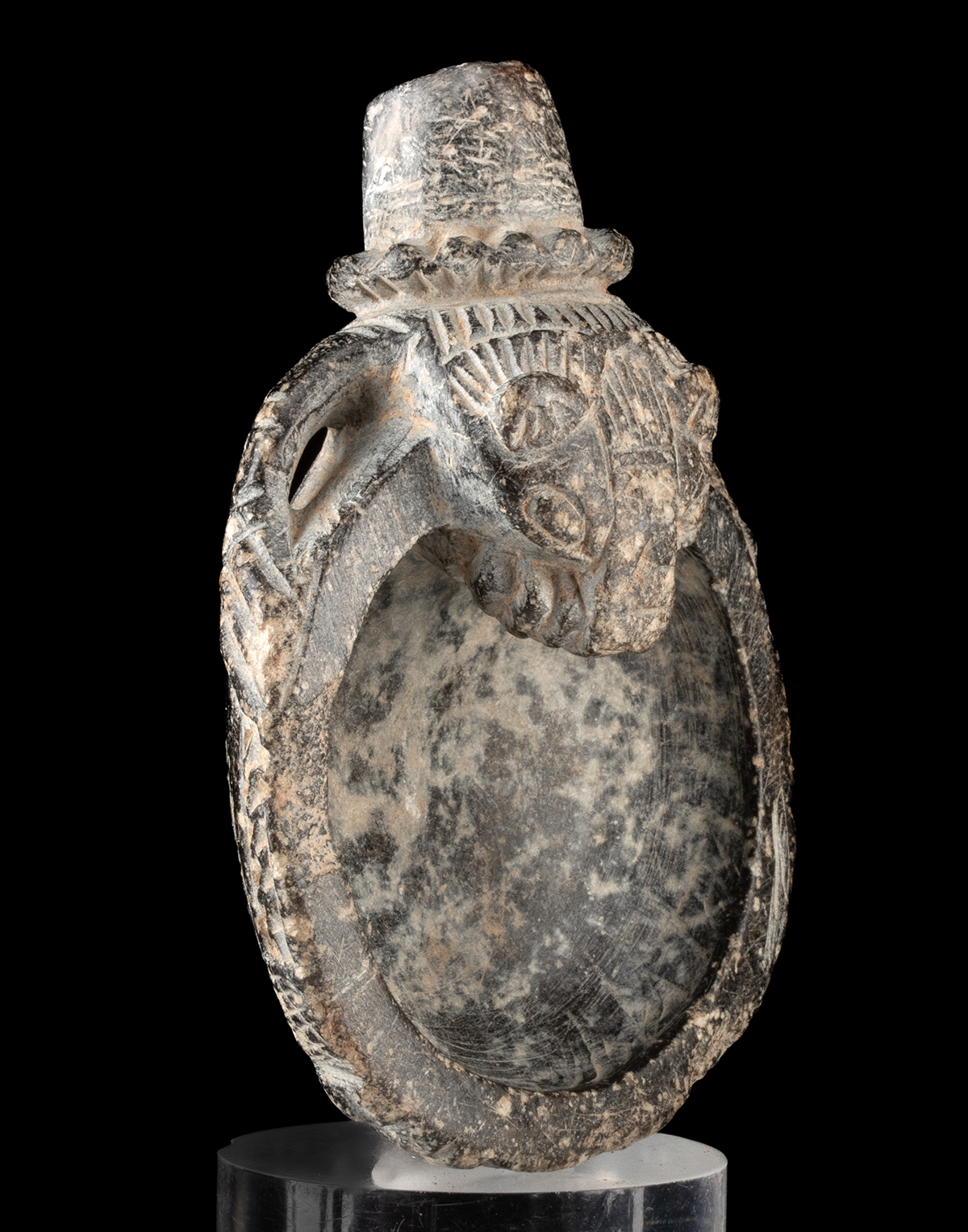
Lot 152a, Auction 4/3/2026: Mesopotamian Stone Libation Bowl Lion Effigy
Add to cart -


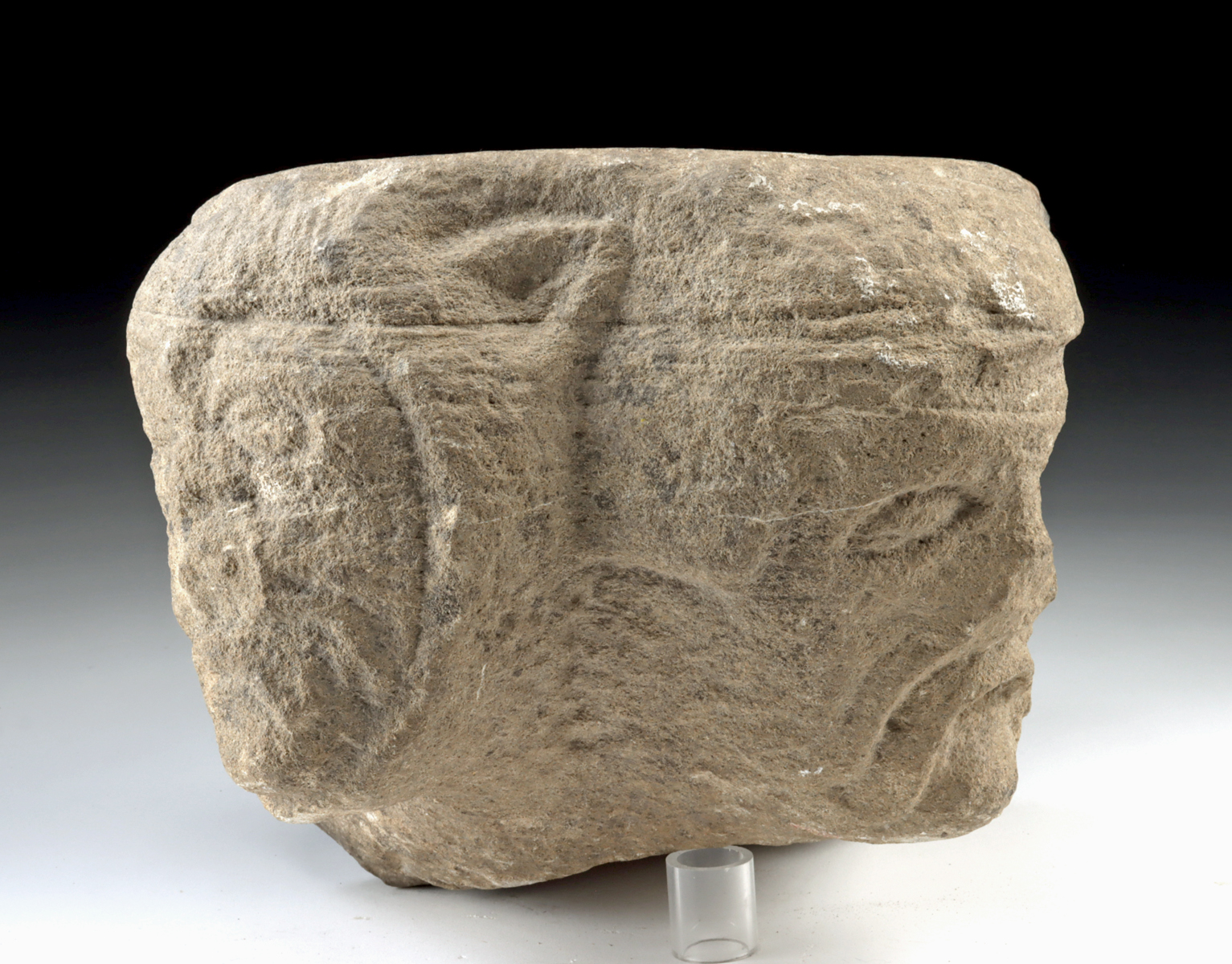
Lot 150, Auction 4/3/2026: 12th C. Medieval Stone Corbel with Dual Faces
Add to cart -


Lot 135, Auction 4/3/2026: Eastern Greek Archaic Terracotta Votive – Woman w/ Bird
Add to cart -


Lot 130, Auction 4/3/2026: Ancient Egyptian Ptolemaic Pottery Figurine Fragments
Add to cart -


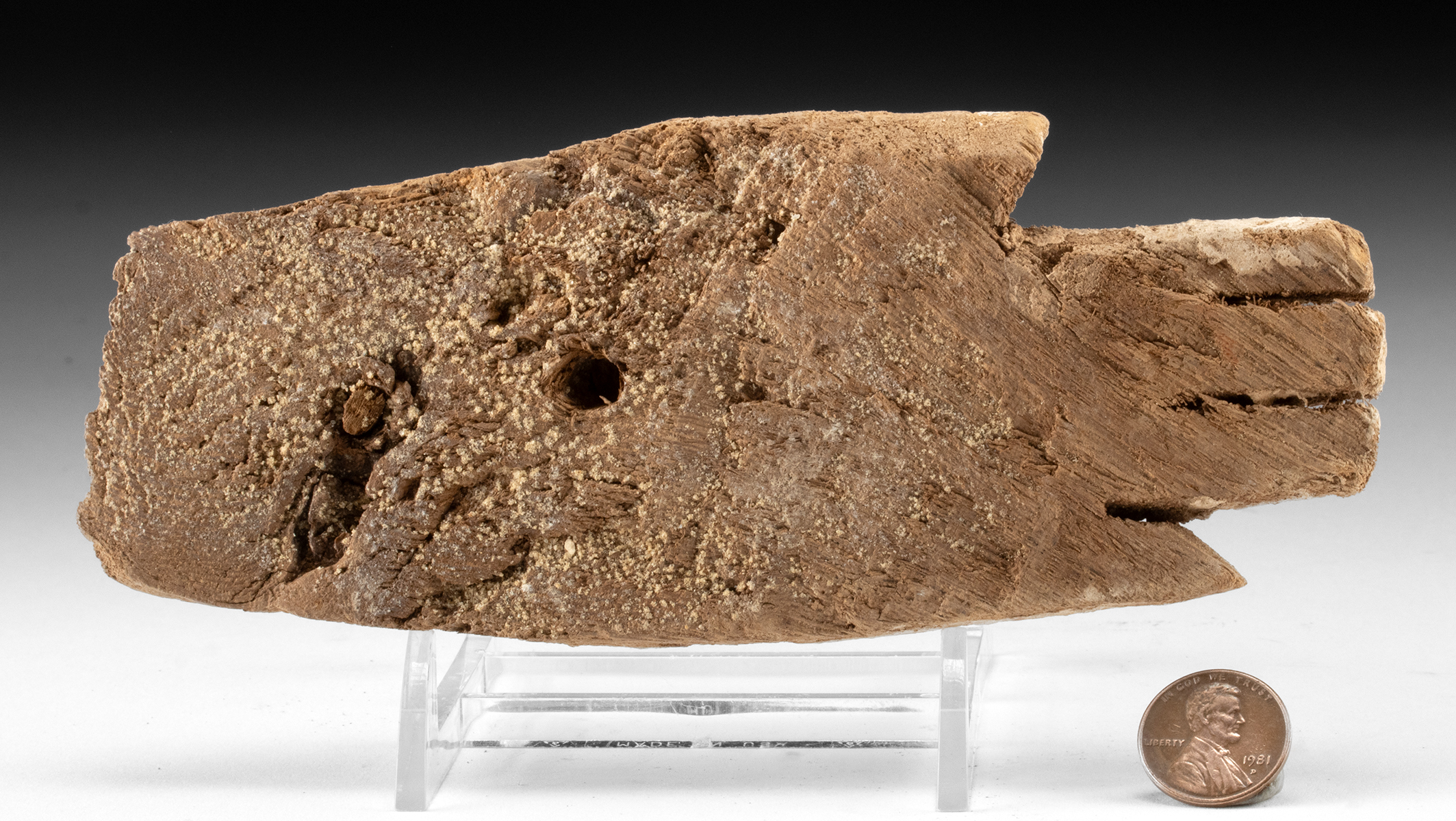
Lot 126, Auction 4/3/2026: Egyptian Painted Wood Hand – Late Dynastic Sarcophagus
Add to cart -


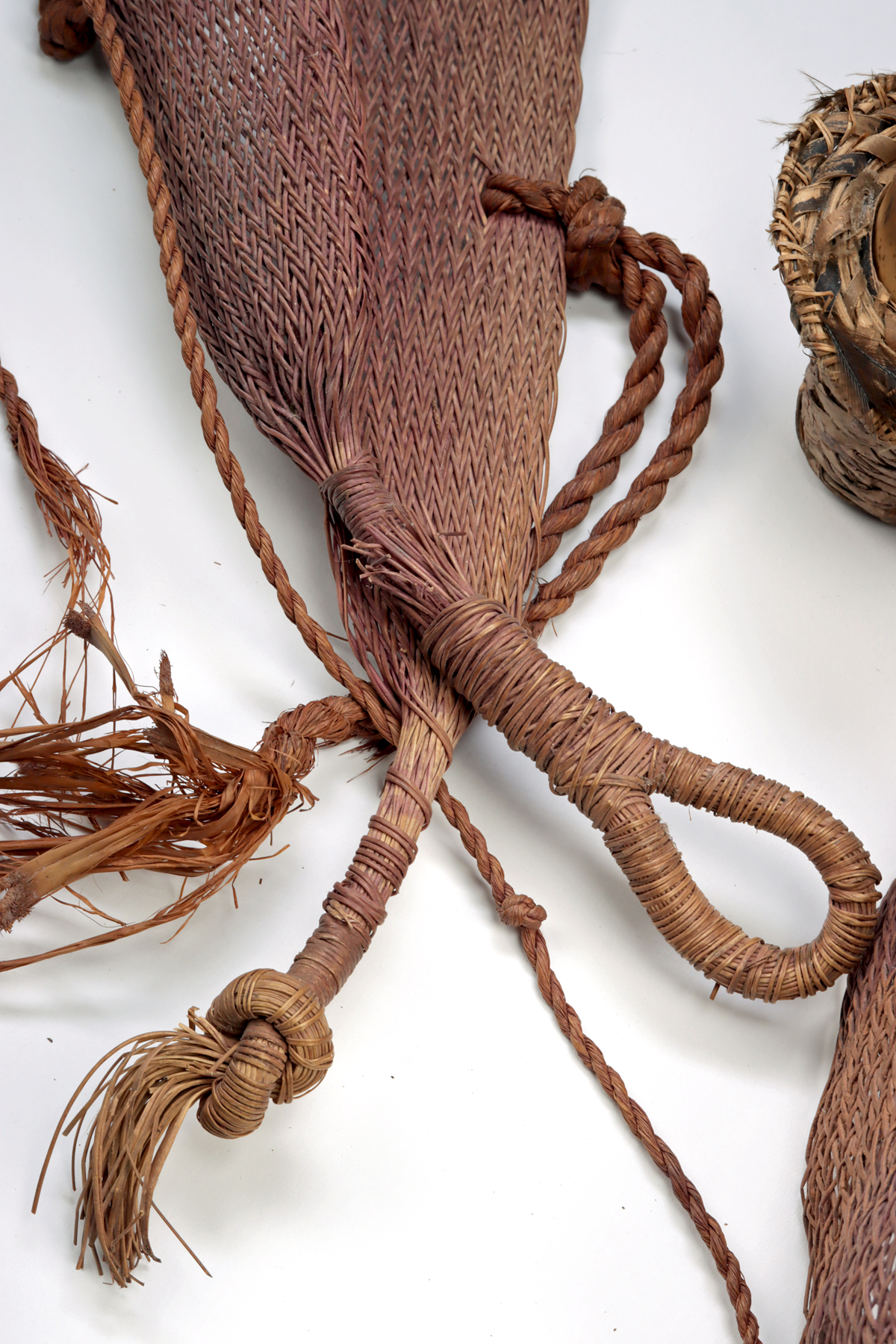
Lot 121, Auction 4/3/2026: Papua New Guinea Bamboo & Vegetal Fiber Implements
Add to cart -


Lot 119, Auction 4/3/2026: Papua New Guinea Yimam Yipwon Spirit Figure – Korewori
Add to cart -


Lot 117, Auction 4/3/2026: Dayak Wood Bound Captive Figure w/ Horse Hair Rope
Add to cart -


Lot 116, Auction 4/3/2026: Borneo Dayak Wood Ancestral Figure, Hampatong Guardian
Add to cart -


Lot 112, Auction 4/3/2026: Two African Wood Nude Figures – Bembe & Chamba
Add to cart