Lot 31, Auction 3/19/2026: Chinese Sui Straw-Glazed Pottery Attendant Figure
Sold
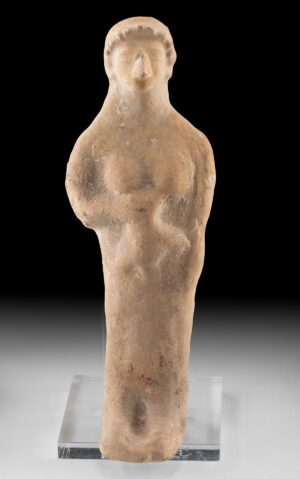
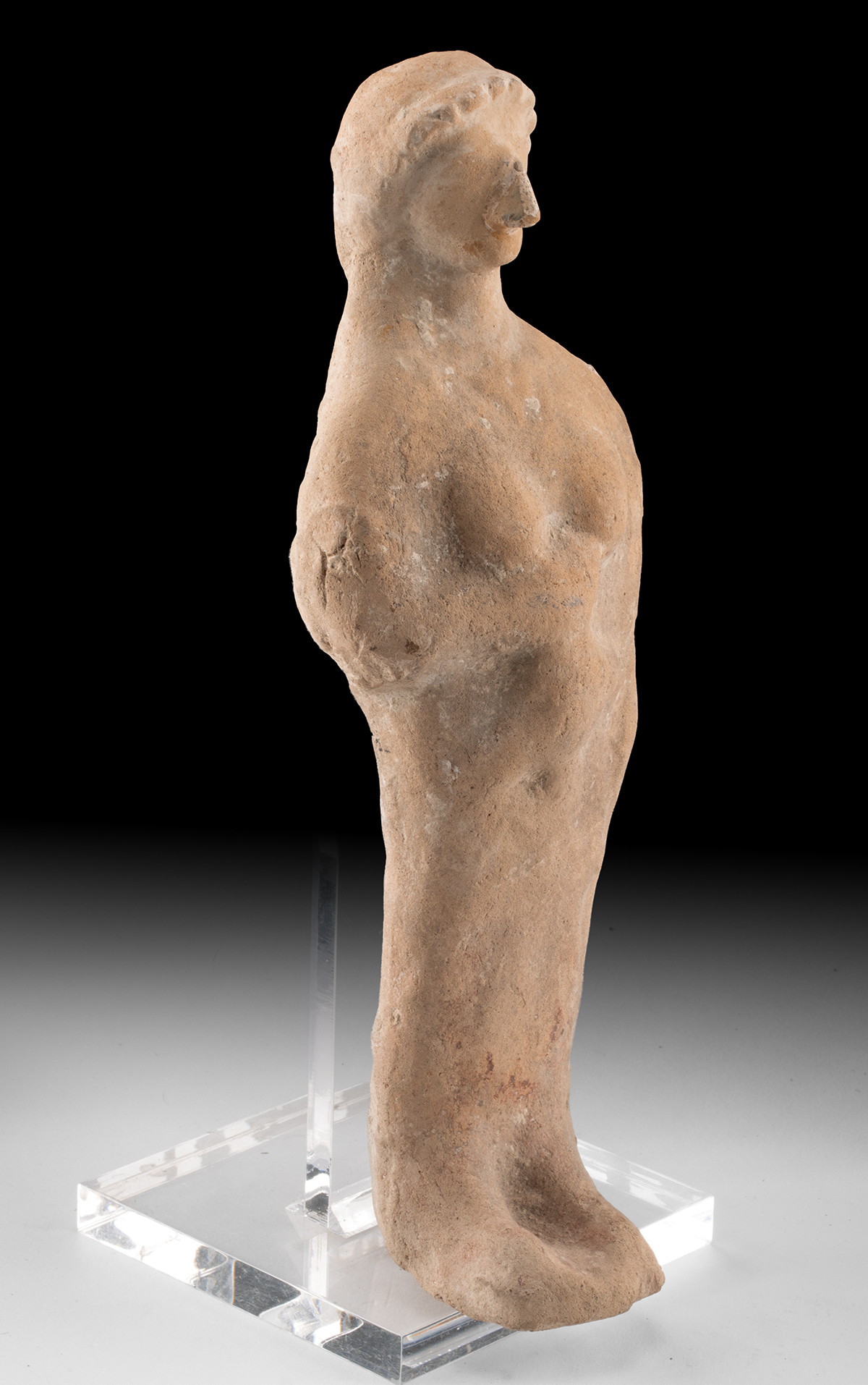
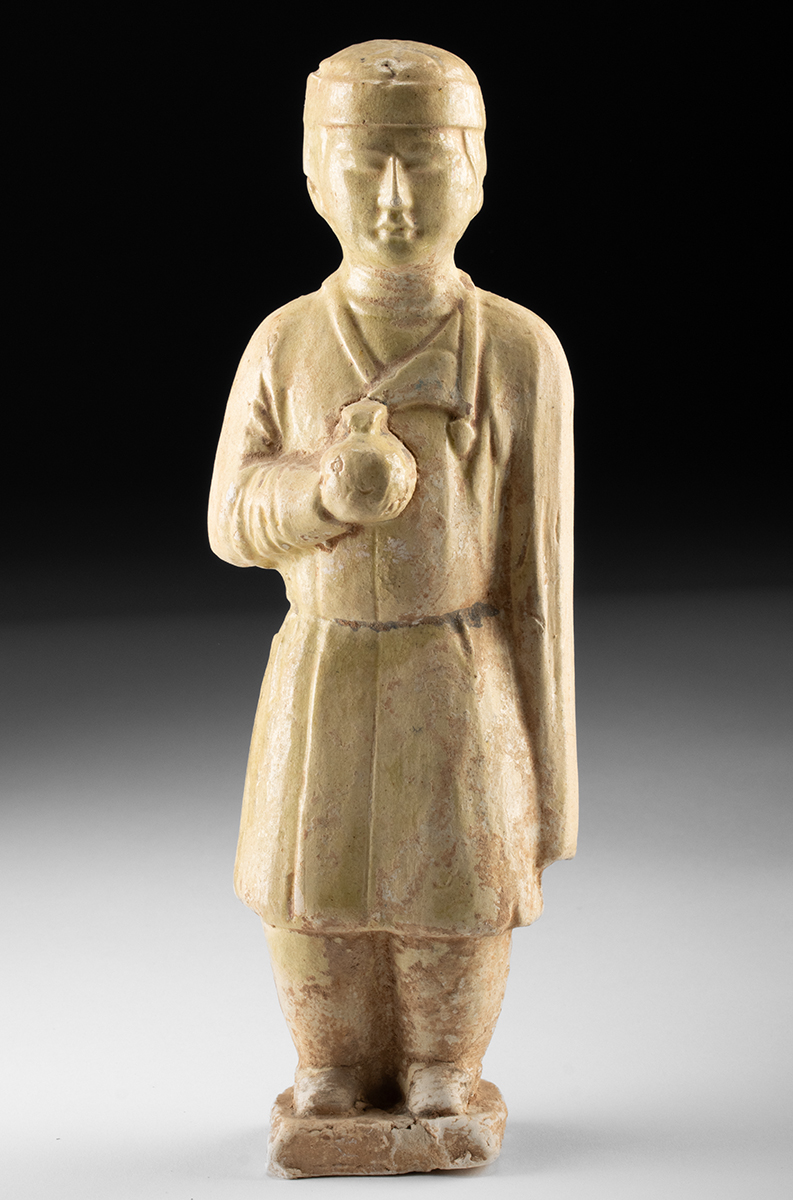
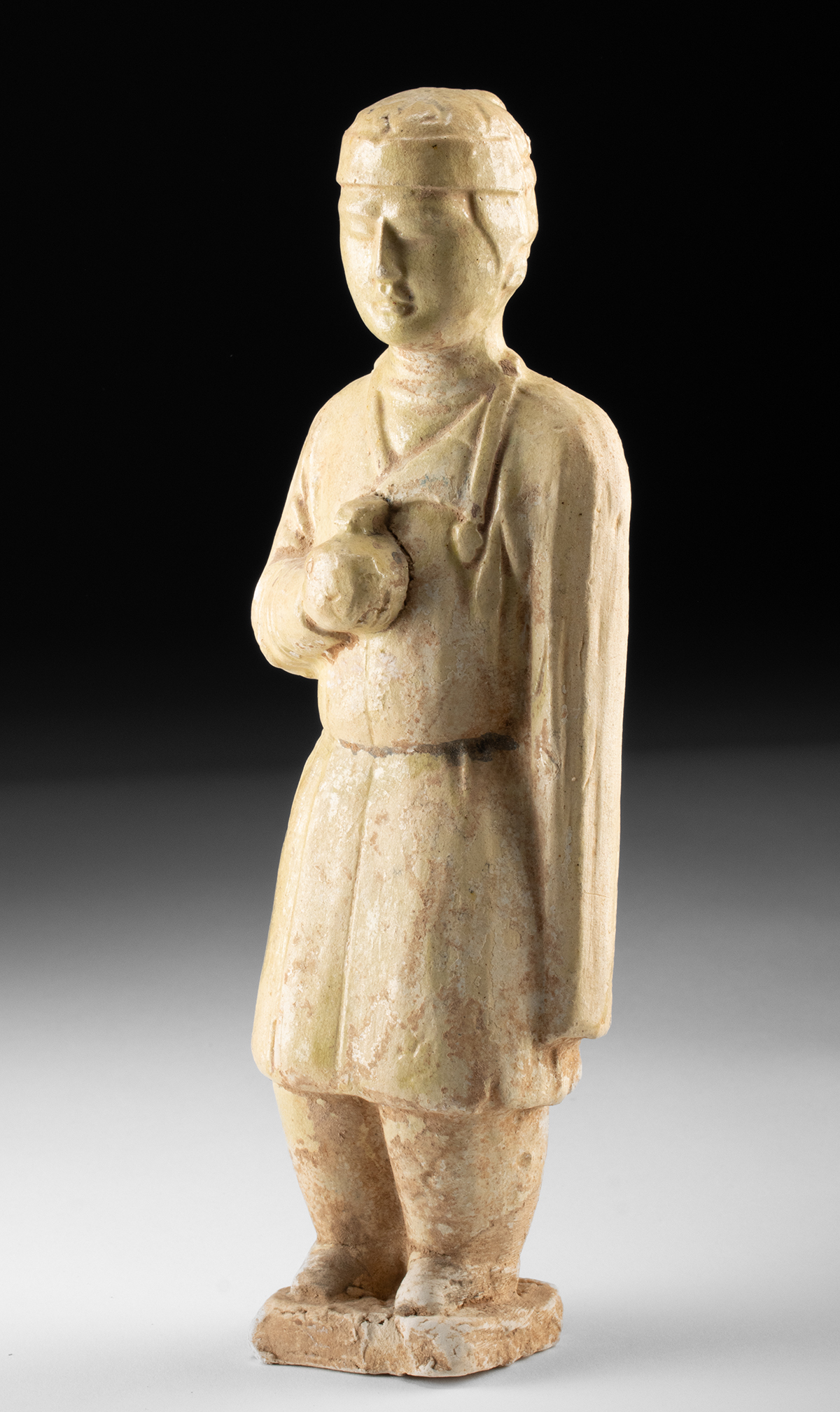
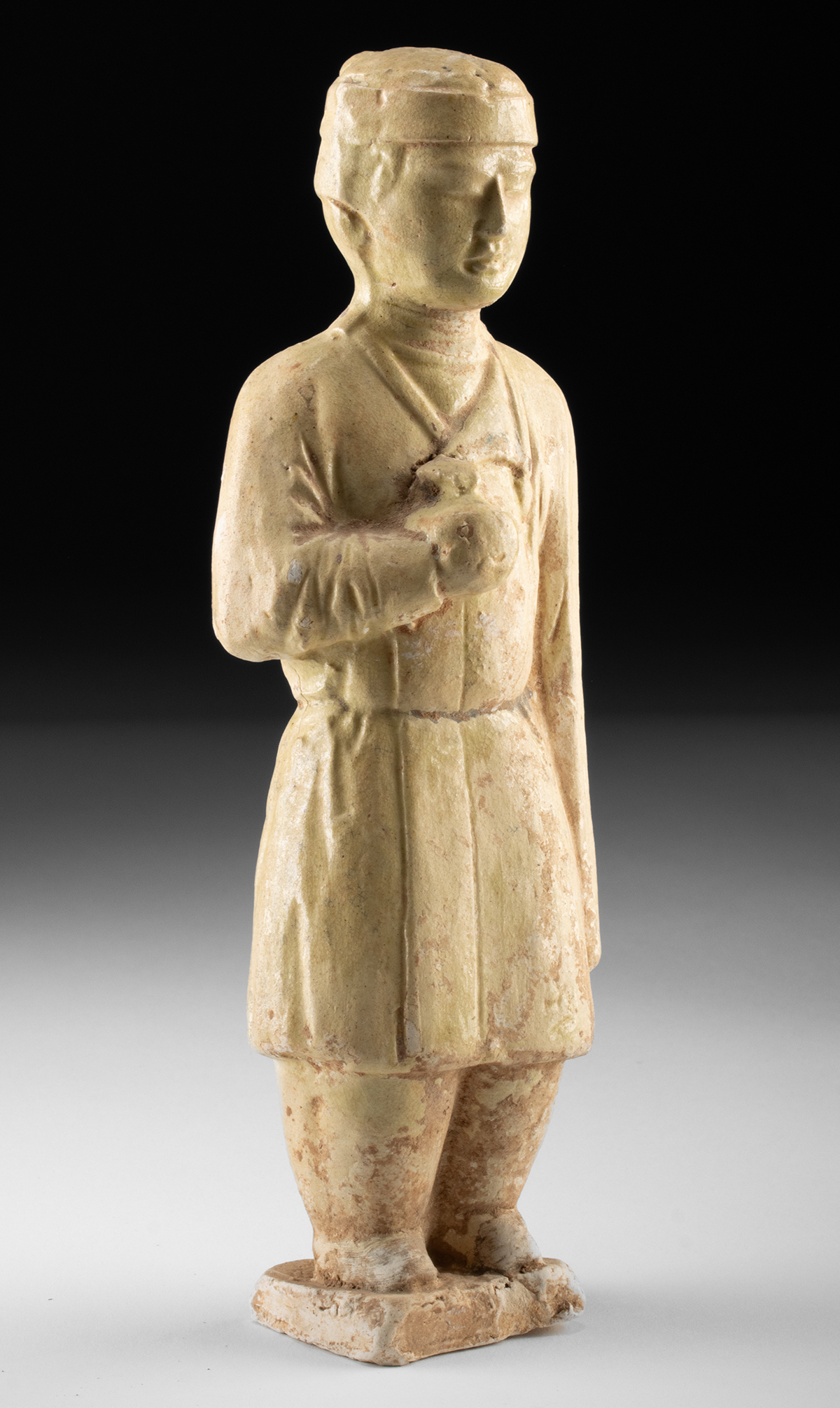
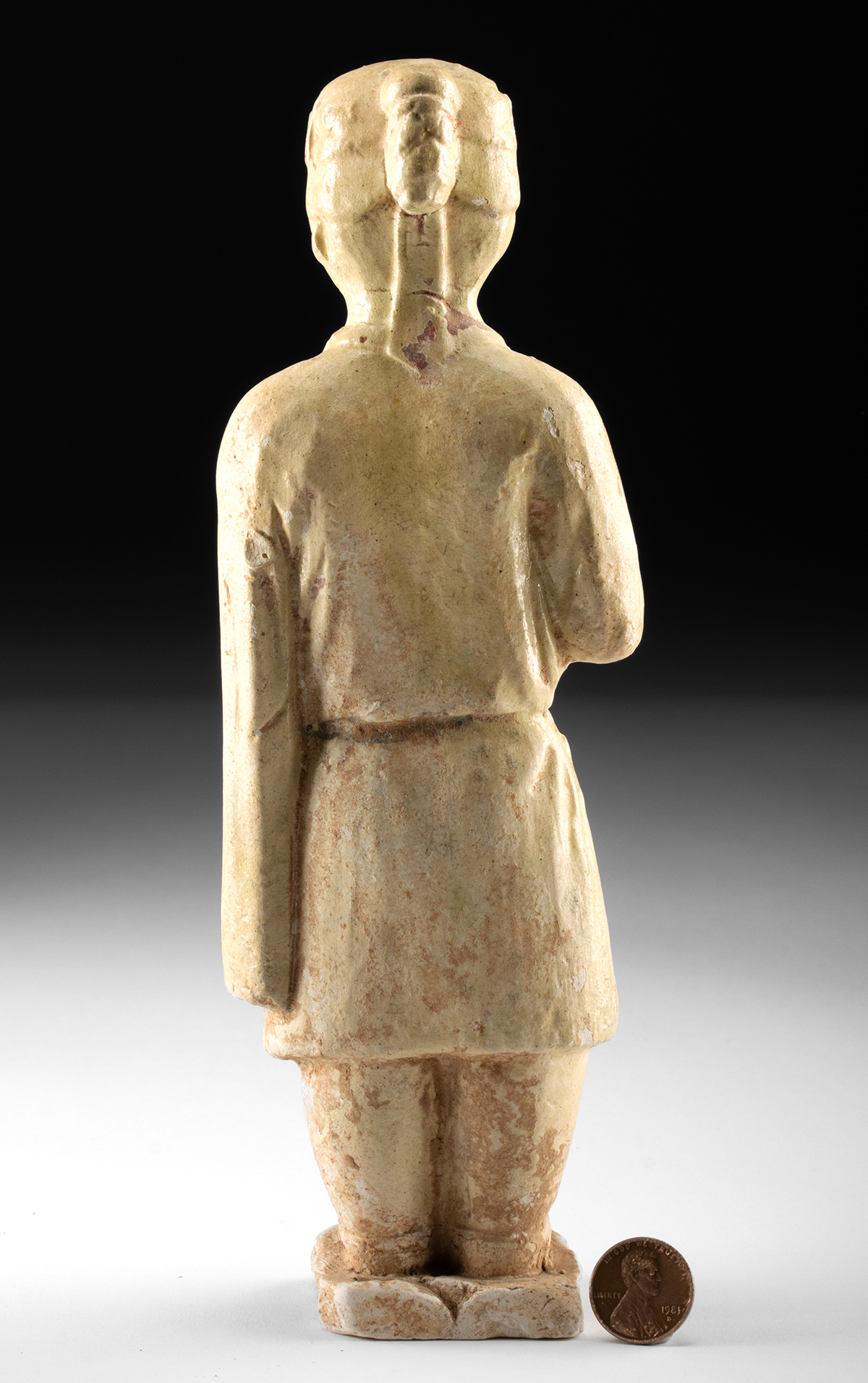
East Asia, China, Sui Dynasty, ca. 581 to 618 CE. A quiet figure of service and ritual presence, this straw-glazed pottery attendant stands in composed stillness, embodying the transitional elegance of early medieval China. Modeled in earthenware and covered with a pale straw glaze, the figure wears a knee-length robe tied at the waist, its folds simply indicated yet rhythmically balanced. The surface retains soft variations in tone where the glaze has pooled and thinned, allowing the clay body to show through in places. Traces of burial wear and mineral accretion lend the figure a softened, time-worn presence that underscores its funerary origin. The attendant holds a rounded vessel close to the chest with one hand, while the other arm hangs calmly at the side. This gesture suggests the offering of wine, food, or ritual goods, a role commonly assigned to tomb figures intended to serve the deceased in the afterlife. Size: 3.1″ W x 9″ H (7.9 cm x 22.9 cm)
The face is gently modeled with downcast eyes and a restrained expression, conveying humility and attentiveness rather than individual portraiture. A simple cap or headband frames the head, marking rank and function within a hierarchical courtly context.
Figures of this type were placed in elite Sui dynasty tombs as mingqi, or spirit objects, bridging the living world and the realm beyond. The Sui period, though brief, played a critical role in unifying China after centuries of division, and its funerary art reflects both lingering Han traditions and emerging Tang stylistic clarity. Straw-glazed wares in particular represent an important technical and aesthetic step toward the more elaborate sancai glazes that would flourish in the Tang dynasty. With its understated modeling, subdued glaze, and gesture of offering, this Sui dynasty attendant figure stands as a quietly eloquent testament to devotion, duty, and the belief in continued service beyond death.
Condition: A few nicks, chips, and abrasions, commensurate with age, but, otherwise, intact and excellent with nice remaining detail and scattered earthen deposits.
Provenance: private Colorado, USA collection; ex-private Los Angeles, California, USA collection; ex-major gallery, Beverly Hills, California, USA, primarily acquired between 1985 and 2005
All items legal to buy/sell under U.S. Statute covering cultural patrimony Code 2600, CHAPTER 14, and are guaranteed to be as described or your money back.
A Certificate of Authenticity will accompany all purchases.
We ship worldwide and handle all shipping in-house for your convenience.
Related Products
-


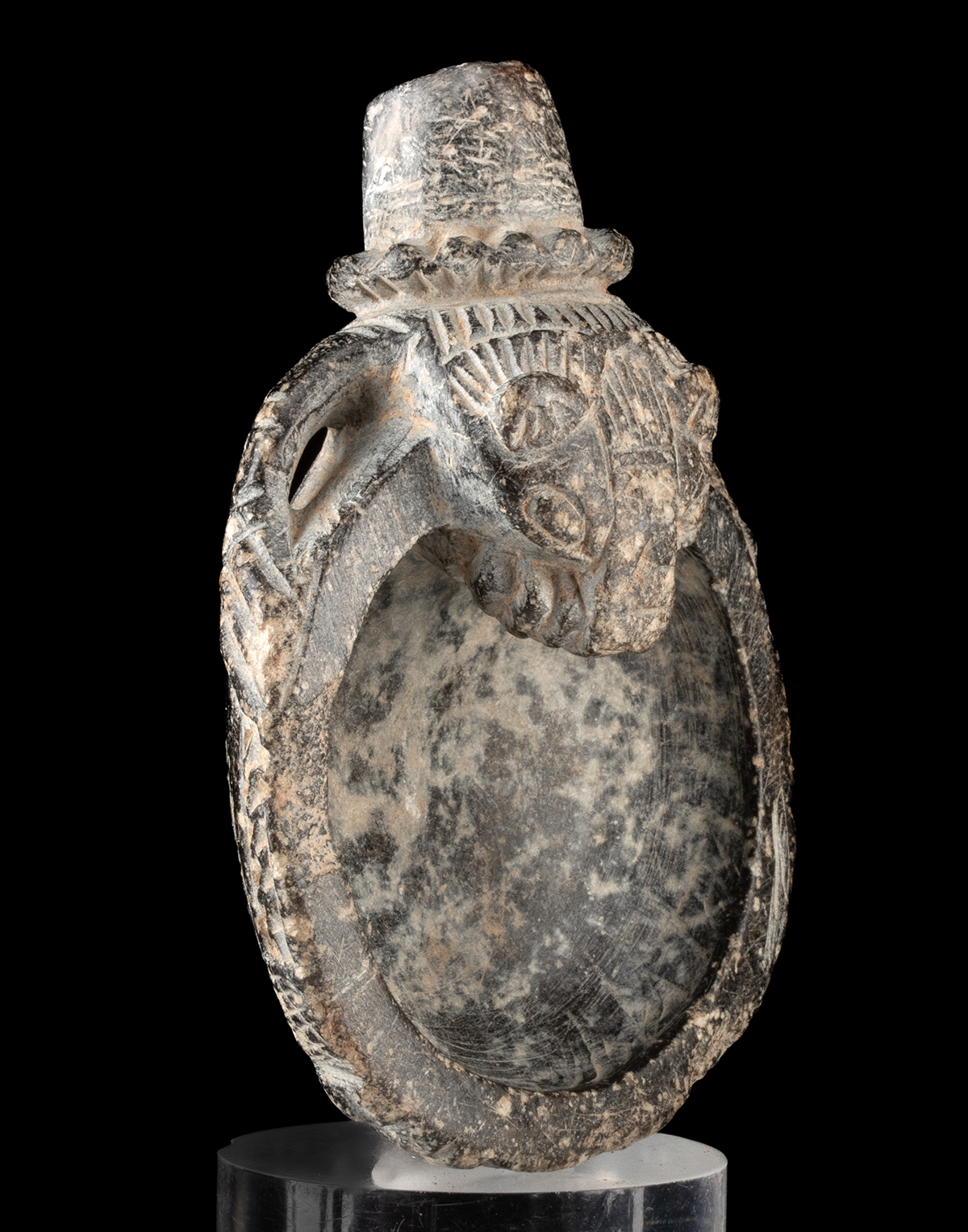
Lot 152a, Auction 4/3/2026: Mesopotamian Stone Libation Bowl Lion Effigy
Add to cart -


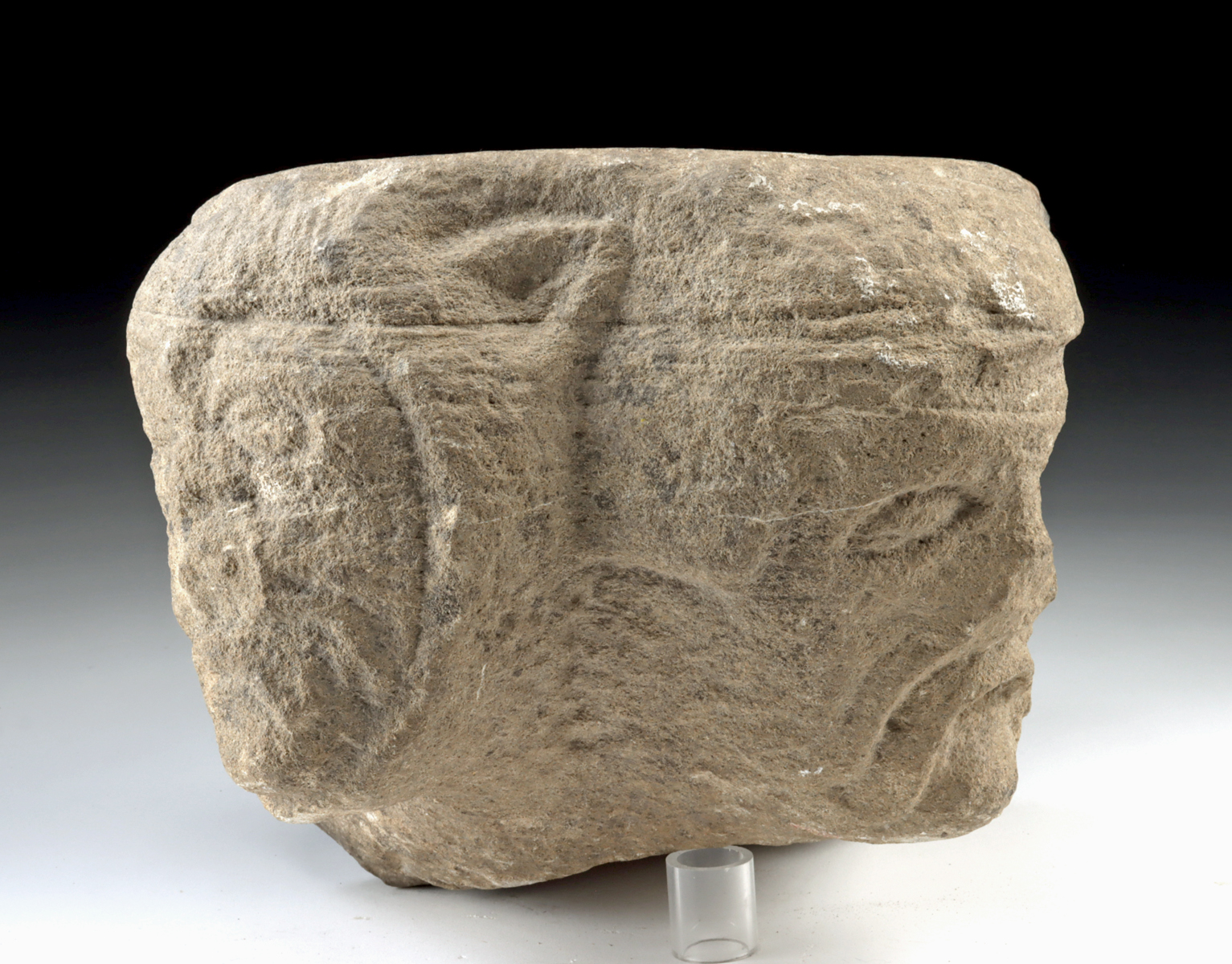
Lot 150, Auction 4/3/2026: 12th C. Medieval Stone Corbel with Dual Faces
Add to cart -


Lot 135, Auction 4/3/2026: Eastern Greek Archaic Terracotta Votive – Woman w/ Bird
Add to cart -


Lot 130, Auction 4/3/2026: Ancient Egyptian Ptolemaic Pottery Figurine Fragments
Add to cart -


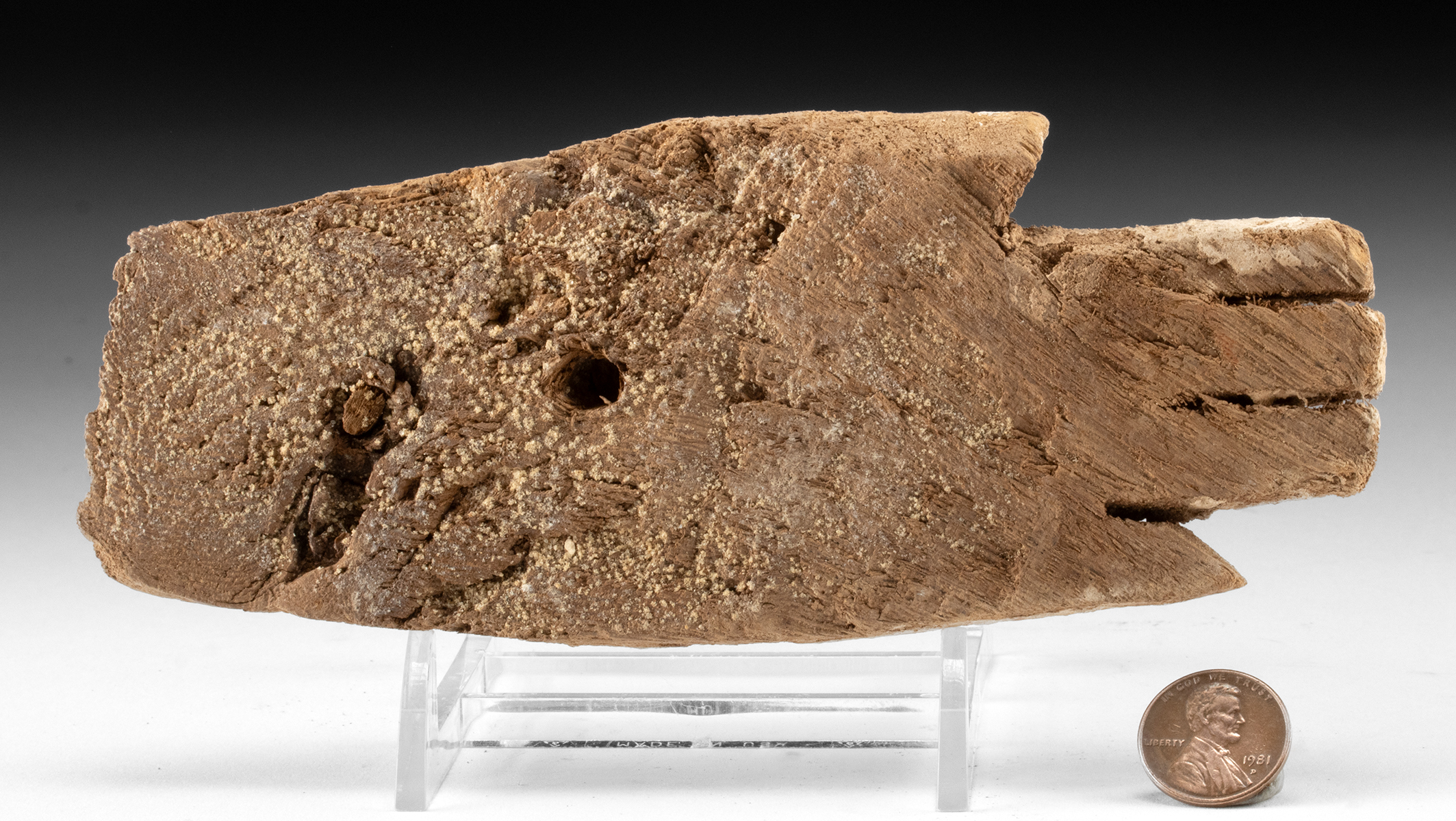
Lot 126, Auction 4/3/2026: Egyptian Painted Wood Hand – Late Dynastic Sarcophagus
Add to cart -


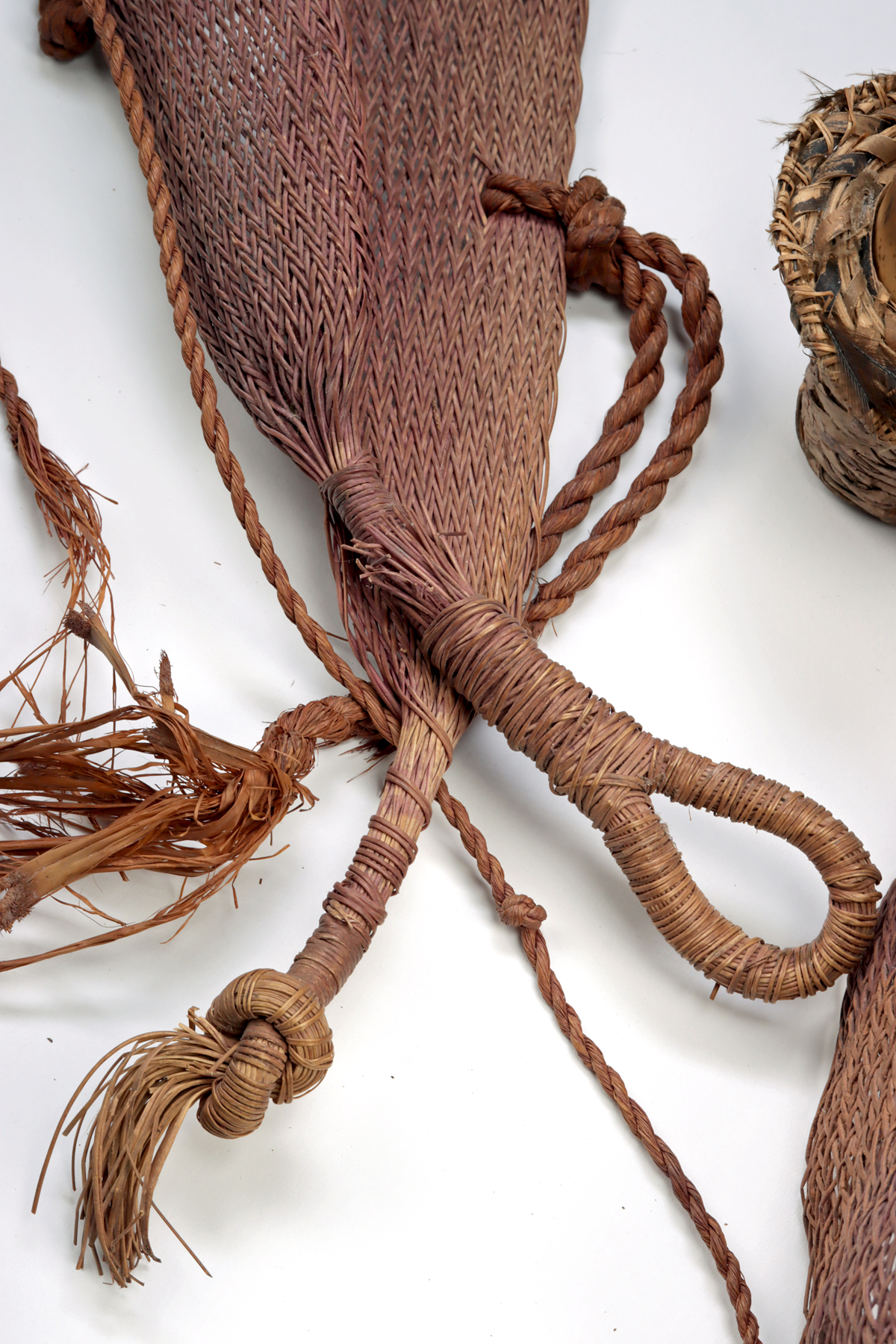
Lot 121, Auction 4/3/2026: Papua New Guinea Bamboo & Vegetal Fiber Implements
Add to cart -


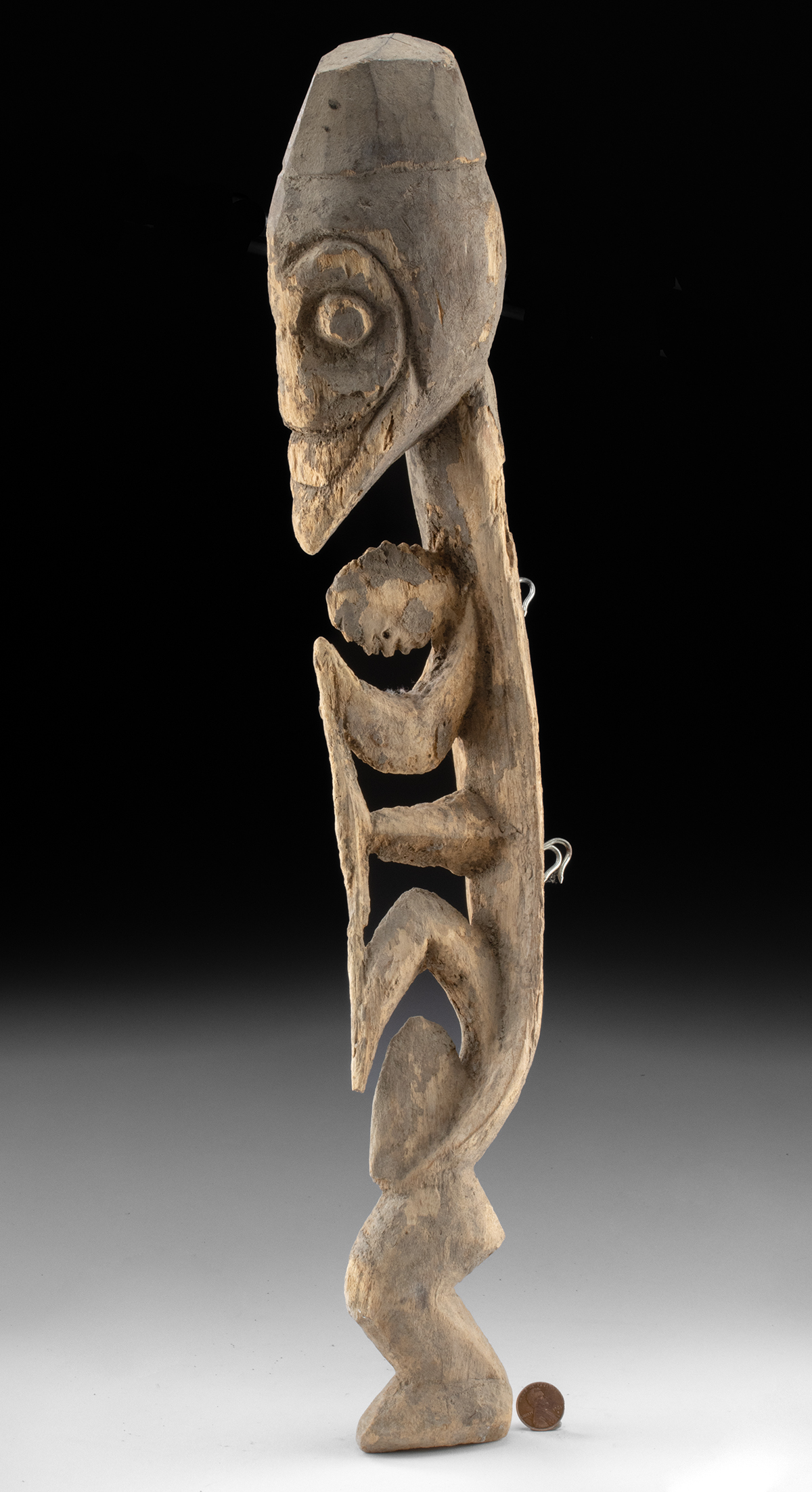
Lot 119, Auction 4/3/2026: Papua New Guinea Yimam Yipwon Spirit Figure – Korewori
Add to cart -


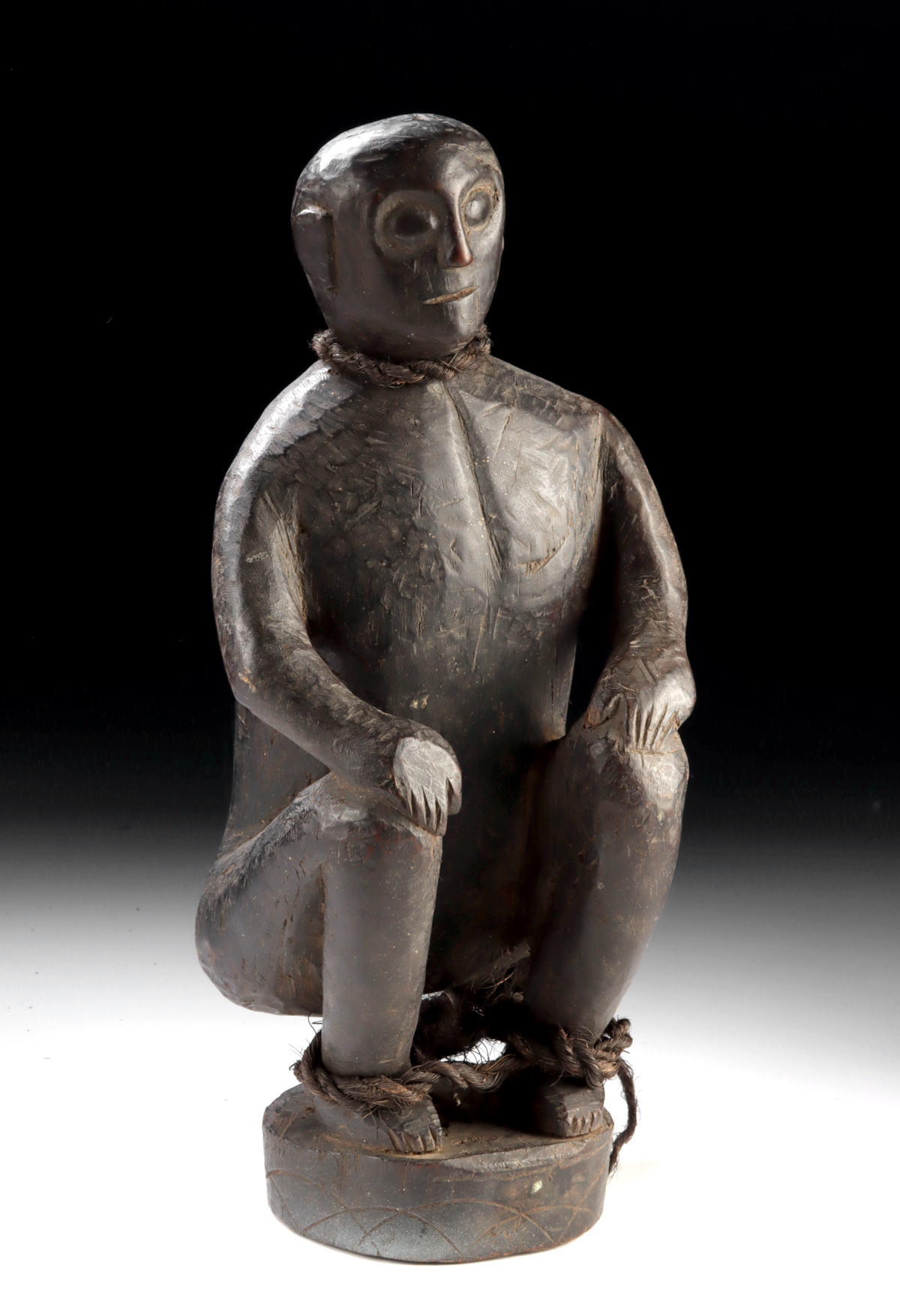
Lot 117, Auction 4/3/2026: Dayak Wood Bound Captive Figure w/ Horse Hair Rope
Add to cart -


Lot 116, Auction 4/3/2026: Borneo Dayak Wood Ancestral Figure, Hampatong Guardian
Add to cart -


Lot 112, Auction 4/3/2026: Two African Wood Nude Figures – Bembe & Chamba
Add to cart