Lot 283, Auction 3/19/2026: 19th C. Luba Female Bowl Bearing Figure – Mboko
$1,235.00
In stock
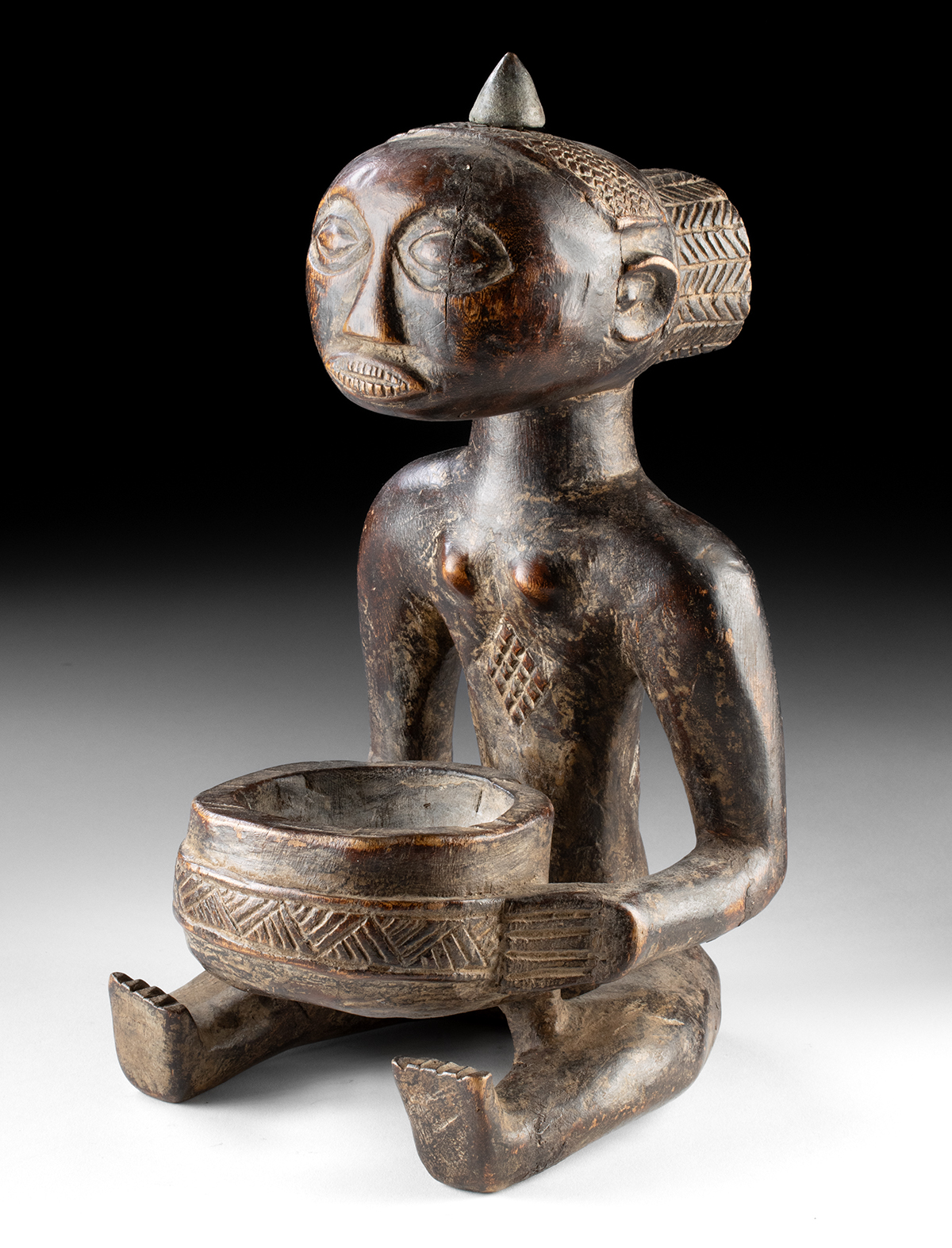
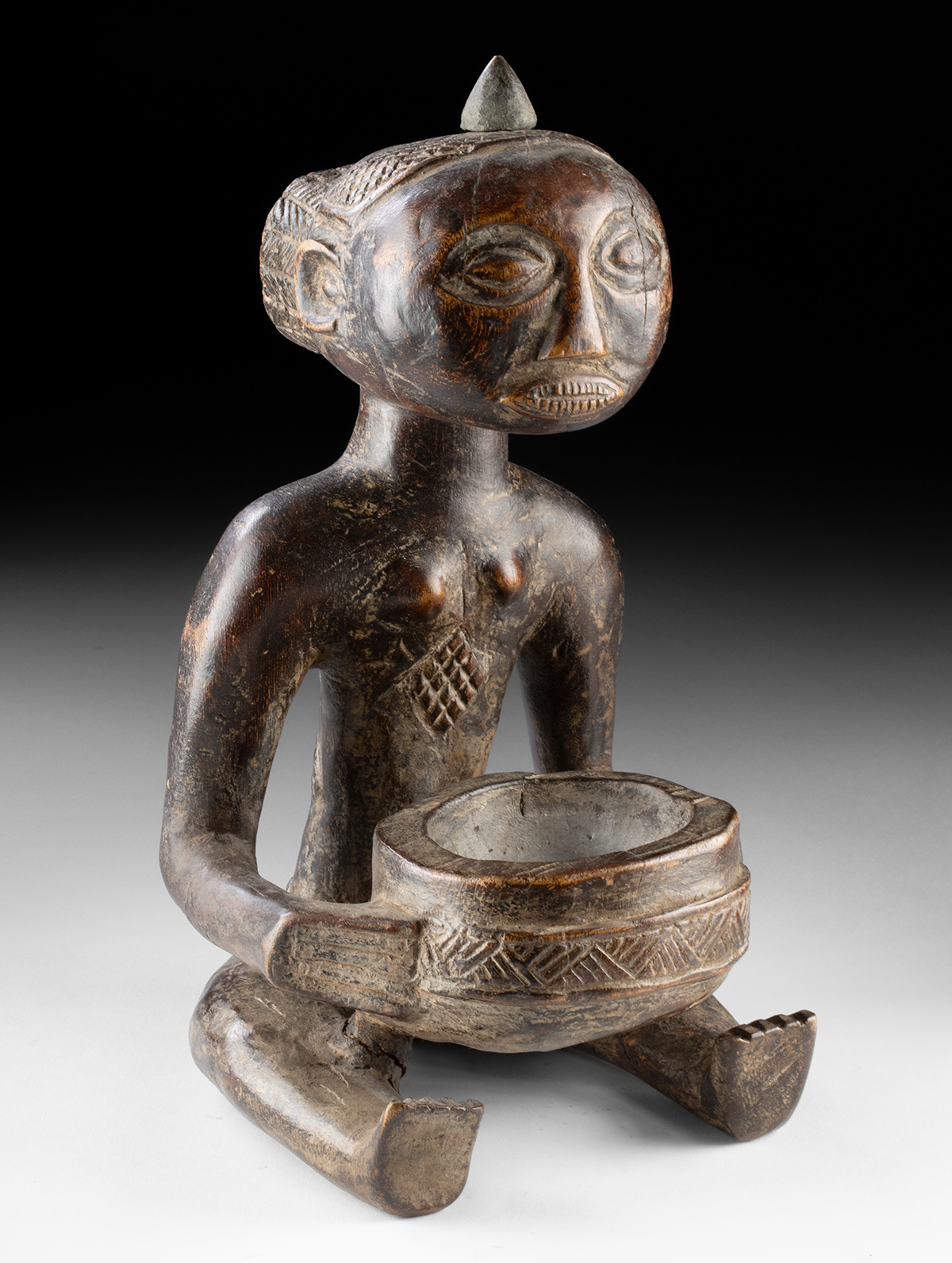
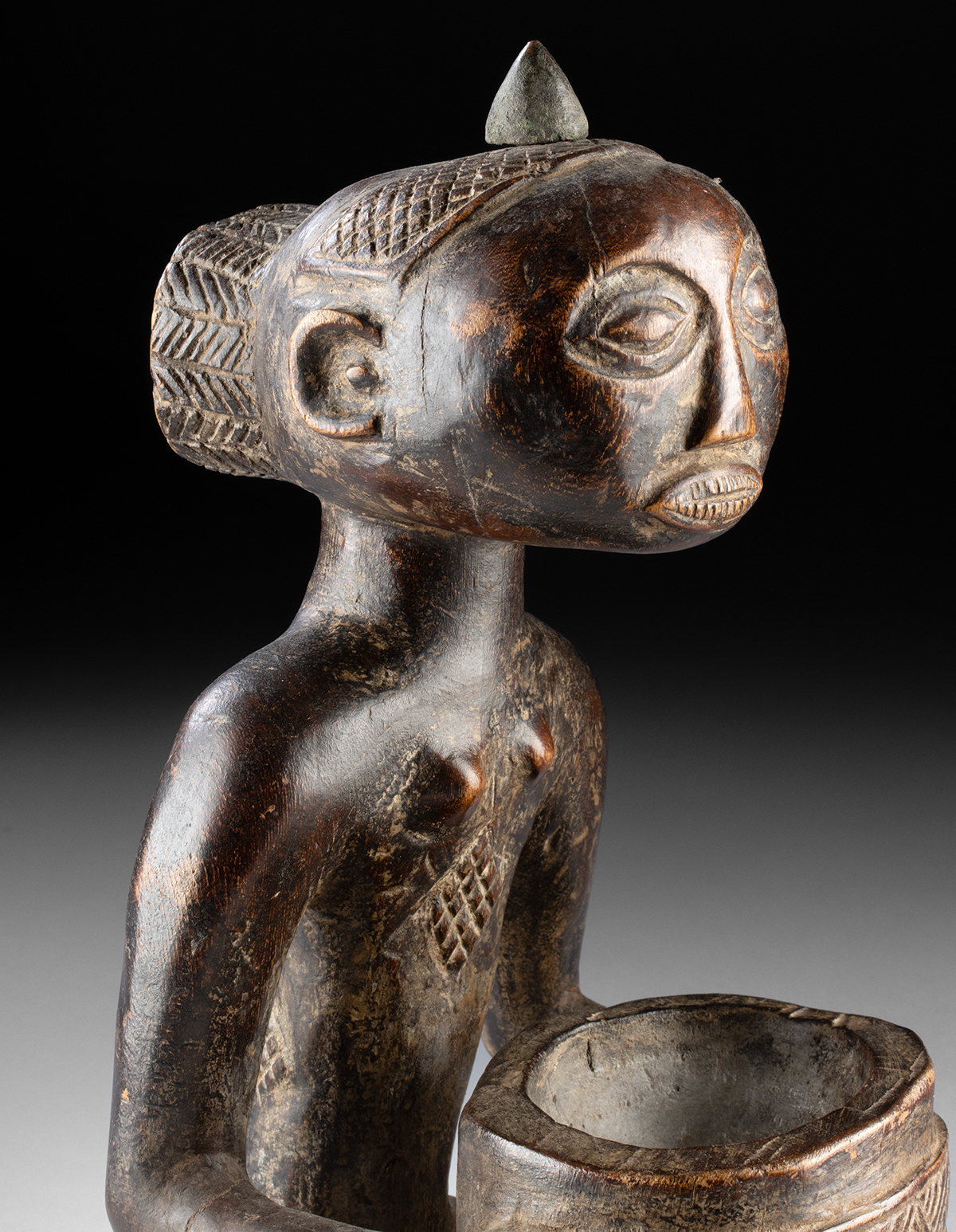
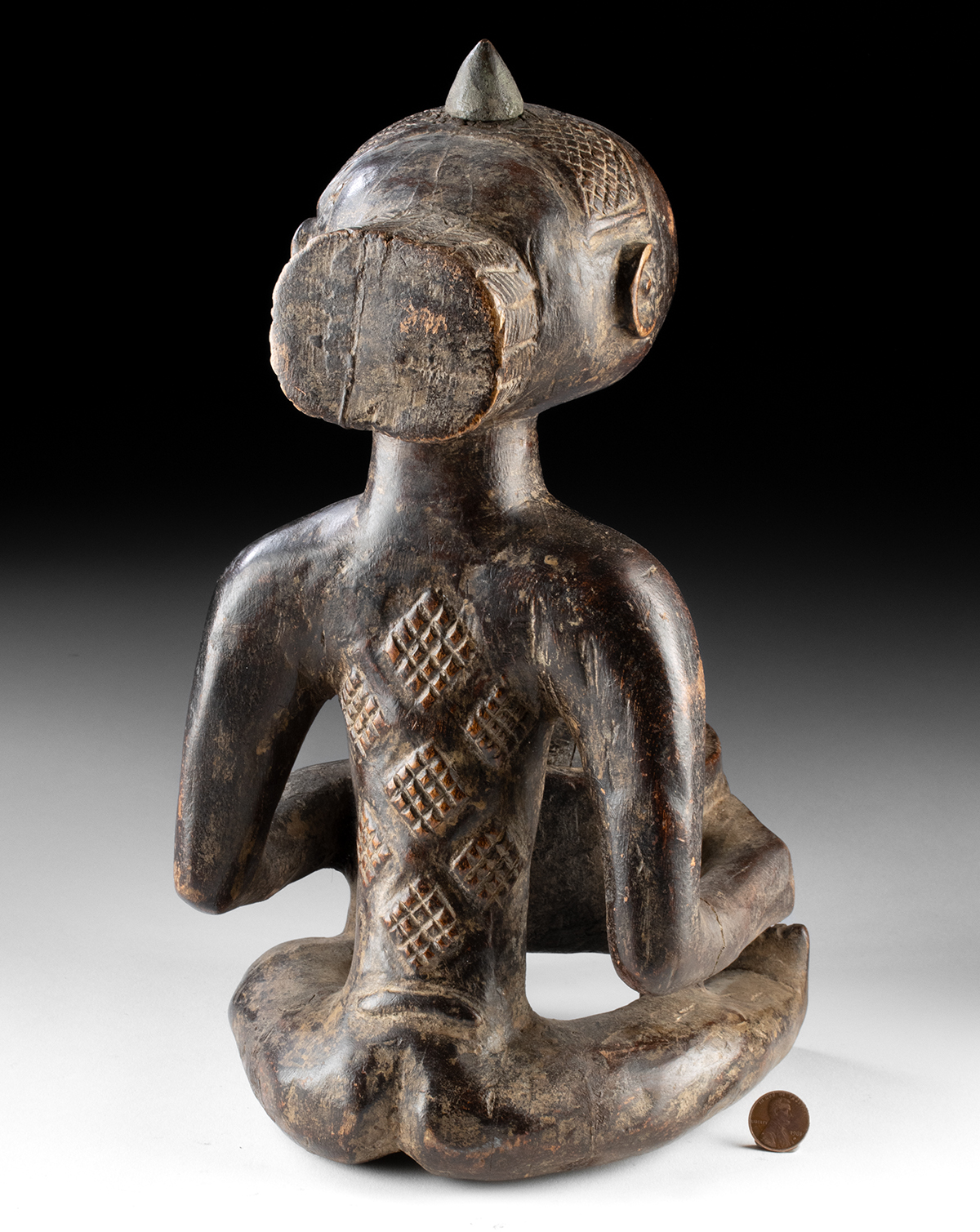
Central Africa, Democratic Republic of the Congo, Luba, ca. 19th to early 20th century CE. A dignified Luba mboko figure sits poised in quiet authority, her elongated form presenting a carved bowl once filled with sacred white clay. Nude and composed, she balances the vessel across her bent legs, arms extended forward in a gesture of offering and revelation. A small copper spike rises from the crown of her head, a subtle yet potent accent that draws the eye upward and underscores her spiritual charge. Carved from dense hardwood with a deep, lustrous patina, the figure embodies the refined aesthetic of Luba royal art. The smooth planes of her torso contrast with carefully incised diamond-shaped scarification at the chest, waist, and back. These ceremonial marks enhance her beauty, and in Luba thought, beauty is not decorative but functional – it determines efficacy. An object of grace is an object that works. Size: 7.2″ L x 6.5″ W x 12.8″ H (18.3 cm x 16.5 cm x 32.5 cm)
Seated female bowl bearers are known as mboko or kabila, terms referring to both the figure and the sacred vessel she carries. The bowl traditionally held pemba or mpemba, a white chalk associated with purity, renewal, and the spirit world. Traces of this powder often cling to such figures, evidence of their ritual life. These sculptures were primarily used by royal diviners as oracles, recalling the first mythical Luba diviner, Mijibu wa Kalenga. Through them, knowledge was visualized, futures were interpreted, and political authority was affirmed.
In the great kingdoms of the central Congo region – particularly across Kasai, Katanga, and southern Kivu – the Luba developed an aristocratic court art intimately tied to the centralization of power. Though filiation was patrilineal, a ruler’s political and spiritual authority was transmitted through his mother. Women held sacred and often hidden authority, playing decisive roles in alliance-building, succession, and investiture rituals. The Mwadi, a woman embodying the memory and spirit of a deceased king, served as a vital spiritual medium. Thus the mboko figure is far more than a container. She is an icon of legitimacy and sacred knowledge, linking divination to the very origins of the Luba state. With her serene expression, balanced posture, and luminous surface, this example stands as a compelling testament to one of Africa’s most sophisticated royal sculptural traditions.
Condition: Professional repairs to proper right arm and leg with break lines visible. Nicks and abrasions to surface. Otherwise, nice remaining detail and rich patina throughout. Good remains of white earth in vessel.
Provenance: private Santa Fe, New Mexico USA collection
All items legal to buy/sell under U.S. Statute covering cultural patrimony Code 2600, CHAPTER 14, and are guaranteed to be as described or your money back.
A Certificate of Authenticity will accompany all purchases.
We ship worldwide and handle all shipping in-house for your convenience.
Related Products
-


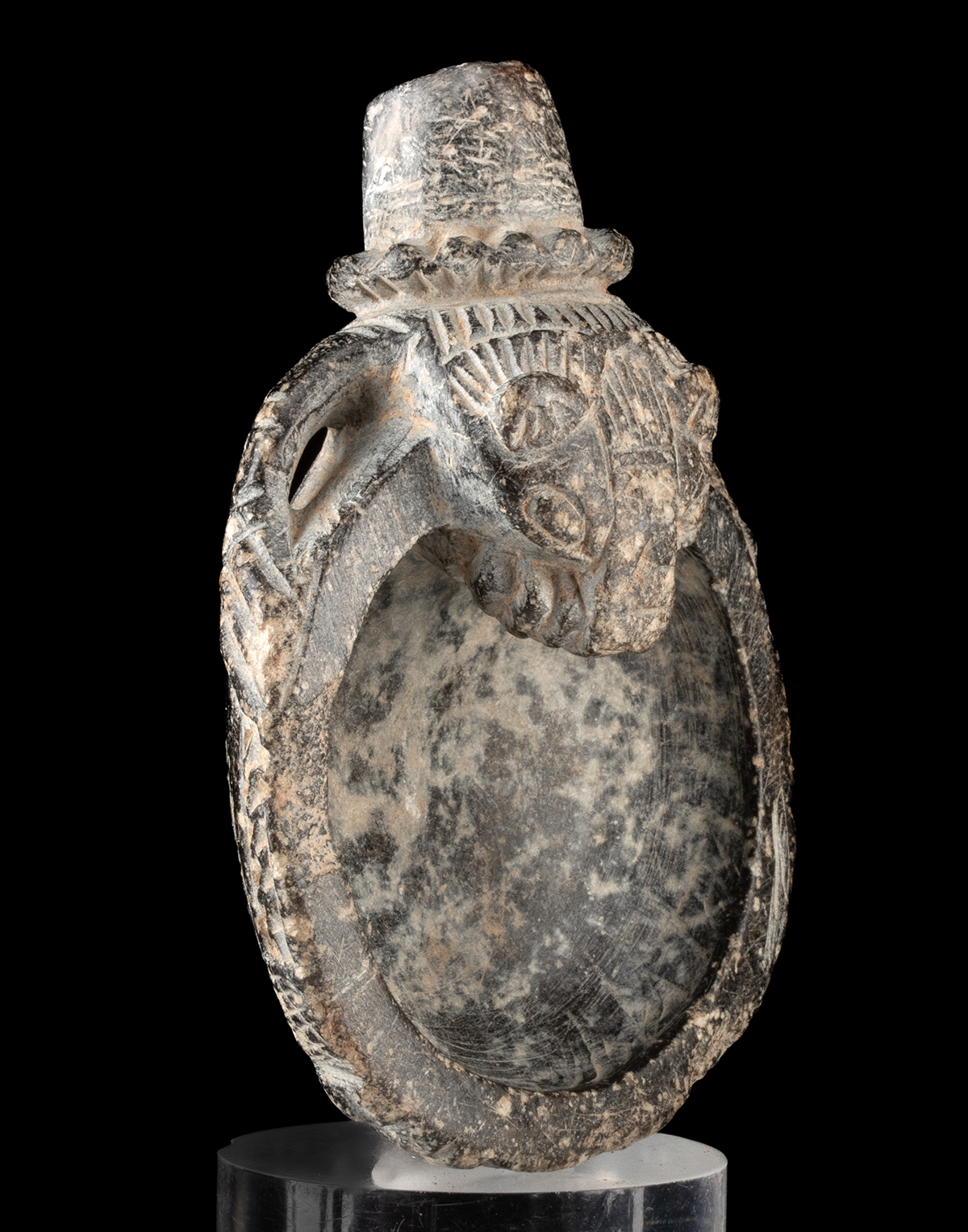
Lot 152a, Auction 4/3/2026: Mesopotamian Stone Libation Bowl Lion Effigy
Add to cart -


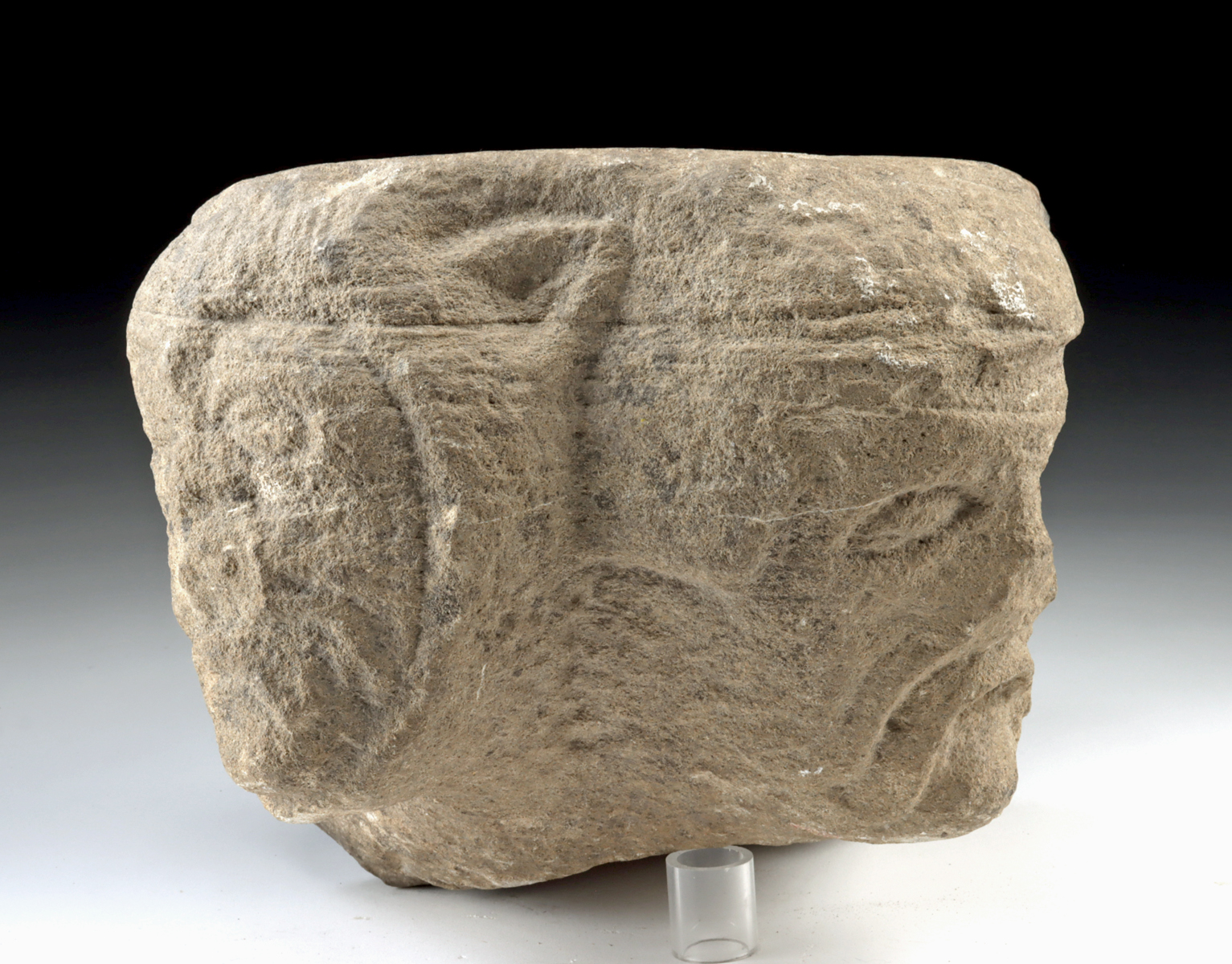
Lot 150, Auction 4/3/2026: 12th C. Medieval Stone Corbel with Dual Faces
Add to cart -


Lot 135, Auction 4/3/2026: Eastern Greek Archaic Terracotta Votive – Woman w/ Bird
Add to cart -


Lot 130, Auction 4/3/2026: Ancient Egyptian Ptolemaic Pottery Figurine Fragments
Add to cart -


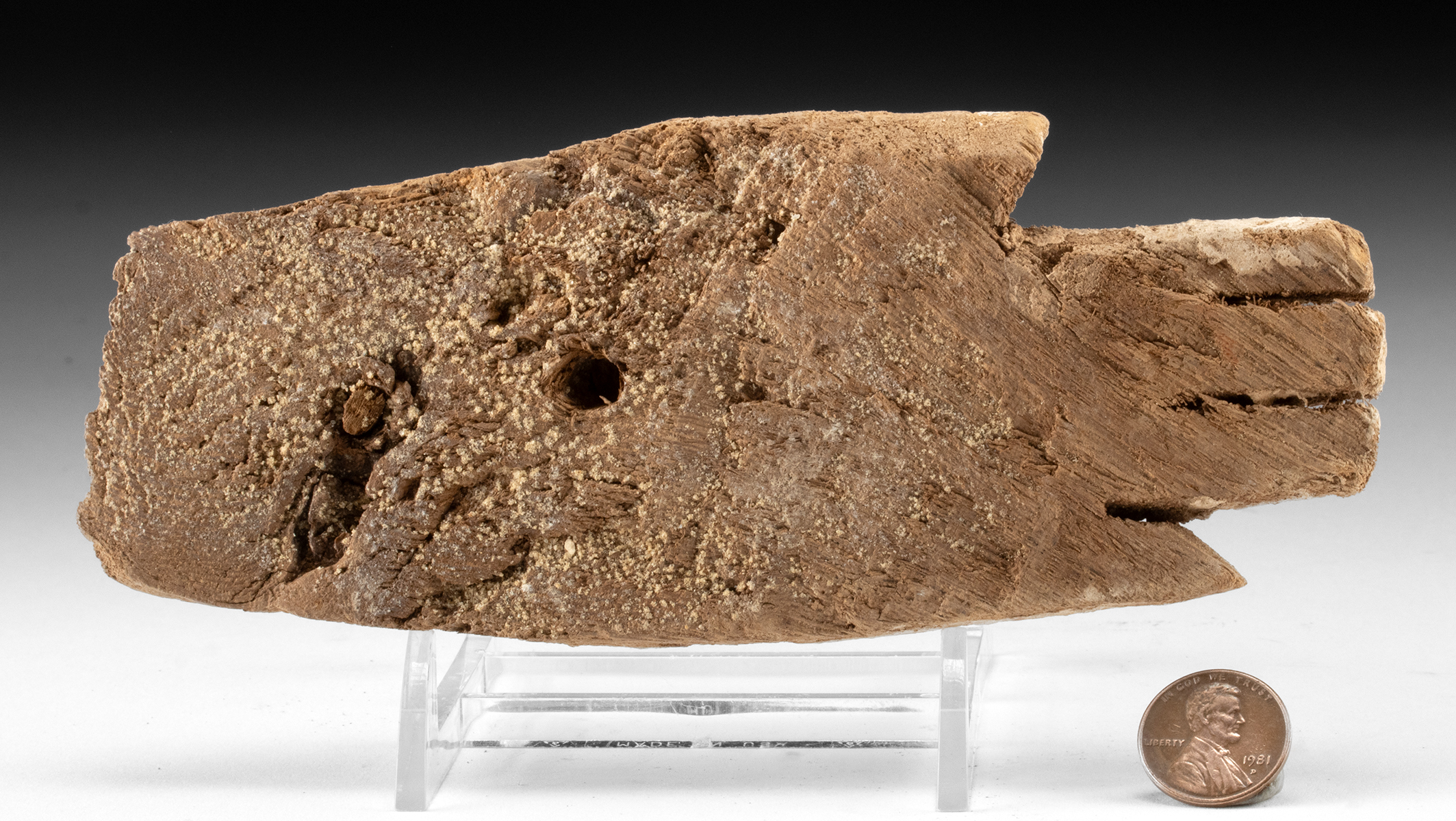
Lot 126, Auction 4/3/2026: Egyptian Painted Wood Hand – Late Dynastic Sarcophagus
Add to cart -


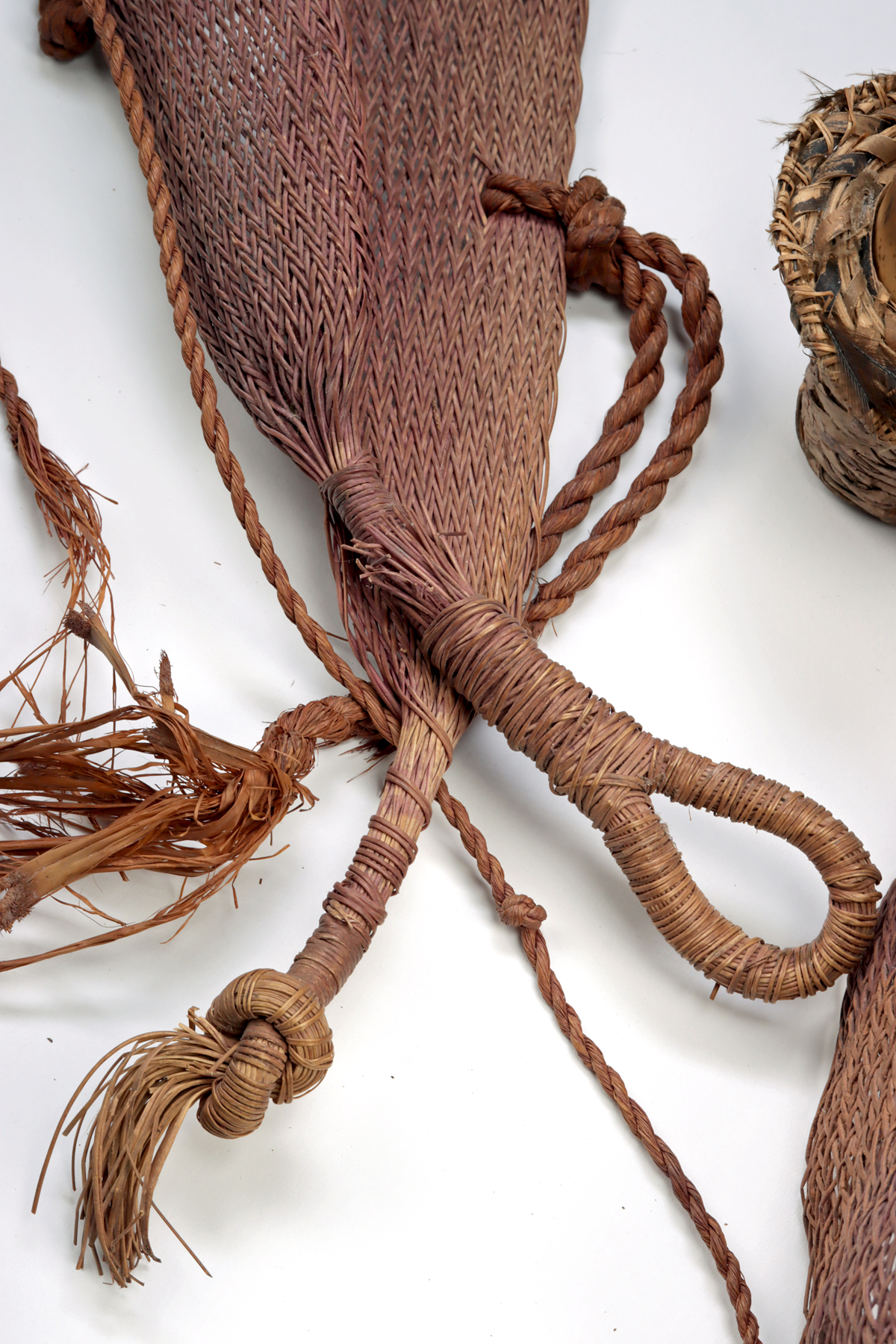
Lot 121, Auction 4/3/2026: Papua New Guinea Bamboo & Vegetal Fiber Implements
Add to cart -


Lot 119, Auction 4/3/2026: Papua New Guinea Yimam Yipwon Spirit Figure – Korewori
Add to cart -


Lot 117, Auction 4/3/2026: Dayak Wood Bound Captive Figure w/ Horse Hair Rope
Add to cart -


Lot 116, Auction 4/3/2026: Borneo Dayak Wood Ancestral Figure, Hampatong Guardian
Add to cart -


Lot 112, Auction 4/3/2026: Two African Wood Nude Figures – Bembe & Chamba
Add to cart