Lot 178, Auction 3/19/2026: Nayarit Seated Pregnant Female Effigy Figure
$390.00
In stock
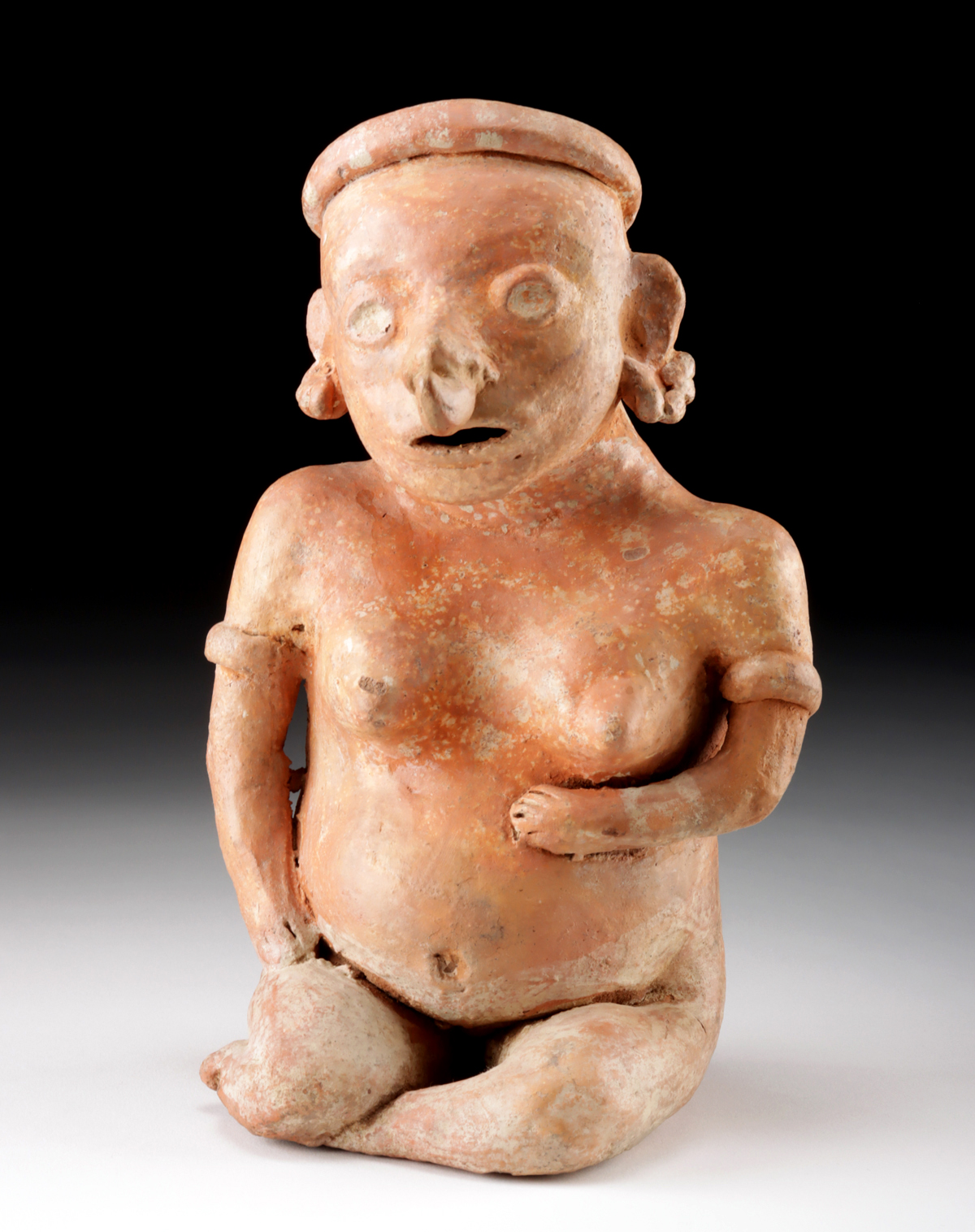
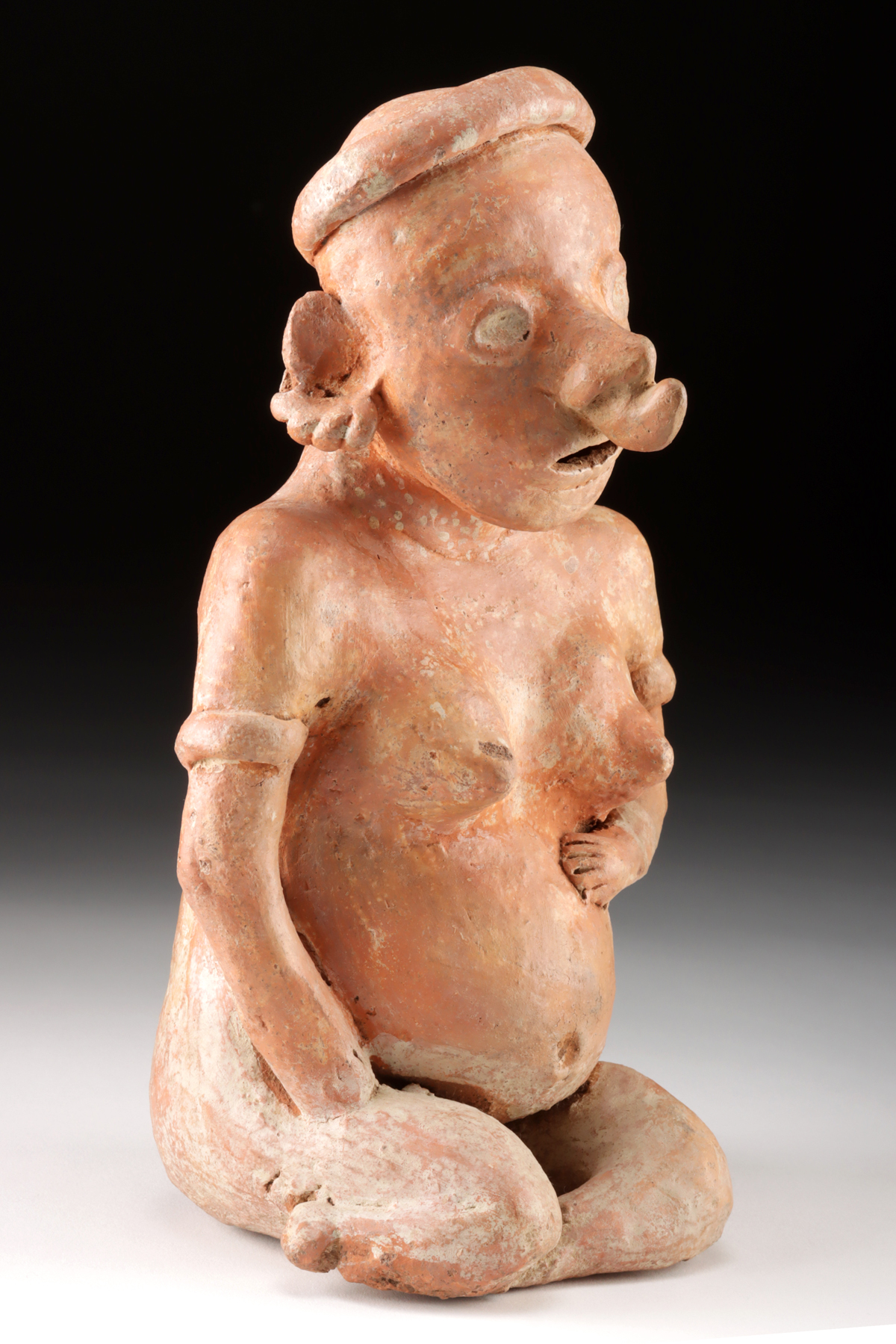
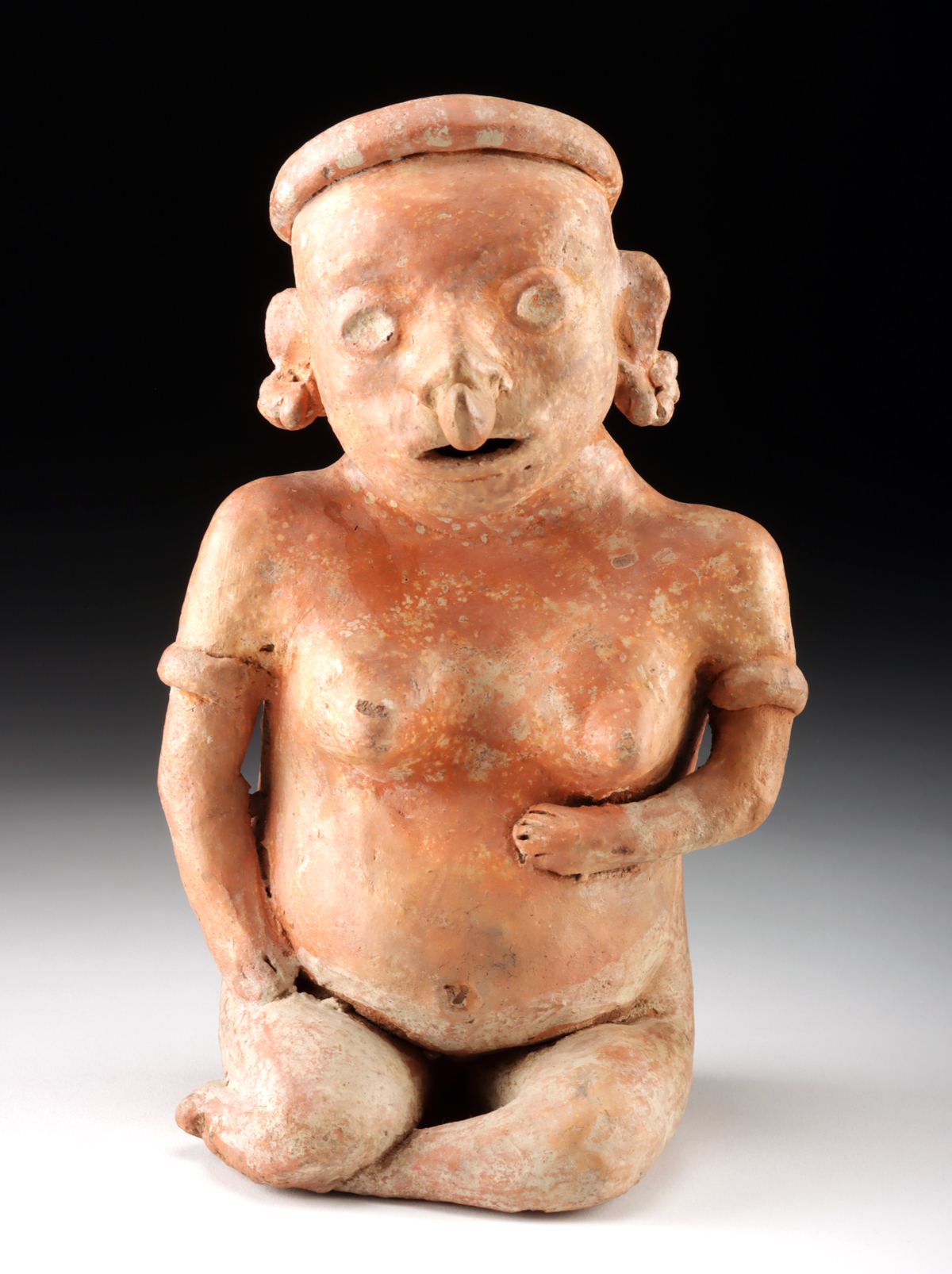
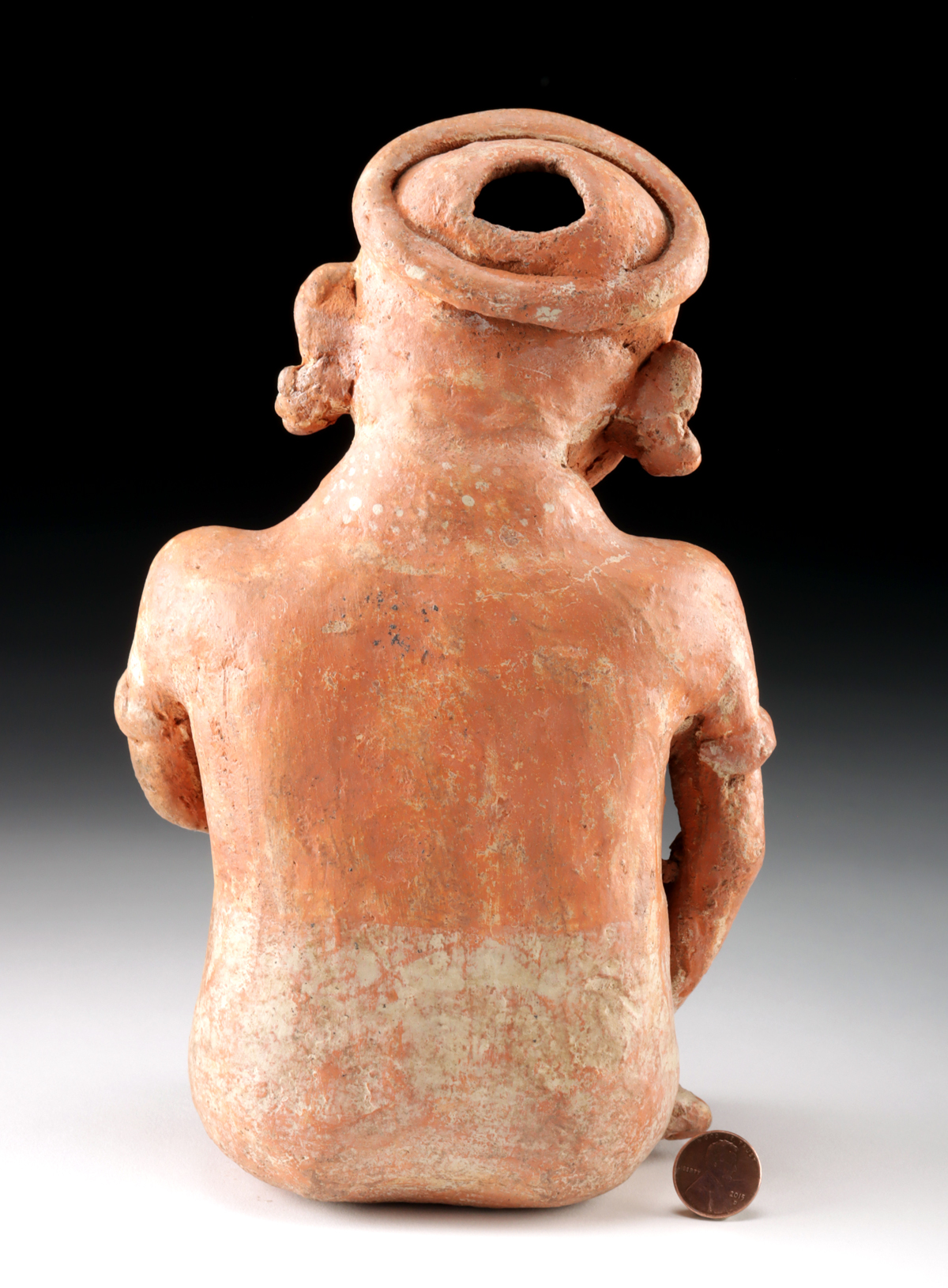
Pre-Columbian, West Mexico, Nayarit, ca. 300 BCE to 300 CE. An impressively intact Nayarit pottery nude pregnant female figure modeled in a seated pose of quiet gravity, her body turned with legs bent to one side in a posture that emphasizes both physical weight and interior stillness. The figure holds one hand firmly against her bulbous abdomen, while the other rests along her side, a gesture that draws immediate attention to pregnancy as both lived condition and symbolic state. Her exposed, pointed breasts underscore themes of fertility, nourishment, and transformation that recur throughout Nayarit figural sculpture. The swollen belly is rendered with deliberate emphasis, suggesting advanced pregnancy and reinforcing associations with creation, lineage, and continuity. The mouth is slightly open, lending the figure an expressive presence that suggests breath, speech, or ritual utterance rather than passive repose. Size: 4″ L x 5.5″ W x 9″ H (10.2 cm x 14 cm x 22.9 cm)
The face is adorned with a hooked septum ring, its exaggerated curve reminiscent of a death bubble, a motif frequently associated with breath, life force, and the liminal boundary between life and death in West Mexican iconography. Layered earrings hang from the ears, and a simple headband encircles the crown, while armbands accent the upper arms. These adornments signal social identity and ritual significance, marking the figure as more than a naturalistic depiction of the female body.
The surface shows areas of mineral accretion, wear, and firing variation consistent with age and burial context. Subtle mottling and pigment loss soften the contours, while preserving the sculptural clarity of the form. As with other Nayarit figures, the proportions are intentional rather than anatomical, reflecting a shared visual language rooted in symbolism and communal meaning.
Figures of this type are closely associated with Nayarit shaft tomb traditions, where seated pregnant women were placed alongside vessels and companion figures as part of complex mortuary assemblages. They likely functioned as embodiments of fertility, ancestral continuity, and the cyclical nature of life and death, carrying these concepts into the afterlife through clay, gesture, and form.
Condition: Some light surface wear with small nicks and abrasions as shown, but, otherwise, intact and excellent with good remaining pigments and detail.
Provenance: private Colorado, USA collection; ex-private Los Angeles, California, USA collection; ex-major gallery, Beverly Hills, California, USA, primarily acquired between 1985 and 2005
All items legal to buy/sell under U.S. Statute covering cultural patrimony Code 2600, CHAPTER 14, and are guaranteed to be as described or your money back.
A Certificate of Authenticity will accompany all purchases.
We ship worldwide and handle all shipping in-house for your convenience.
Related Products
-


Lot 152a, Auction 4/3/2026: Mesopotamian Stone Libation Bowl Lion Effigy
Add to cart -


Lot 150, Auction 4/3/2026: 12th C. Medieval Stone Corbel with Dual Faces
Add to cart -


Lot 135, Auction 4/3/2026: Eastern Greek Archaic Terracotta Votive – Woman w/ Bird
Add to cart -


Lot 130, Auction 4/3/2026: Ancient Egyptian Ptolemaic Pottery Figurine Fragments
Add to cart -


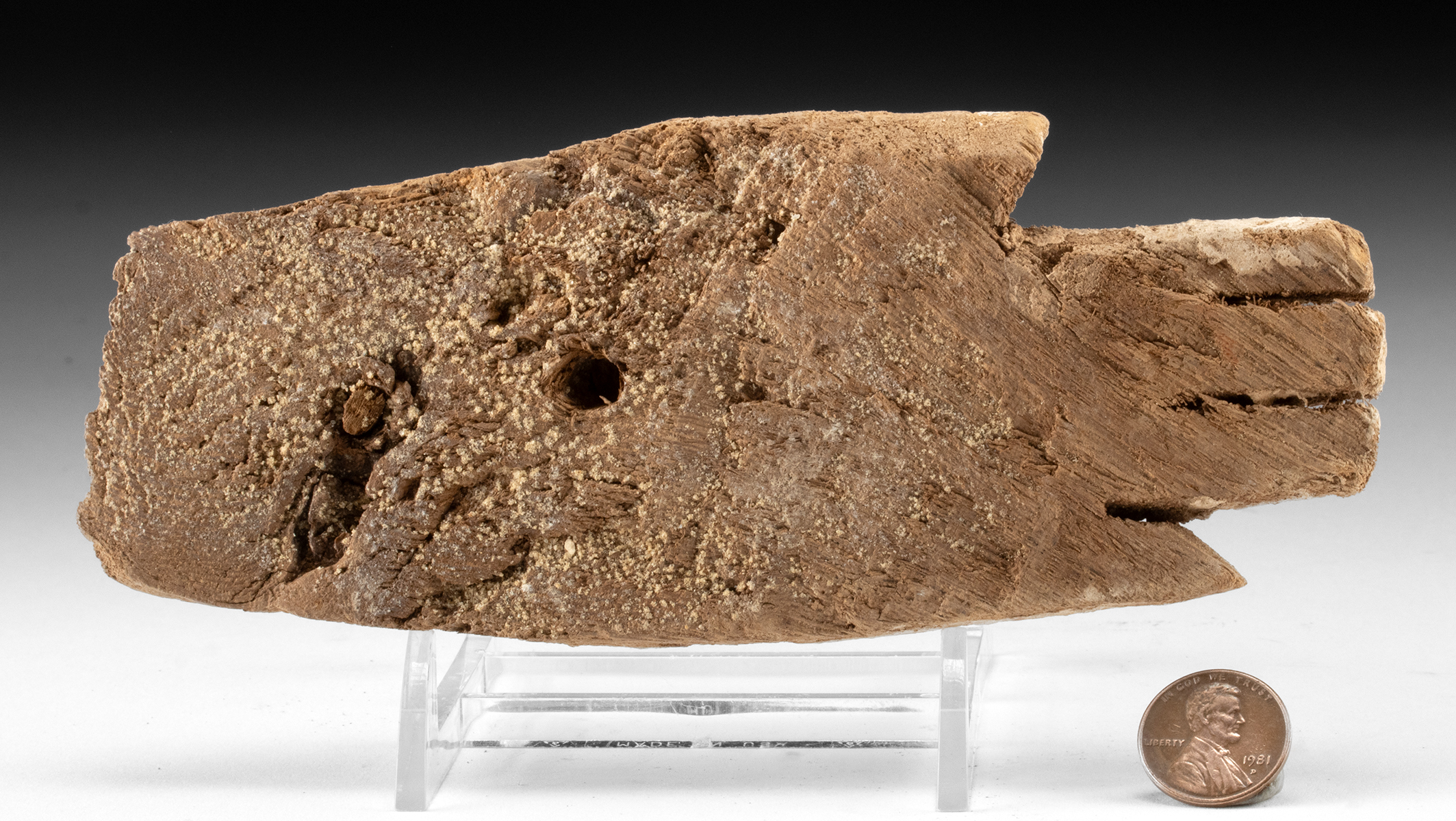
Lot 126, Auction 4/3/2026: Egyptian Painted Wood Hand – Late Dynastic Sarcophagus
Add to cart -


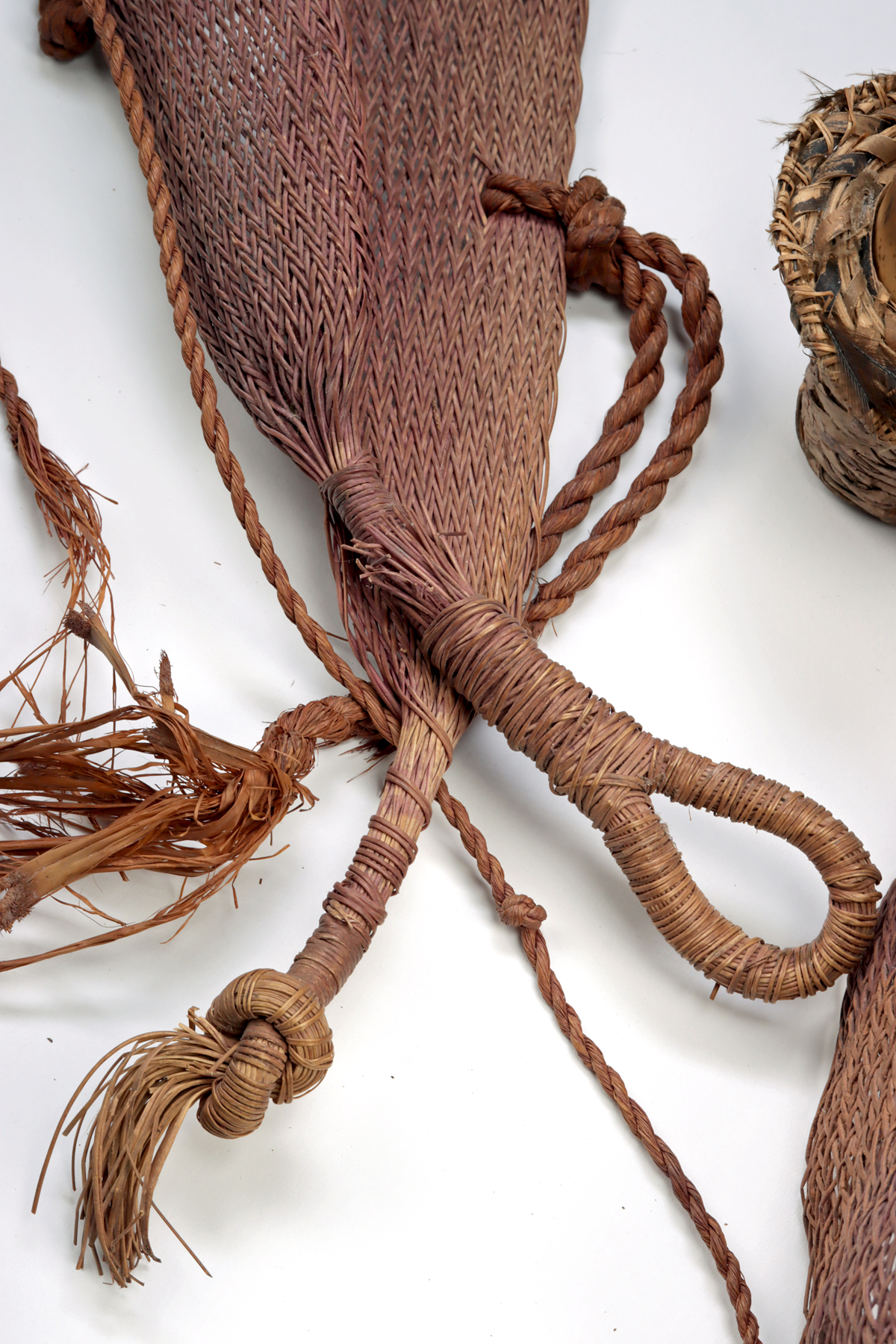
Lot 121, Auction 4/3/2026: Papua New Guinea Bamboo & Vegetal Fiber Implements
Add to cart -


Lot 119, Auction 4/3/2026: Papua New Guinea Yimam Yipwon Spirit Figure – Korewori
Add to cart -


Lot 117, Auction 4/3/2026: Dayak Wood Bound Captive Figure w/ Horse Hair Rope
Add to cart -


Lot 116, Auction 4/3/2026: Borneo Dayak Wood Ancestral Figure, Hampatong Guardian
Add to cart -


Lot 112, Auction 4/3/2026: Two African Wood Nude Figures – Bembe & Chamba
Add to cart