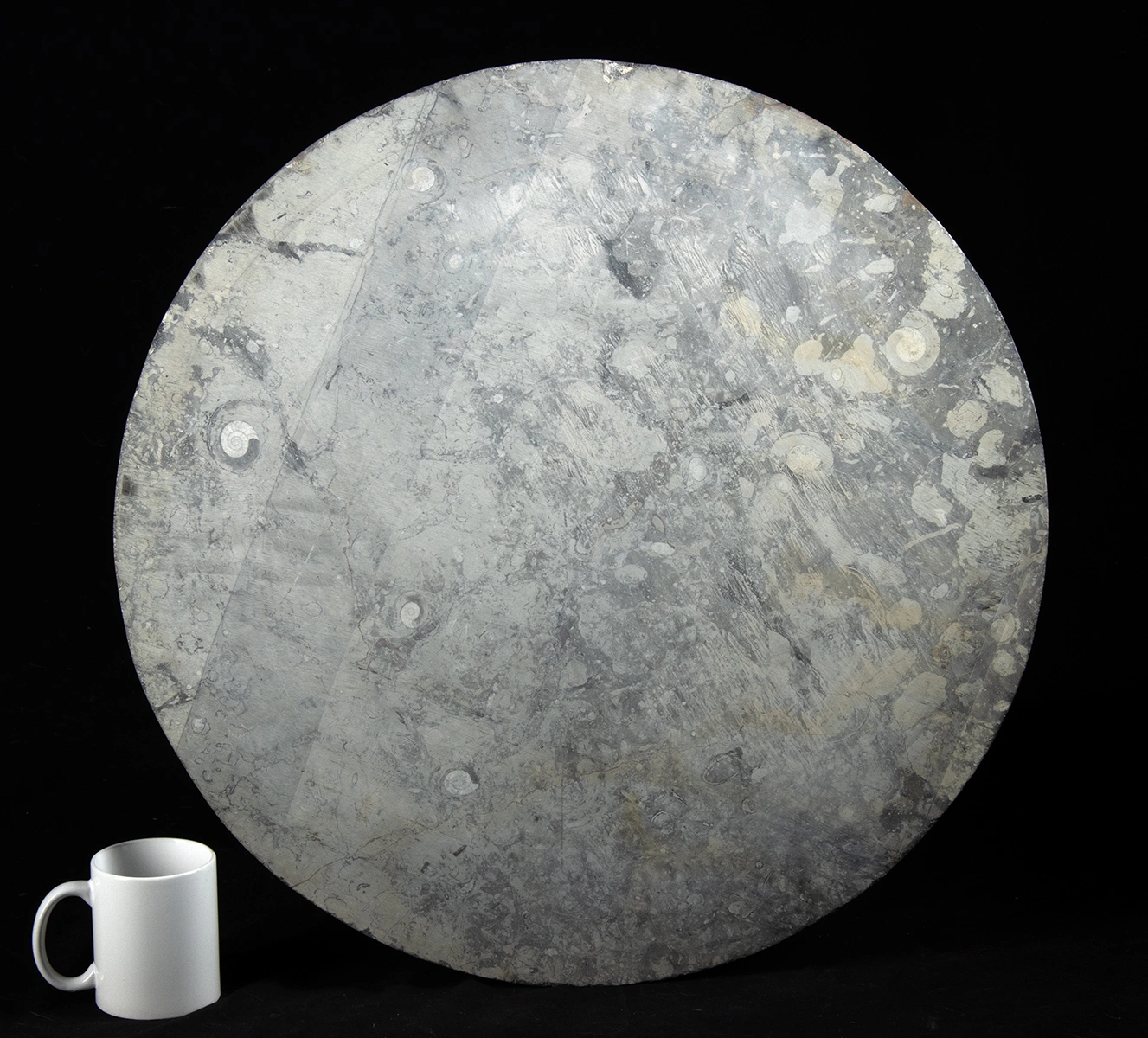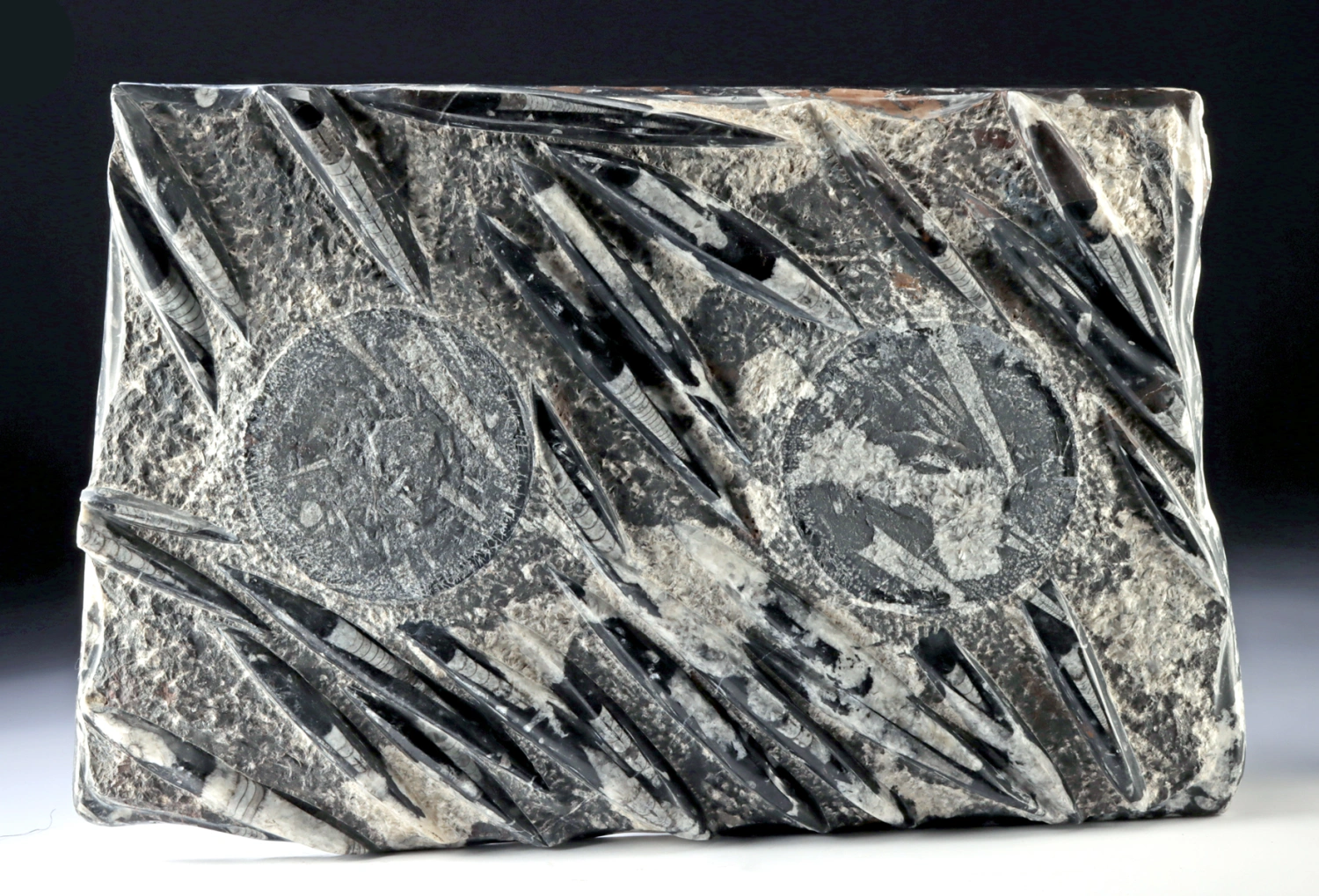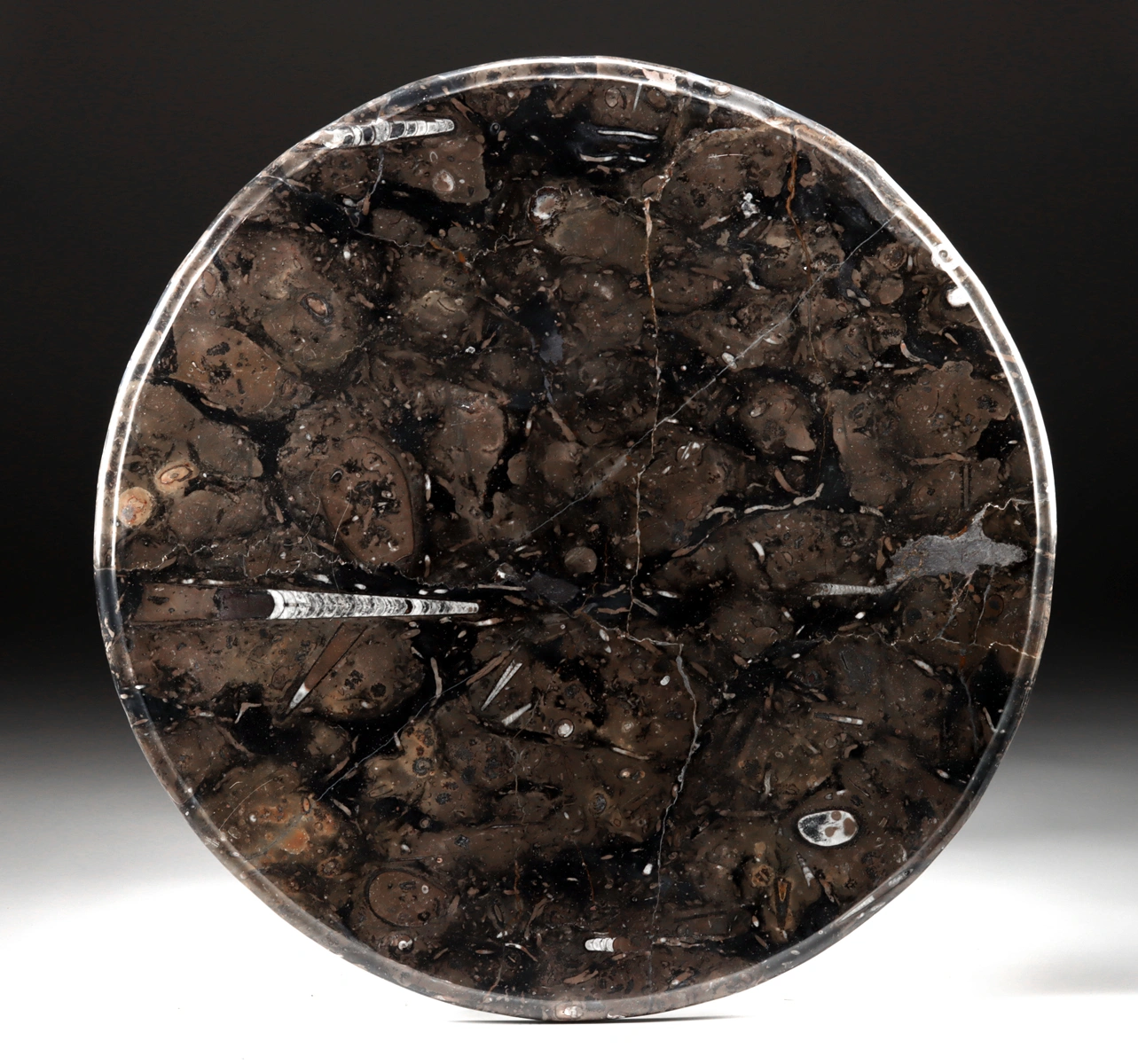
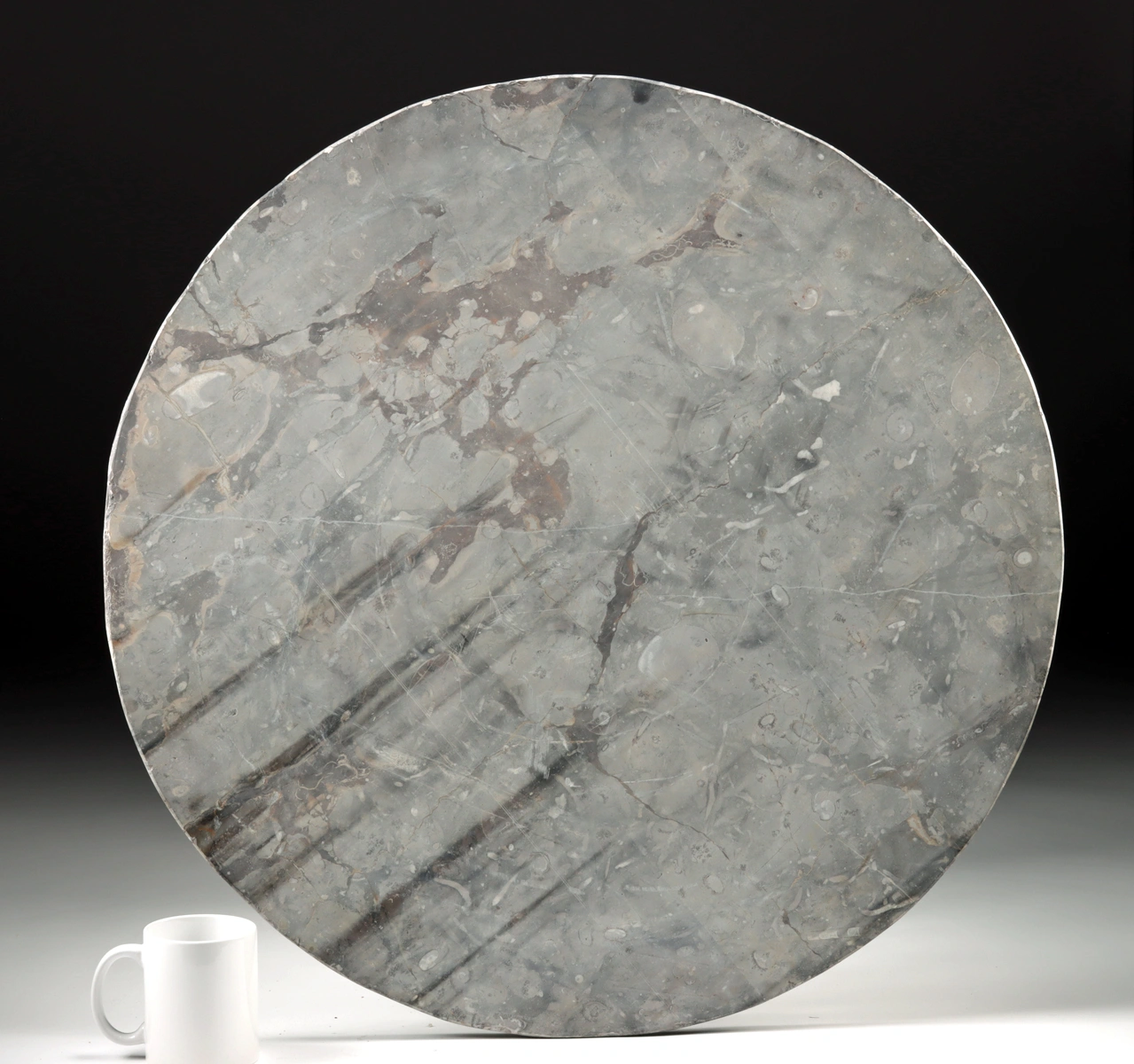
Fossilized Tabletop Slab with Orthoceras & Ammonites (Auction 2026-06-05, Lot 125B)
$449.75
North Africa, Morocco, Devonian Period, ca. 419.2 to 358.9 million years ago. This large, circular fossil slab is polished to reveal striking Orthoceras and ammonite specimens preserved within a richly patterned brown and warm gray stone matrix. The coloration ranges from earthy chocolate tones to soft mineral grays, enlivened by the contrasting spirals and tapering forms of ancient marine life. Both decorative and functional, this piece showcases hundreds of millions of years of natural history. It may be mounted onto custom metal legs for use as a distinctive table, or placed directly atop an existing surface as a monumental coaster or display tray. Size: 27.5″ L x 0.65″ W (69.8 cm x 1.7 cm)
Prehistoric ‘straight’ cephalopods include straight ammonoids called orthoceras. Cephalopod evolution began during the Late Cambrian Period. Some of these creatures evolved into semi-coiled forms, eventually giving rise to coiled cephalopods like ammonites and nautili. Straight cephalopods were among the most advanced invertebrates of their time, with eyes, jaws, and a sophisticated nervous system. These creatures were predators that swam freely using a jet propulsion system by squirting water from their bodies. They had tentacles and ink sacs, much like present-day squid. Except for belemnites, cephalopods had external shells with hollow internal chambers separated by walls called septa. A tube called the siphuncle connected the body with the chambers allowing the animal to fill them with water or air, changing its buoyancy in order to rise or drop in the ocean. Only the last and largest chamber was occupied by the living animal!
Provenance: private Colorado, USA collection
Condition: Professionally cut and polished on one planar face. Some scratches and minor chips to the edges. Overall great condition.
Related Products
-


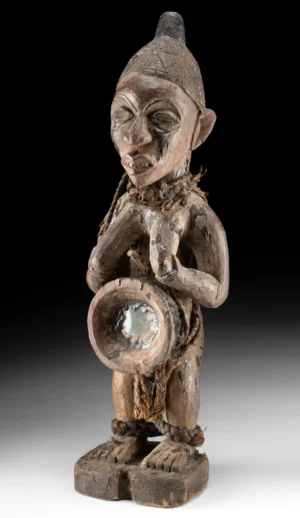
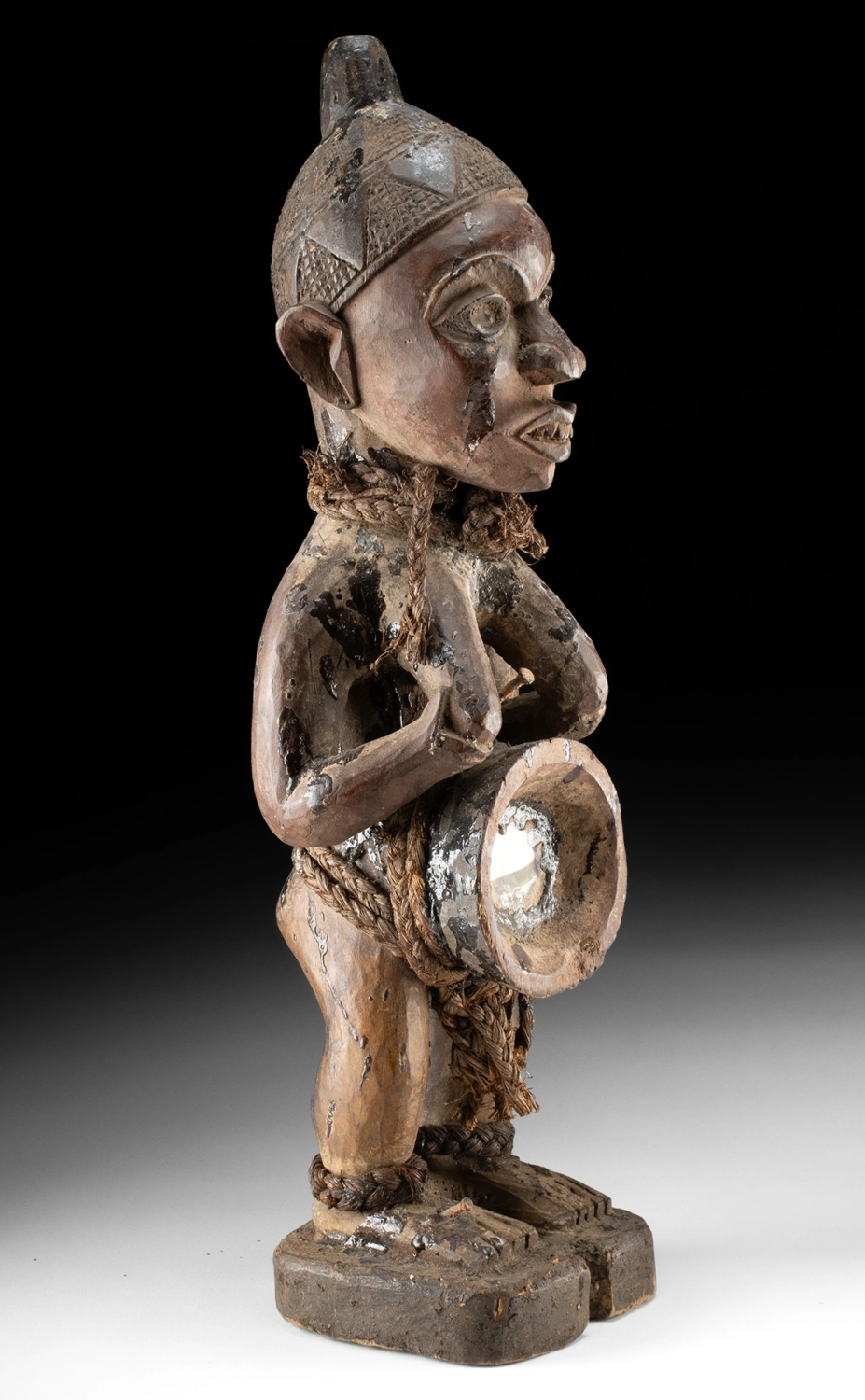
Yombe Wood Nkisi Nkondi Figure – Glass Inset (Auction 2026-06-05, Lot 152)
Add to cart -


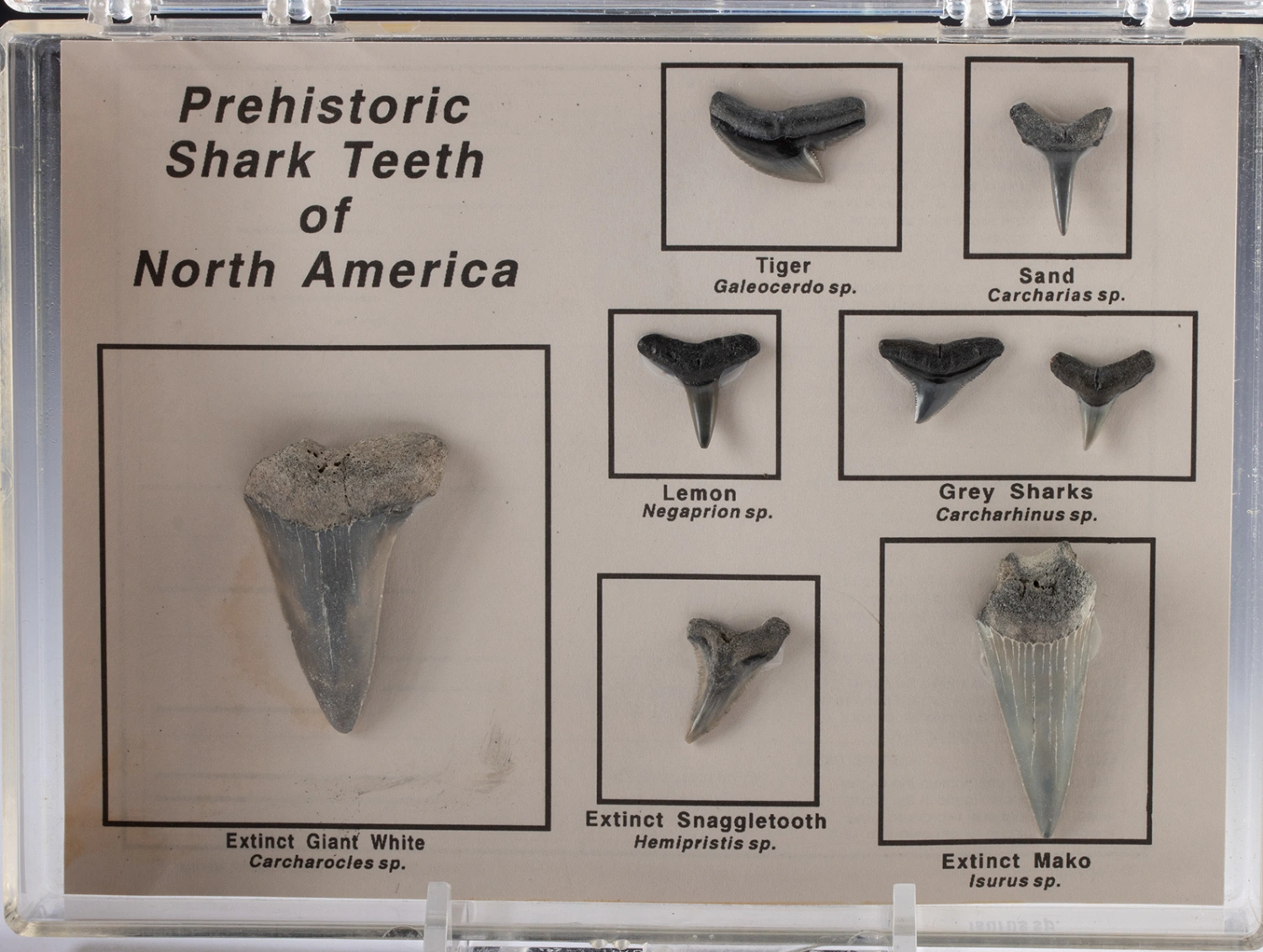
Prehistoric Shark Teeth & Mosasaur Fossil Collection (Auction 2026-06-05, Lot 140)
Add to cart -


Polished Stone Tabletop – Ammonite Shell Fossils (Auction 2026-06-05, Lot 142)
Add to cart -


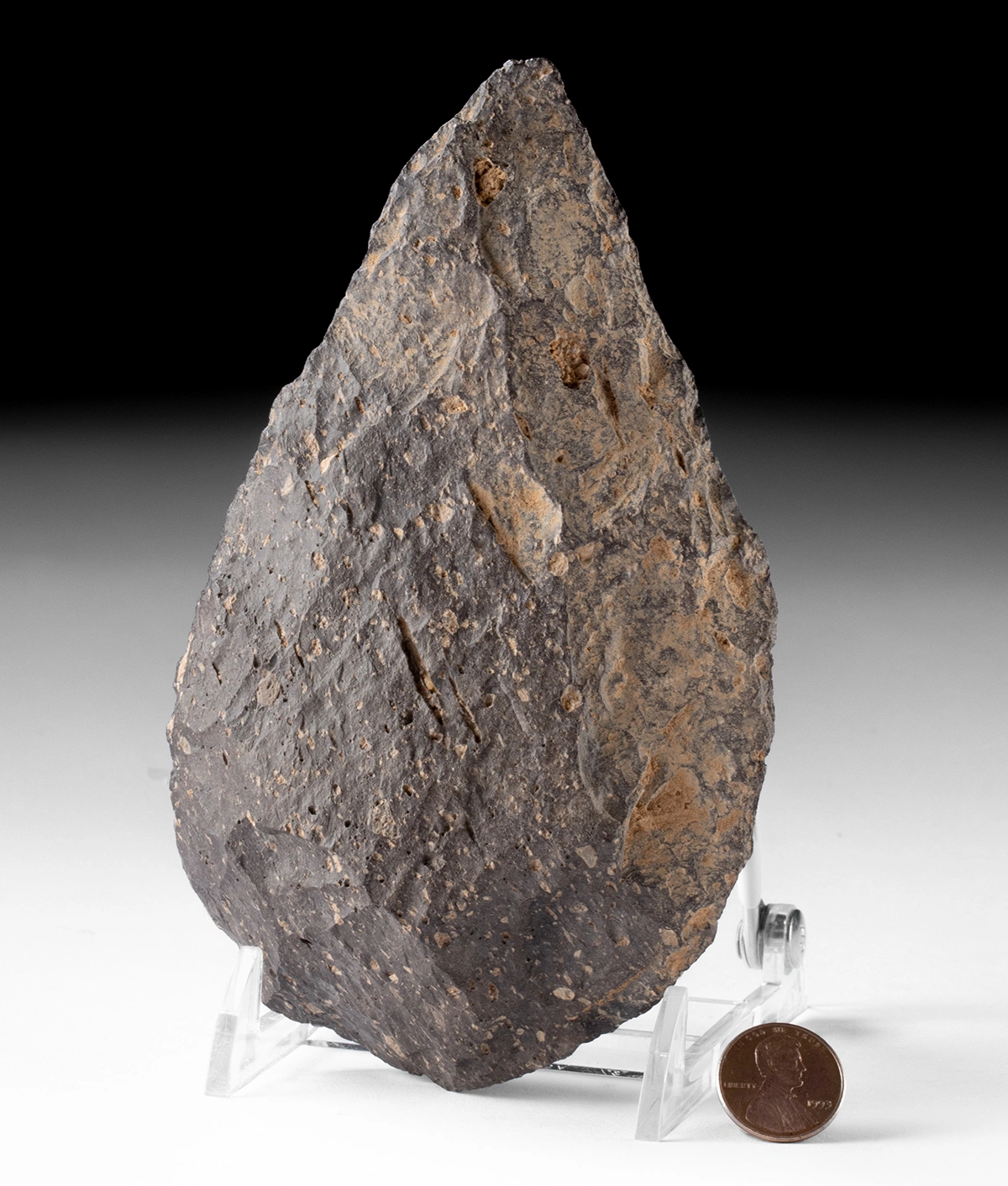
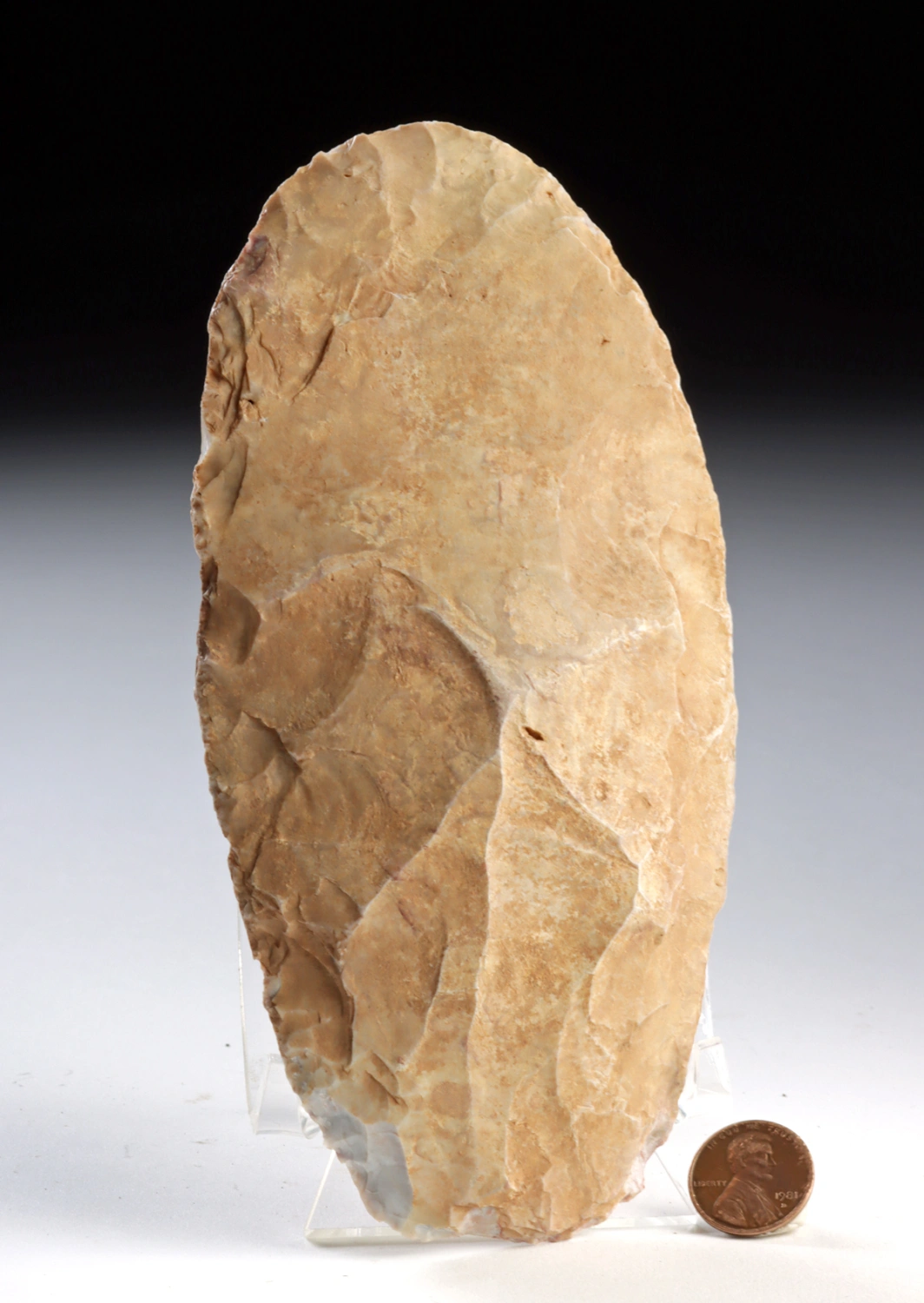
Paleolithic Acheulean Stone Hand Axe (Auction 2026-06-05, Lot 175A)
Add to cart -


Mesolithic African Chert Stone Hand Axe (Auction 2026-06-05, Lot 148)
Add to cart -


Large Orthoceras Fossil Stone Panel (Auction 2026-06-05, Lot 141)
Add to cart -


Carved Stone Partial Ammonite Shell Fossil (Auction 2026-06-05, Lot 138)
Add to cart -


Ammonite Fossil Collection, Polished & Iridescent (Auction 2026-06-05, Lot 139)
Add to cart -


15th C. Ghana Koma Culture Janus-Headed Pottery Finial (Auction 2026-06-05, Lot 150)
Add to cart -


14th C. Ghana Koma Terracotta Head – Long Pointed Beard (Auction 2026-06-05, Lot 149)
Add to cart