
Two Late 19th C. Andean & Lamaholot Warp Textiles (Auction 2026-06-05, Lot 243)
$257.00
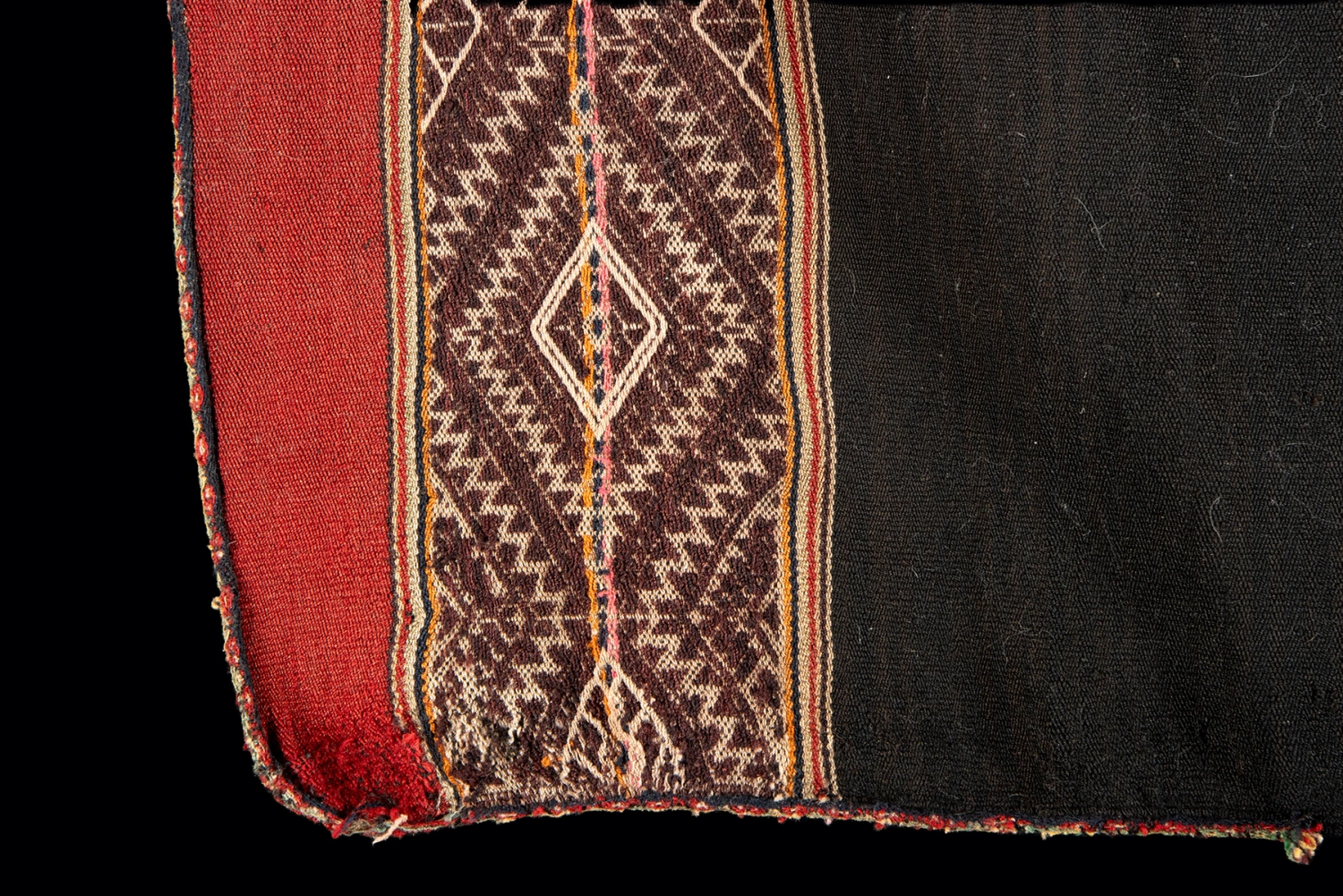
South America, Bolivia, Andean highland tradition; Southeast Asia, Indonesia, Lembata Island, Lamaholot culture, Ile Ape region, ca. late 19th to mid 20th century CE. A near-black camelid cloth from the southern Bolivian highlands and a warm-tan cotton sarong from the Ile Ape peninsula of Lembata Island: two warp-faced traditions, two continents, one lot. The Andean piece is a two-panel warp-faced cloth, likely camelid fiber, its dark ground structured by lateral bands of deep red and patterned strips carrying nested stepped diamonds in cream. The construction and palette are consistent with the purely geometric weaving traditions of the southern Bolivian highlands, though community attribution remains unresolved between northern Potosi Quechua and Oruro Aymara traditions pending specialist review. Textiles of this type served as dress panels, carrying cloths, or prestige exchange goods within the systems of reciprocal obligation that organized highland Andean social life. Size of larger: 63″ L x 39″ W (160.0 cm L x 99.1 cm W)
The Indonesian piece is a two-panel warp-faced sarong from the Ile Ape region of Lembata Island, woven from likely hand-spun cotton on a back-tension loom. Its tan ground, perhaps colored with local mango or reo bark, carries vertical warp stripes in red, blue, pink, and teal, with narrow ikat bands at intervals bearing small geometric figures in cream on deep indigo, drawn from the documented Ile Ape motif vocabulary. The offset at the center seam is not a flaw but a structural convention: Ile Ape sarongs distribute their ikat bands in odd numbers across two separately woven panels, producing halves of deliberately unequal width. The cloth is most likely a wate hebaken, a ceremonial counter-prestation sarong exchanged in Lamaholot marriage alliances, or a related wate topon variant.You said: are you 100% sure that the second one can’t be bolivian too?
Provenance: ex-private Moore collection, Denver, Colorado, USA, acquired prior to 1990
Condition: Very Good. Some minor pulls, fraying, and tears. Both are otherwise in good condition with nicely preserved pigments and decoration.
Related Products
-


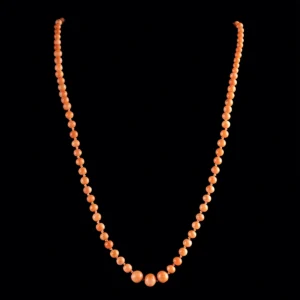
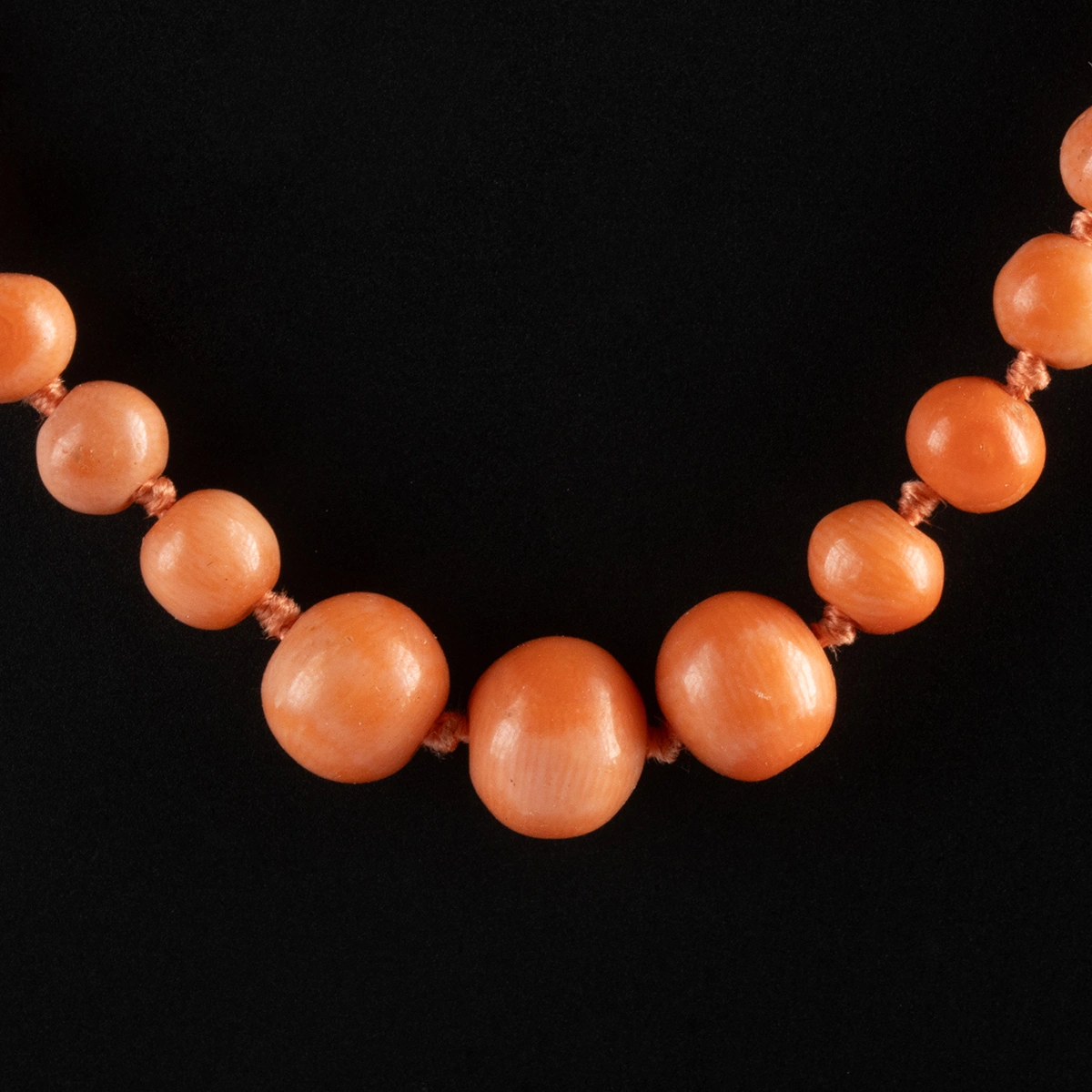
Victorian Coral Graduated Bead Necklace with Brass Clasp (Auction 2026-06-05, Lot 265A)
Add to cart -


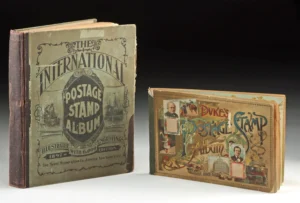
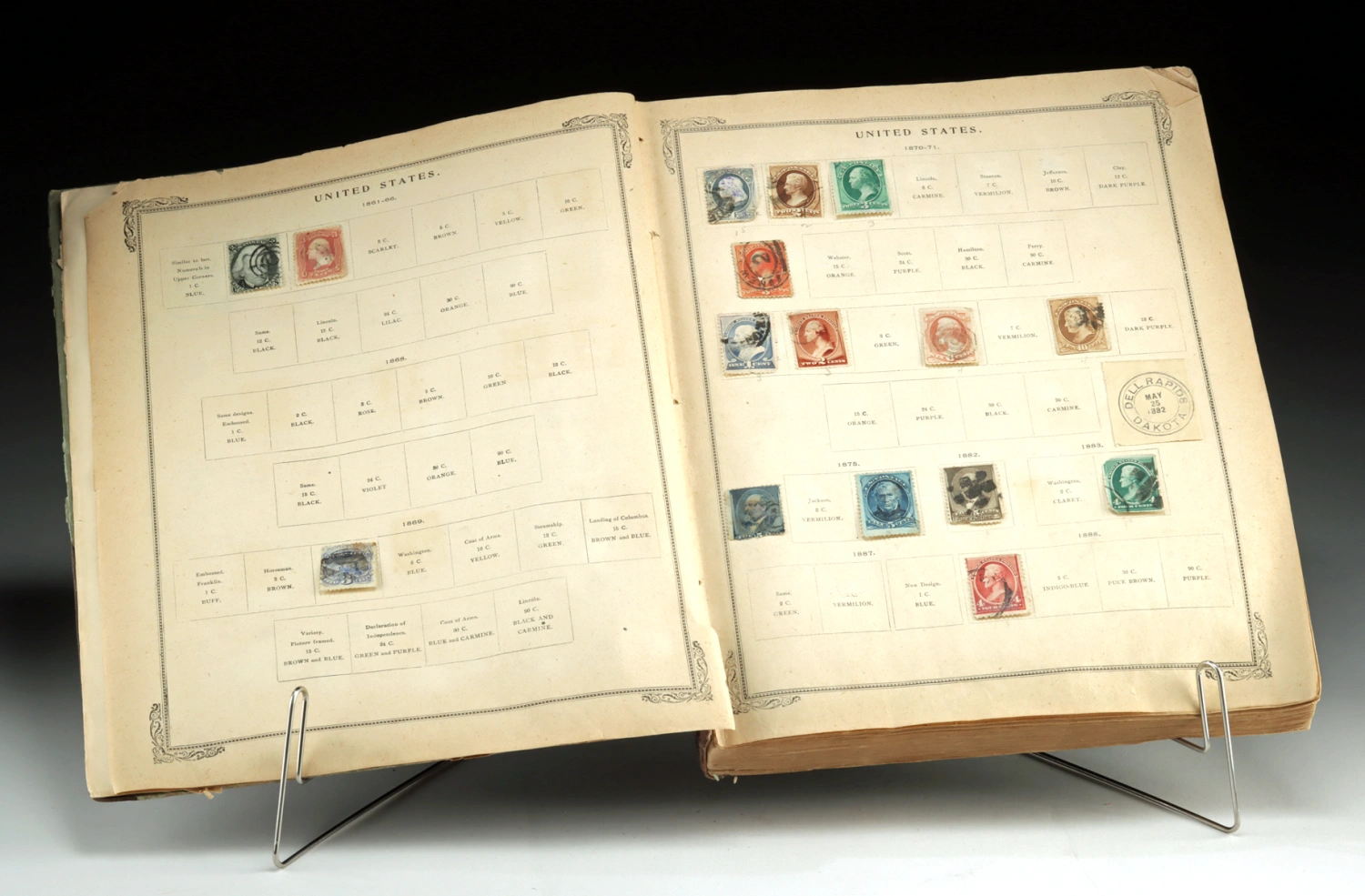
Two Late 19th C. International Stamp Albums (Auction 2026-06-05, Lot 271)
Add to cart -


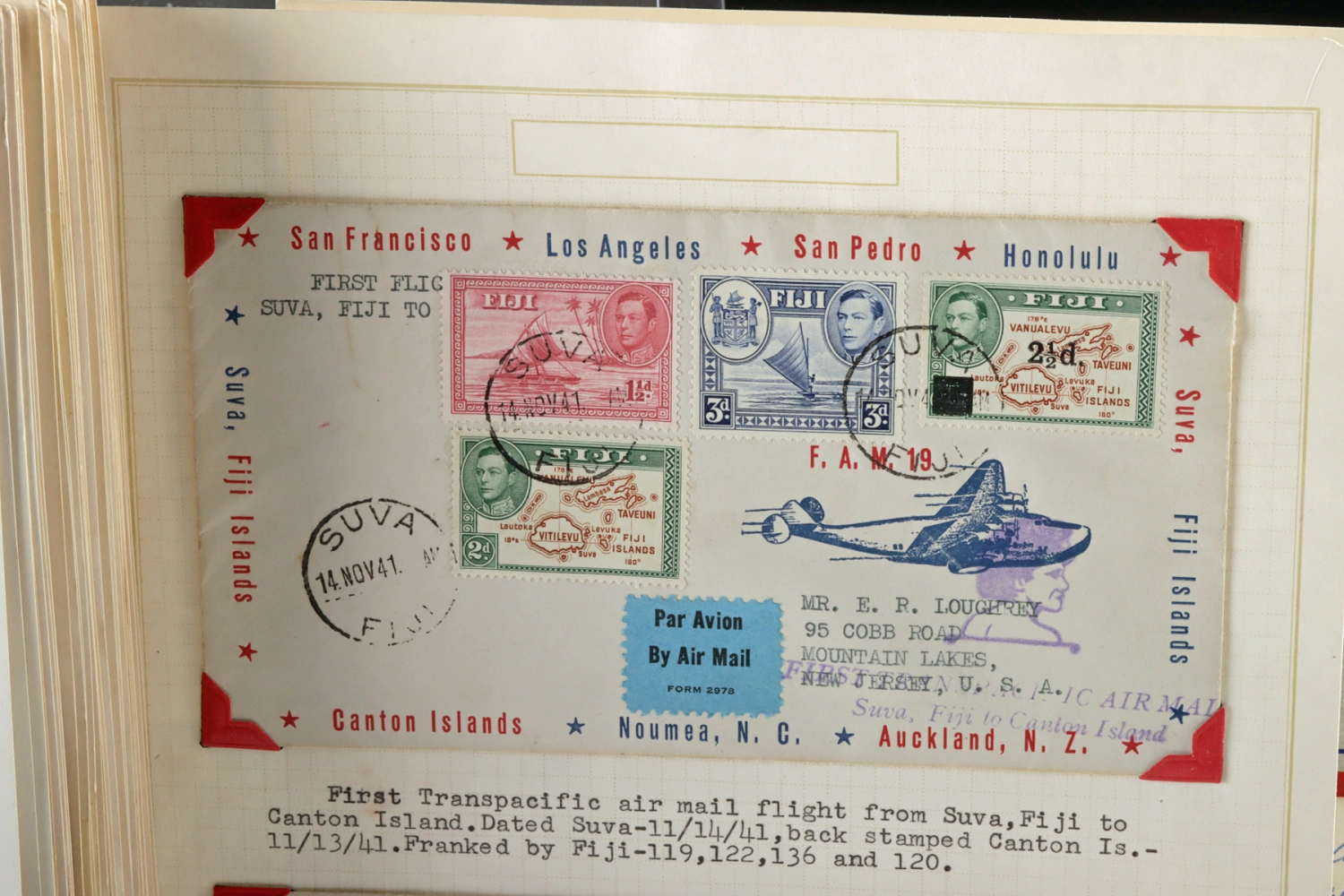
Stamps & Air Mail – British Colonies, Oceania, & US (Auction 2026-06-05, Lot 271C)
Add to cart -


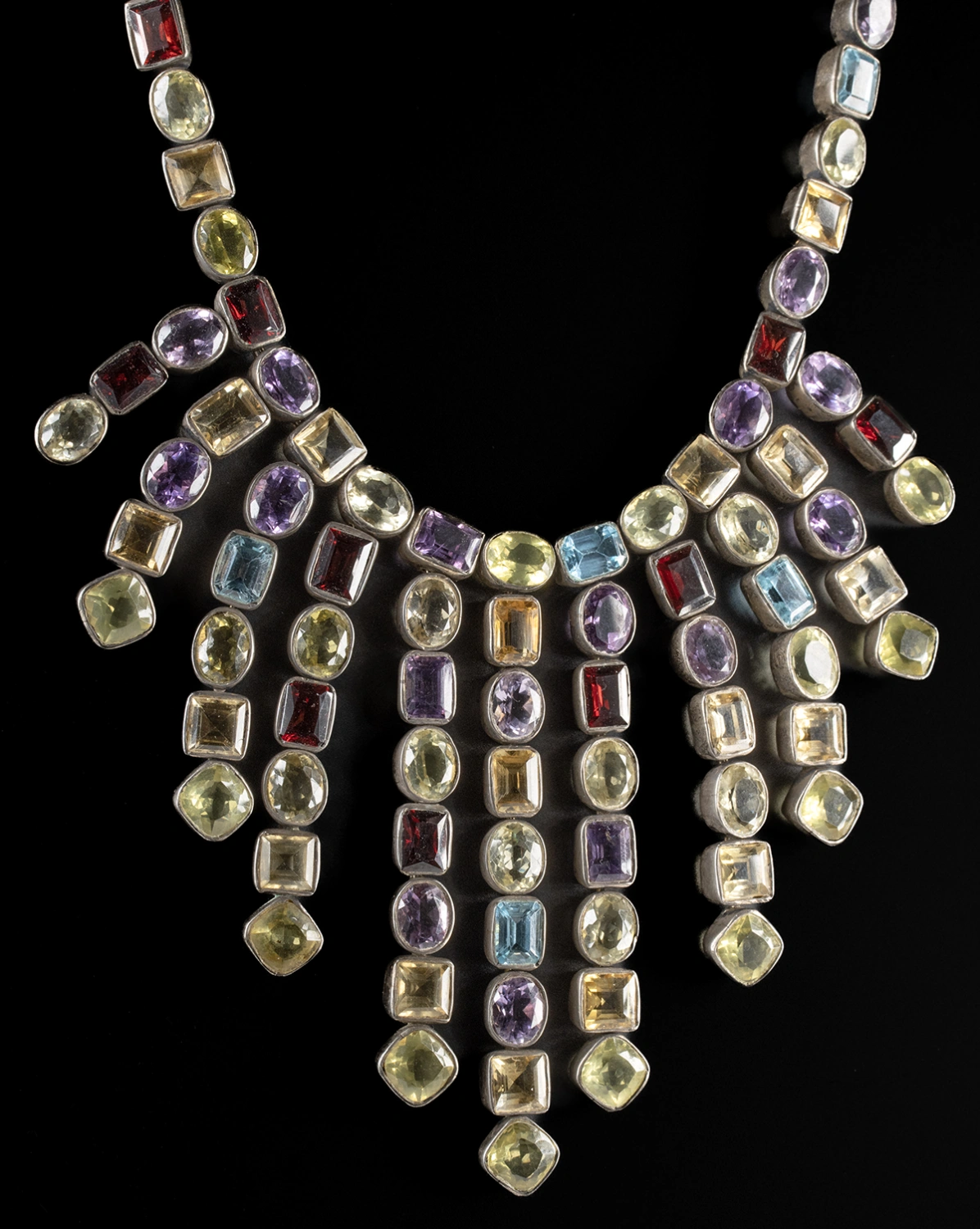
Silver & Semi-Precious Stone Bib Statement Necklace (Auction 2026-06-05, Lot 265)
Add to cart -


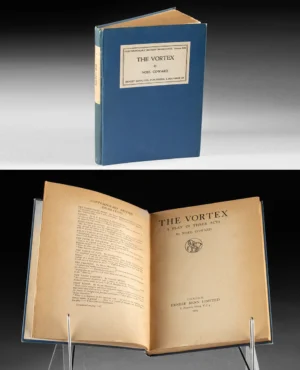
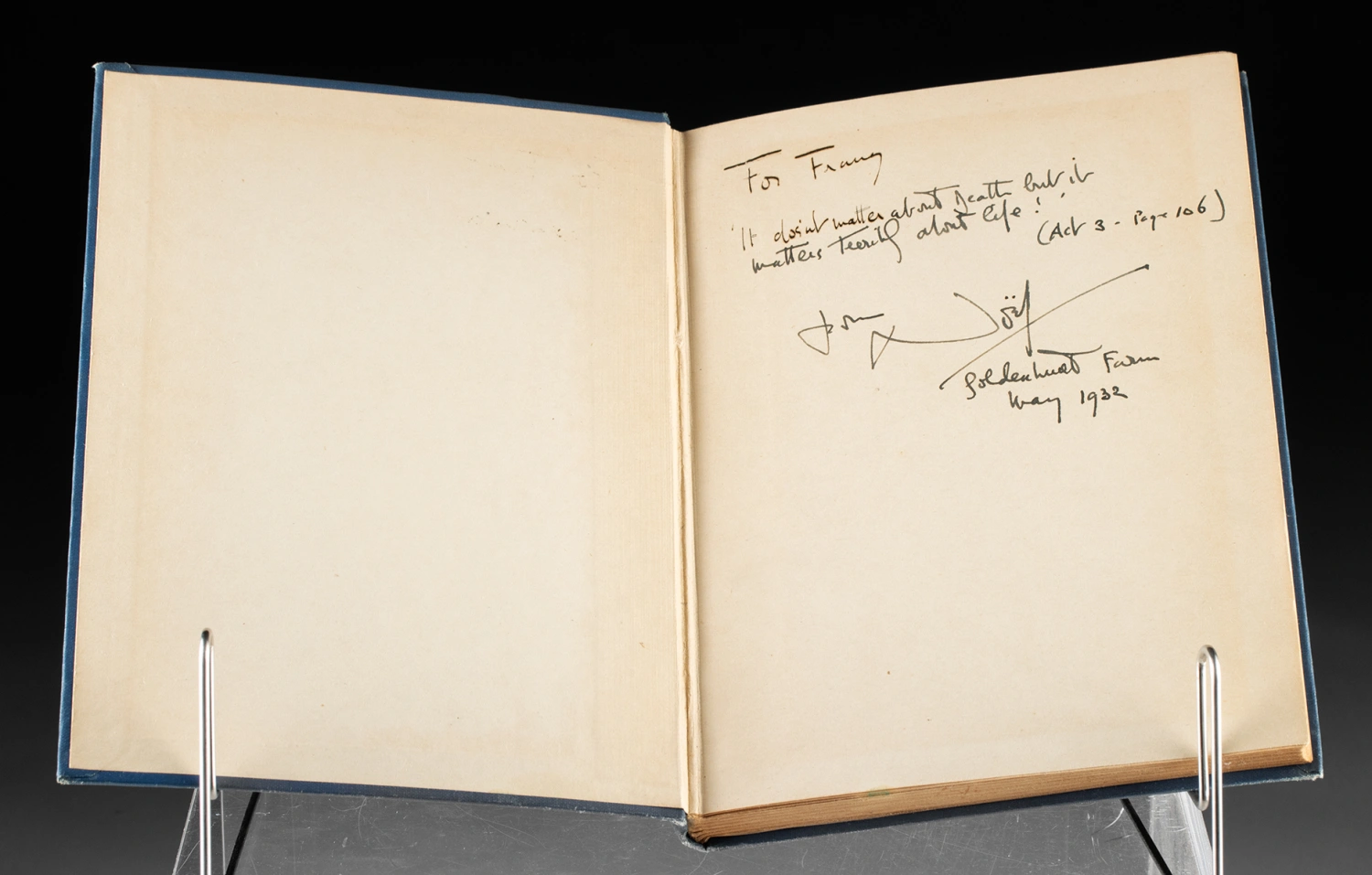
Signed First Edition “The Vortex” by Noel Coward (1925) (Auction 2026-06-05, Lot 270)
Add to cart -


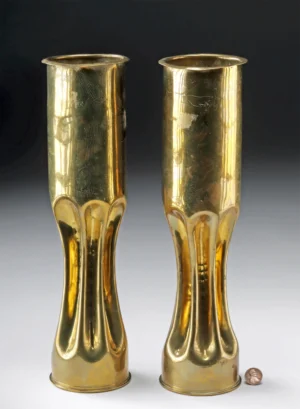
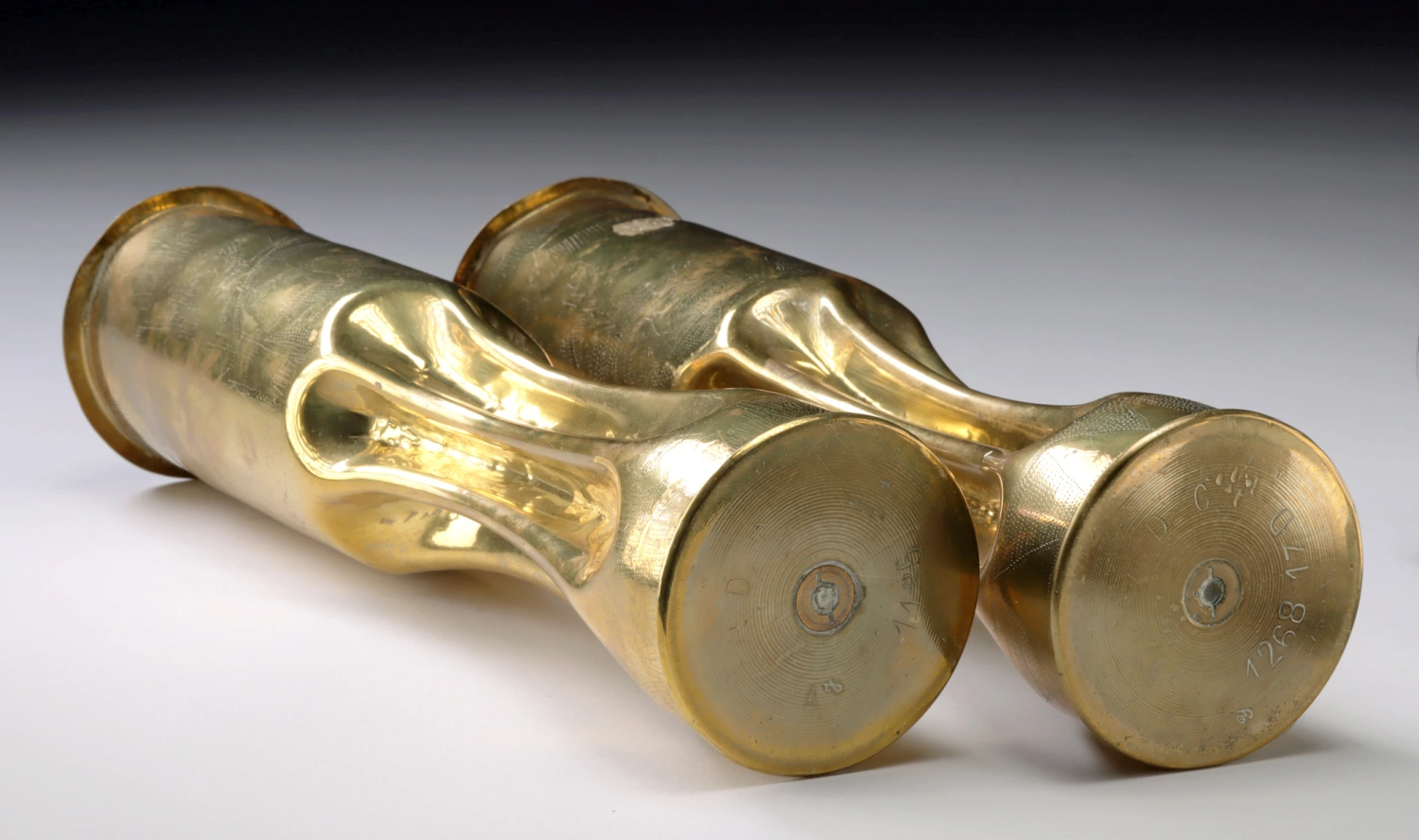
Pair WWI Trench Art Brass Shell Vases 1919 (Auction 2026-06-05, Lot 267)
Add to cart -


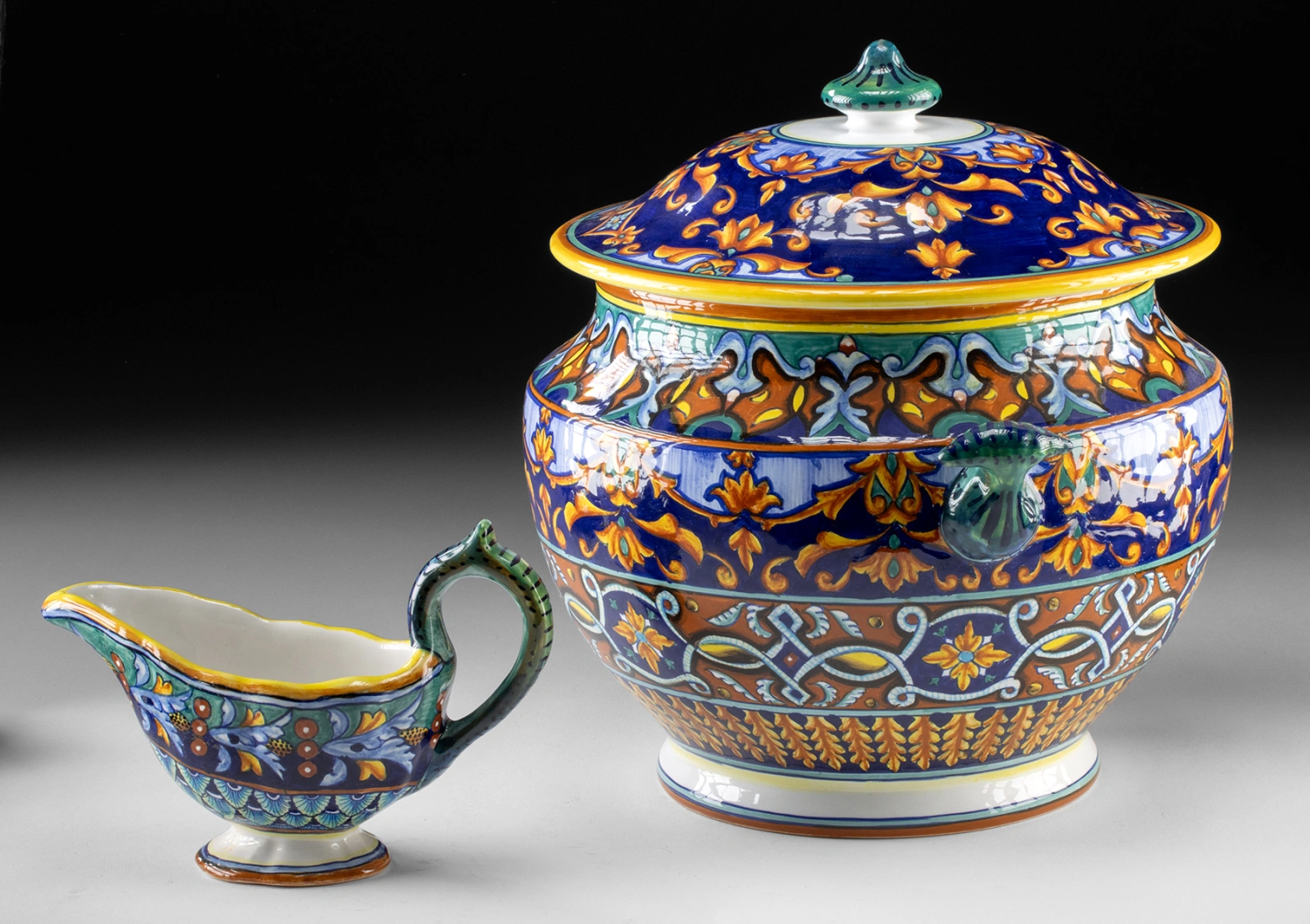
Large Italian Deruta Maiolica Tureen & Gravy Boat (Auction 2026-06-05, Lot 267A)
Add to cart -


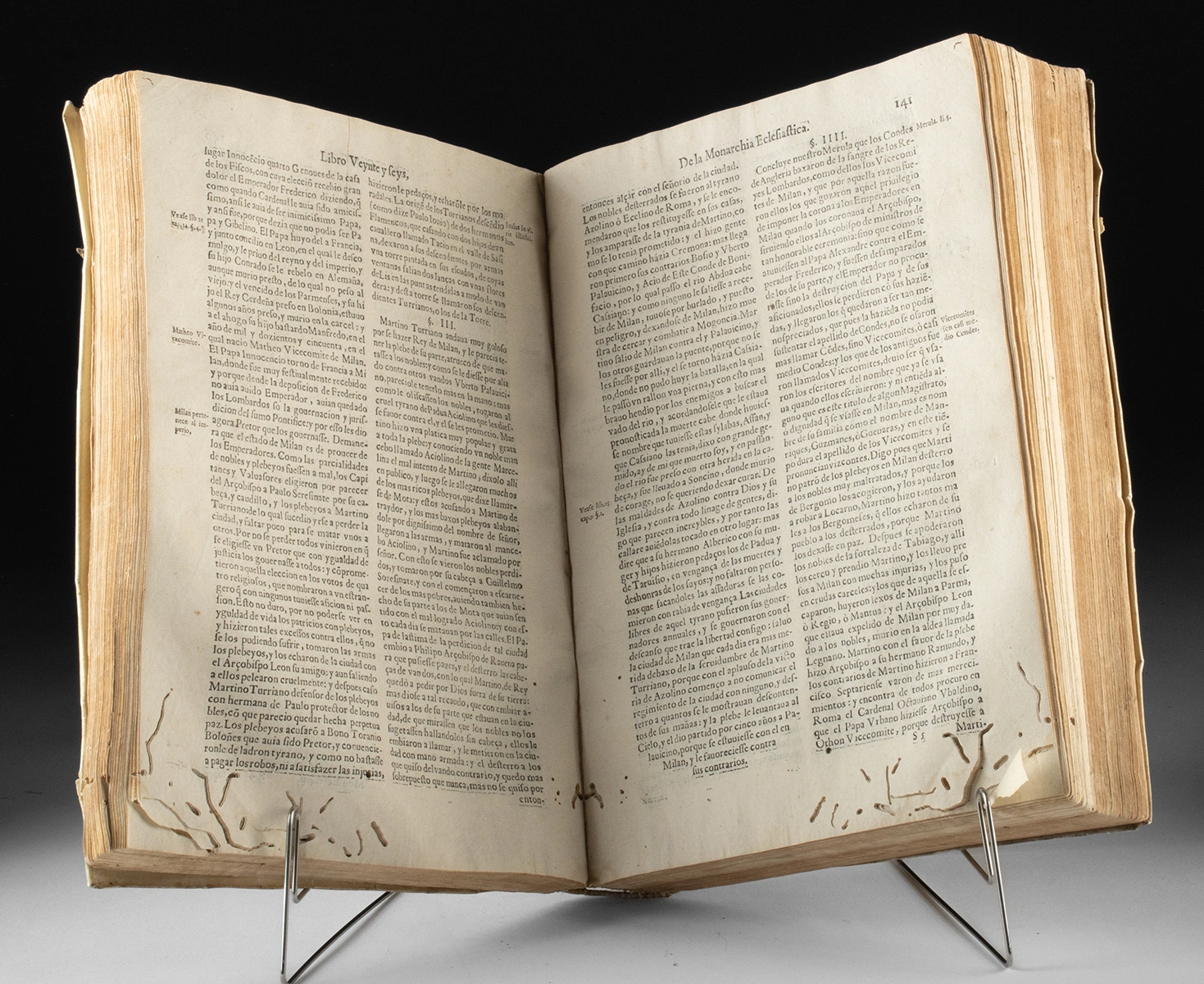
1st Ed. “Monarchia Ecclesiastica” 1620 – Juan de Pineda (Auction 2026-06-05, Lot 268)
Add to cart -


18th C. Russian Silvered Icon – “The Unexpected Joy” (Auction 2026-06-05, Lot 266)
Add to cart -


“La Dulce y Santa Muerte” Spanish Devotional Book, 1750 (Auction 2026-06-05, Lot 269)
Add to cart