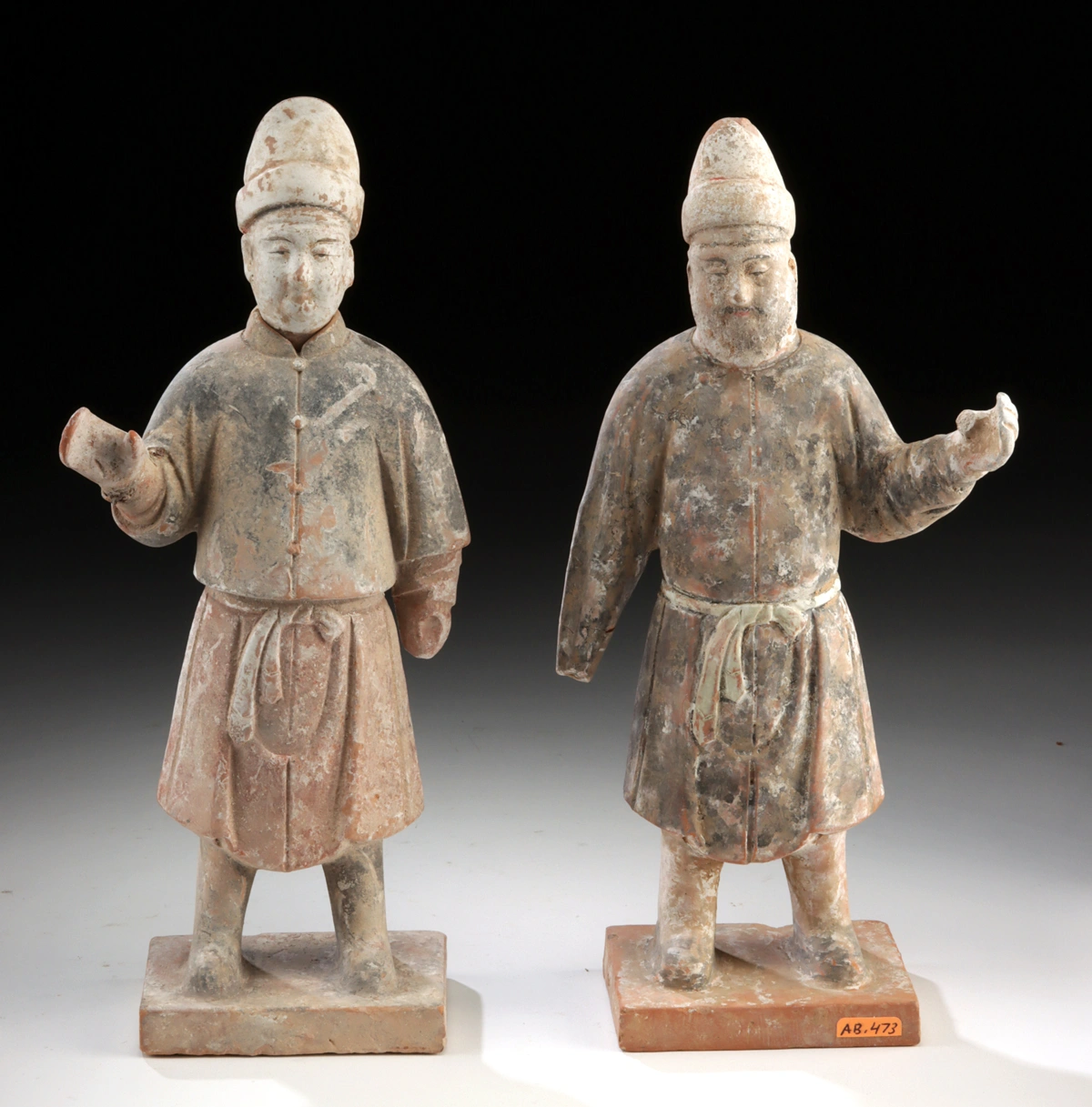
Pair of Chinese Ming Pottery Tomb Attendants (Auction 2026-06-05, Lot 204)
$578.25
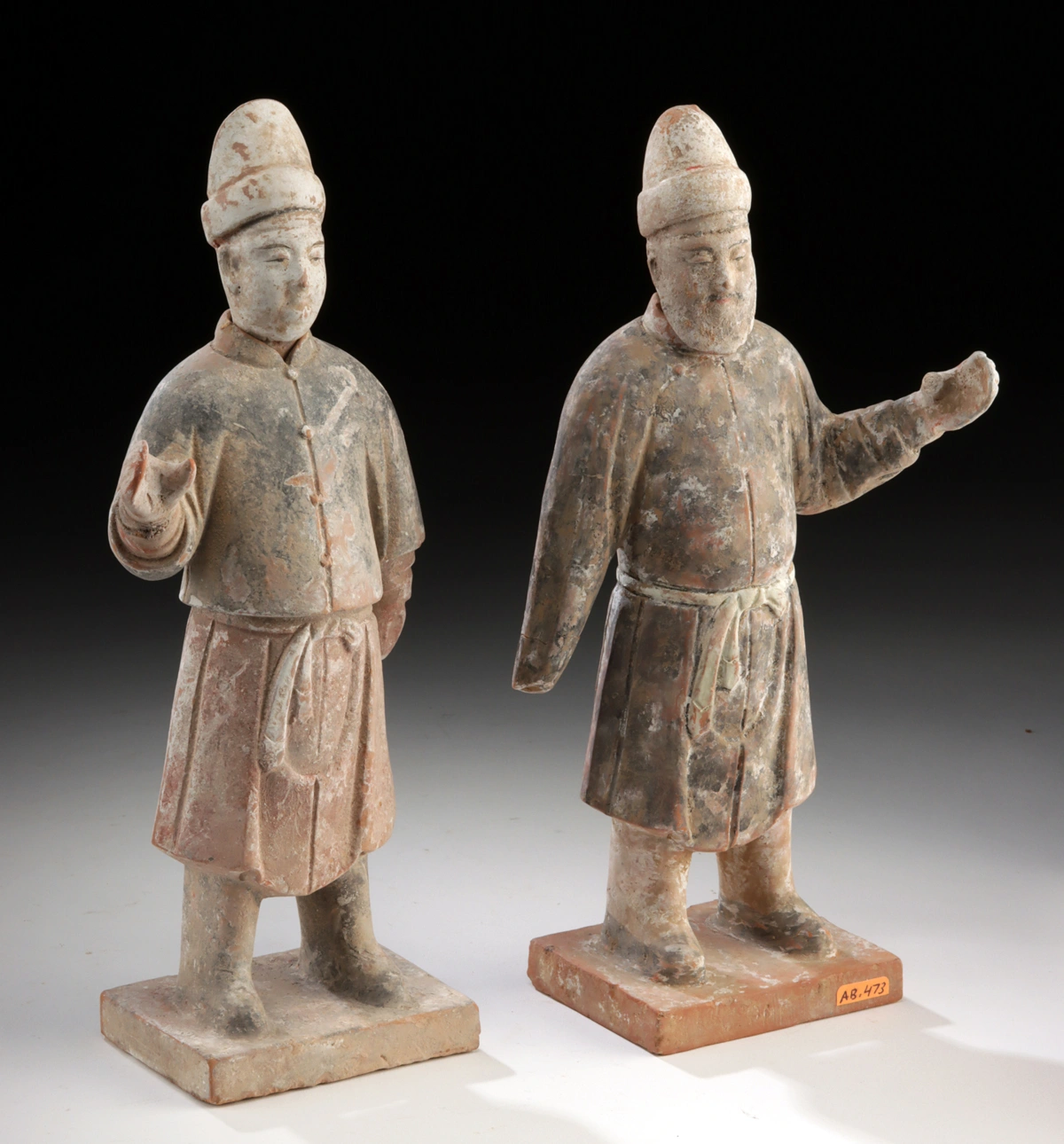
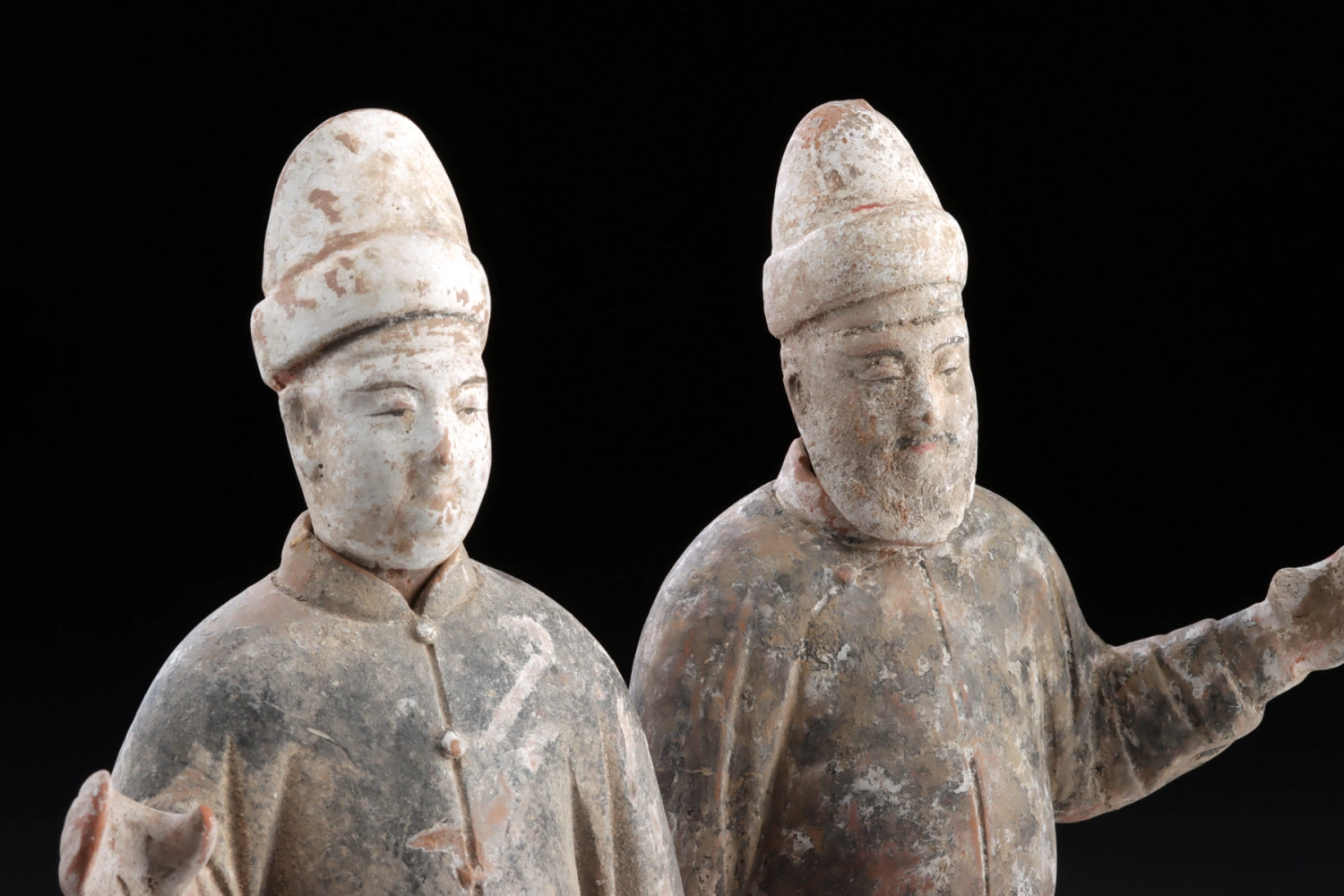
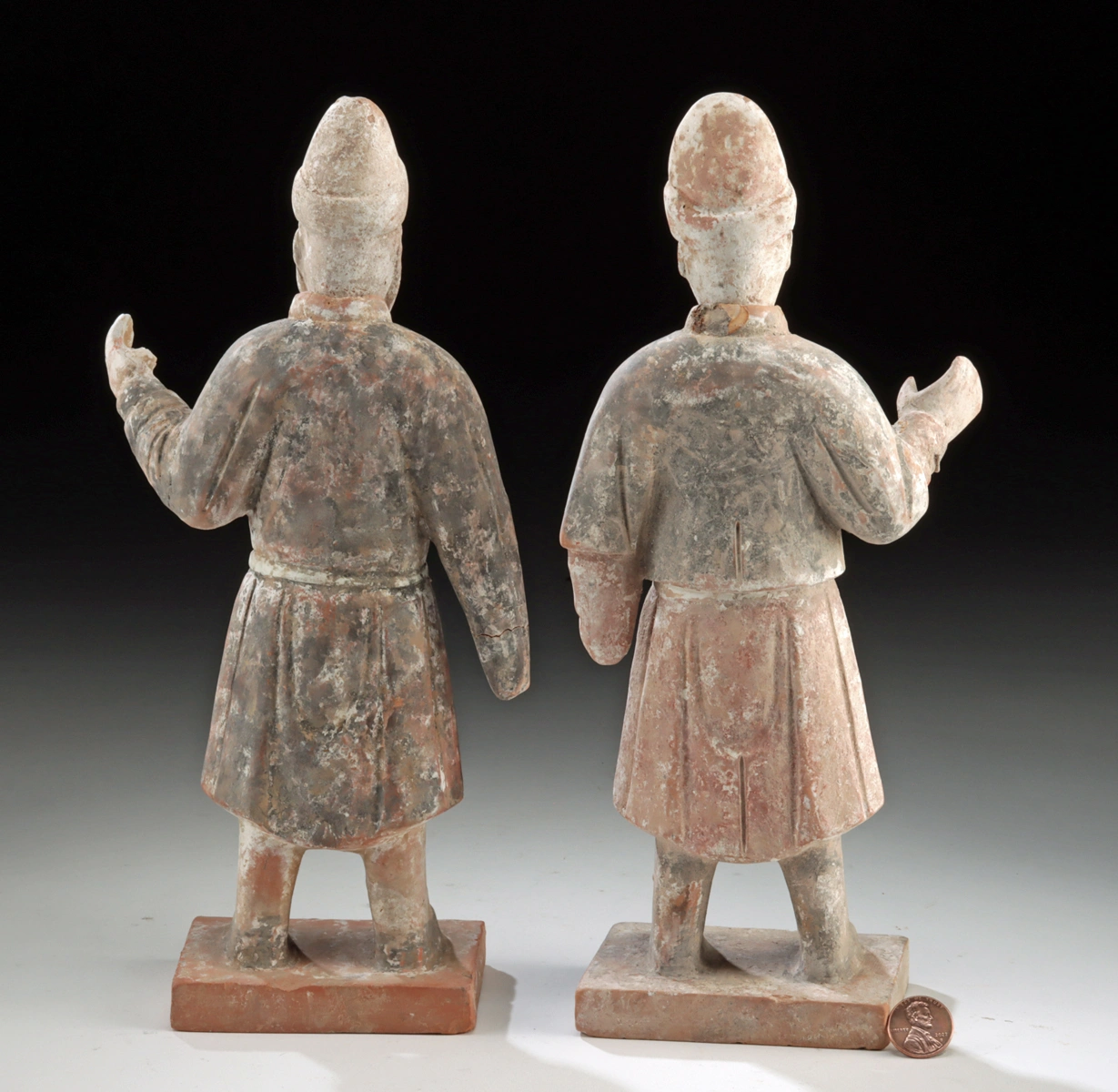
East Asia, China, Ming Dynasty, ca. 15th to 16th century CE. A formal pair shaped for eternity, these Chinese Ming dynasty pottery tomb attendant figures stand as enduring companions to the deceased, their composed gestures and balanced bearing conveying service and readiness. Modeled in earthenware and once enlivened with pigment, they retain a soft, mineral surface that speaks to long burial and patient time. Each figure stands upright on a rectangular base, dressed in knee length robes tied at the waist and topped with rounded caps typical of court and administrative attendants. Their postures are subtly animated, with one arm raised in a gesture of offering or presentation, the other lowered in reserve. The faces are individualized with gentle expressions, almond shaped eyes, and restrained modeling that favors dignity over drama. Size (both about the same): 5.4″ W x 10.5″ H (13.7 cm x 26.7 cm)
Traces of red, buff, and gray pigment survive across the surfaces, settling into folds of clothing and facial contours. These remains of color remind us that such figures were originally vivid presences, intended to populate the tomb with a functioning retinue rather than static decoration. The slight differences between the two figures suggest intentional variation, reinforcing the sense of living attendants rather than mirrored symbols.
During the Ming dynasty, tomb figures known as mingqi were created to serve the dead in the afterlife, reflecting contemporary courtly hierarchy and daily life. Attendants such as these were meant to offer protection, assistance, and continuity, ensuring that status and comfort extended beyond the earthly realm. Their gestures may indicate greeting, guidance, or readiness to receive instruction, roles essential within the imagined bureaucracy of the afterlife. This pair presents a compelling balance of formality and humanity, where ritual purpose meets observation drawn from life. Together, they offer a resonant glimpse into Ming funerary belief, preserving in clay the expectation that service, order, and companionship would continue long after the final rites were complete.
Provenance: private Colorado, USA collection; ex-private Los Angeles, California, USA collection; ex-major gallery, Beverly Hills, California, USA, primarily acquired between 1985 and 2005
Condition: Good. Both have detachable heads. One is missing proper left thumb and has had repair to arms; other is intact. Both have weathering to surfaces with nicks and abrasions commensurate with age. Otherwise, nice presentation with good remaining pigments and scattered earthen deposits.
Related Products
-


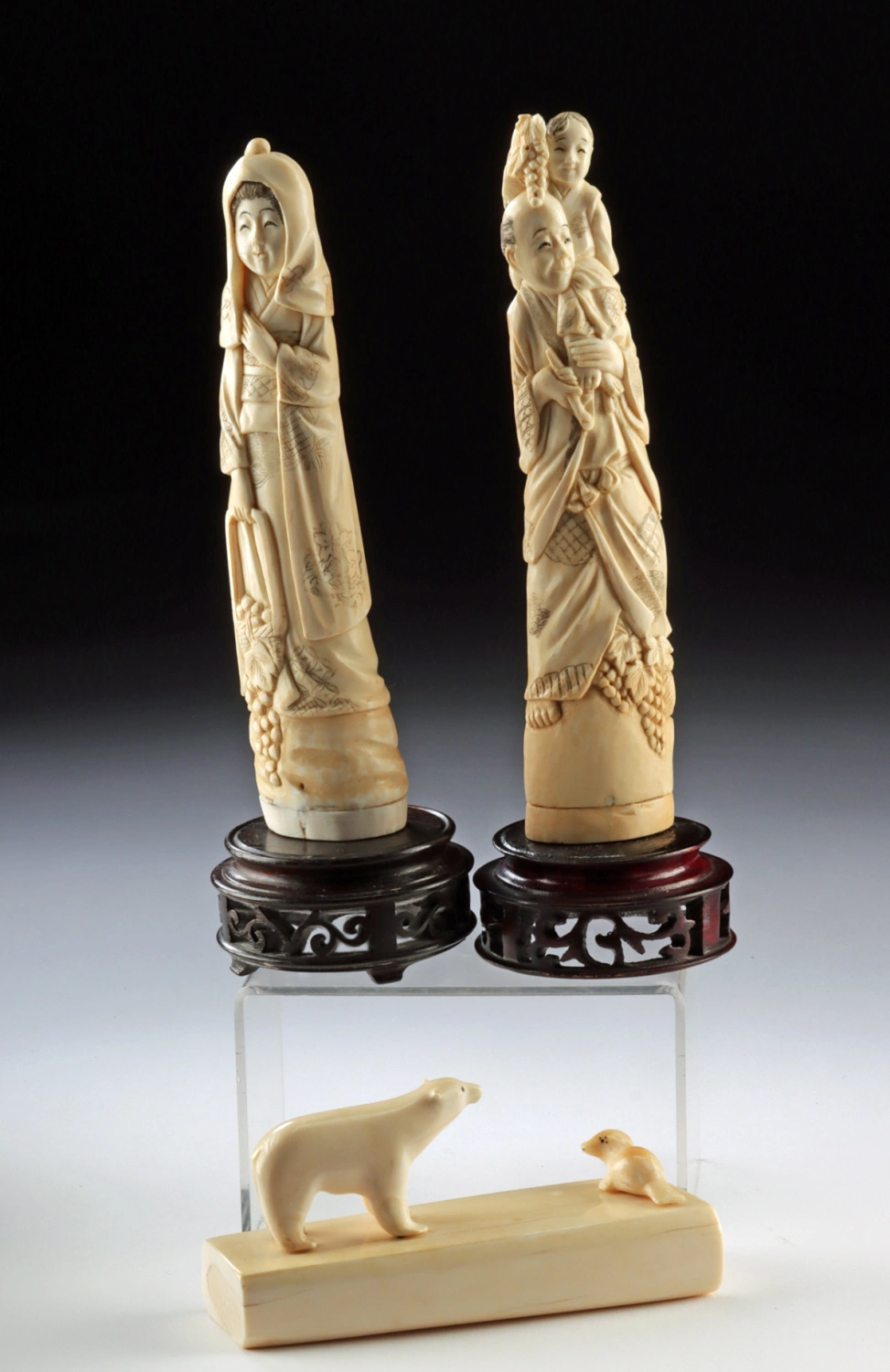
Walrus Ivory Chinese Figural Sculptures & Inuit Animals (Auction 2026-06-05, Lot 228)
Add to cart -


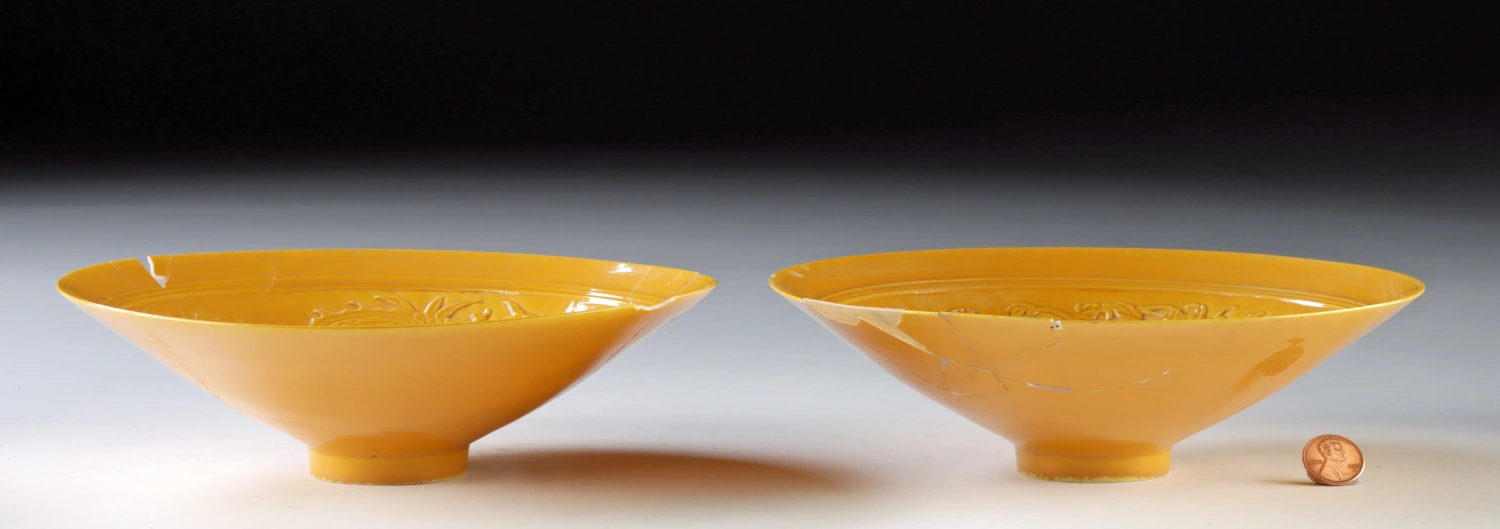
Two Chinese Yellow Porcelain Bowls, 1910 Xuantong Mark (Auction 2026-06-05, Lot 225)
Add to cart -


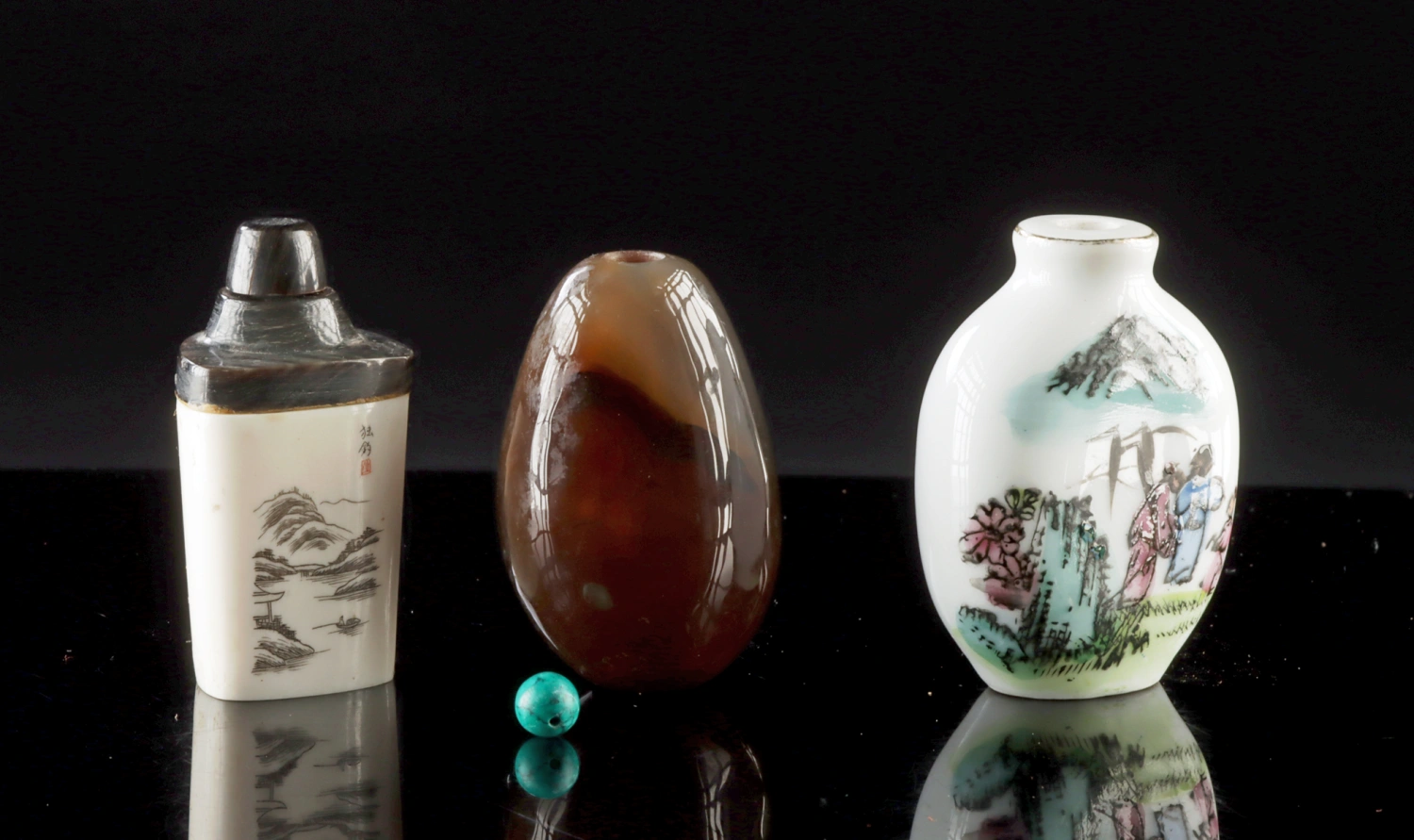
Three Chinese Agate, Bone & Porcelain Snuff Jars (Auction 2026-06-05, Lot 223)
Add to cart -


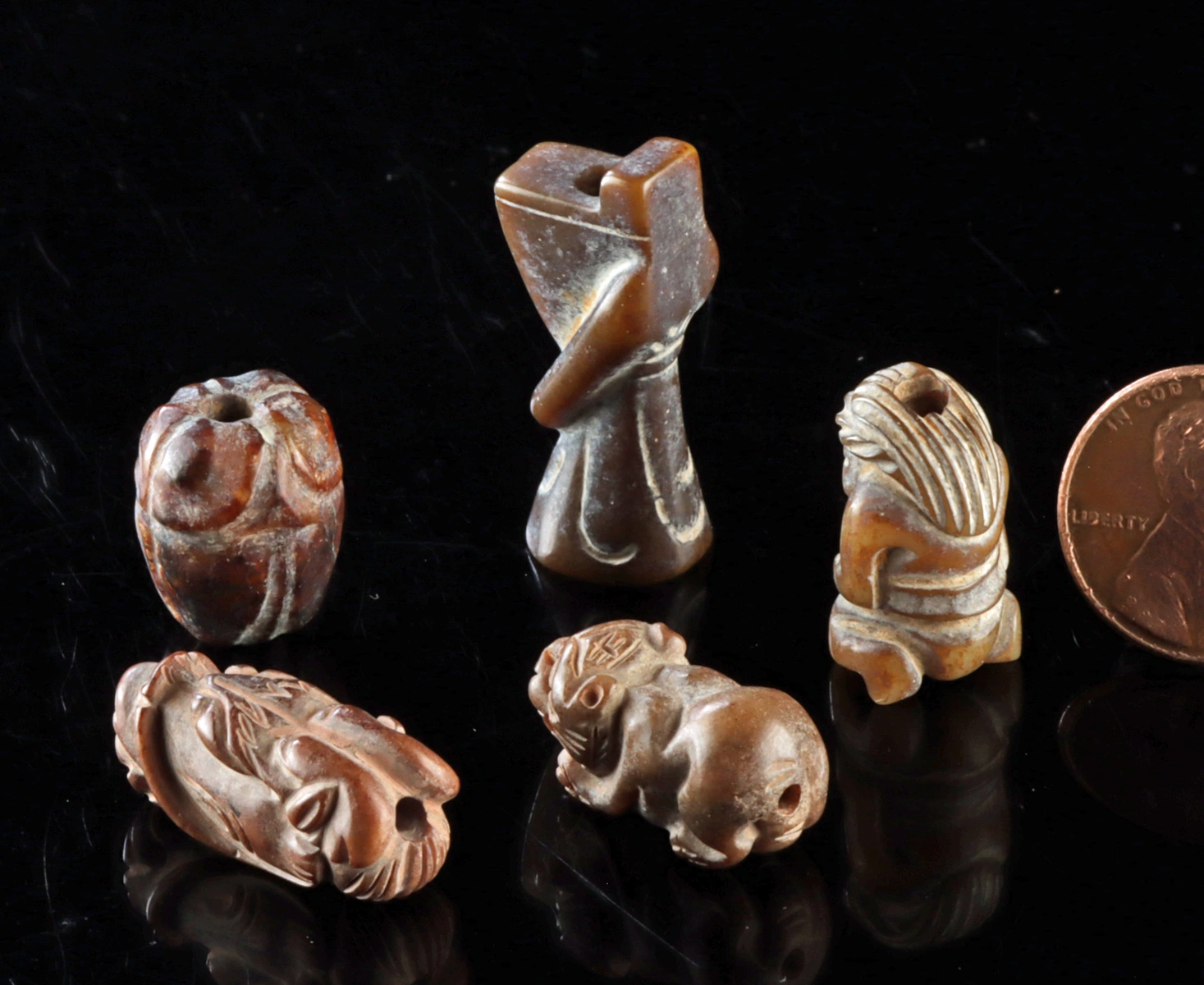
Five Chinese Carved Stone Charm Beads (Auction 2026-06-05, Lot 230)
Add to cart -

Chinese White Jade Archaic Style Tiger Pendant (Auction 2026-06-05, Lot 226)
Add to cart -


Chinese Stone Pig Dragon & Carved Bead Pendant (Auction 2026-06-05, Lot 231)
Add to cart -


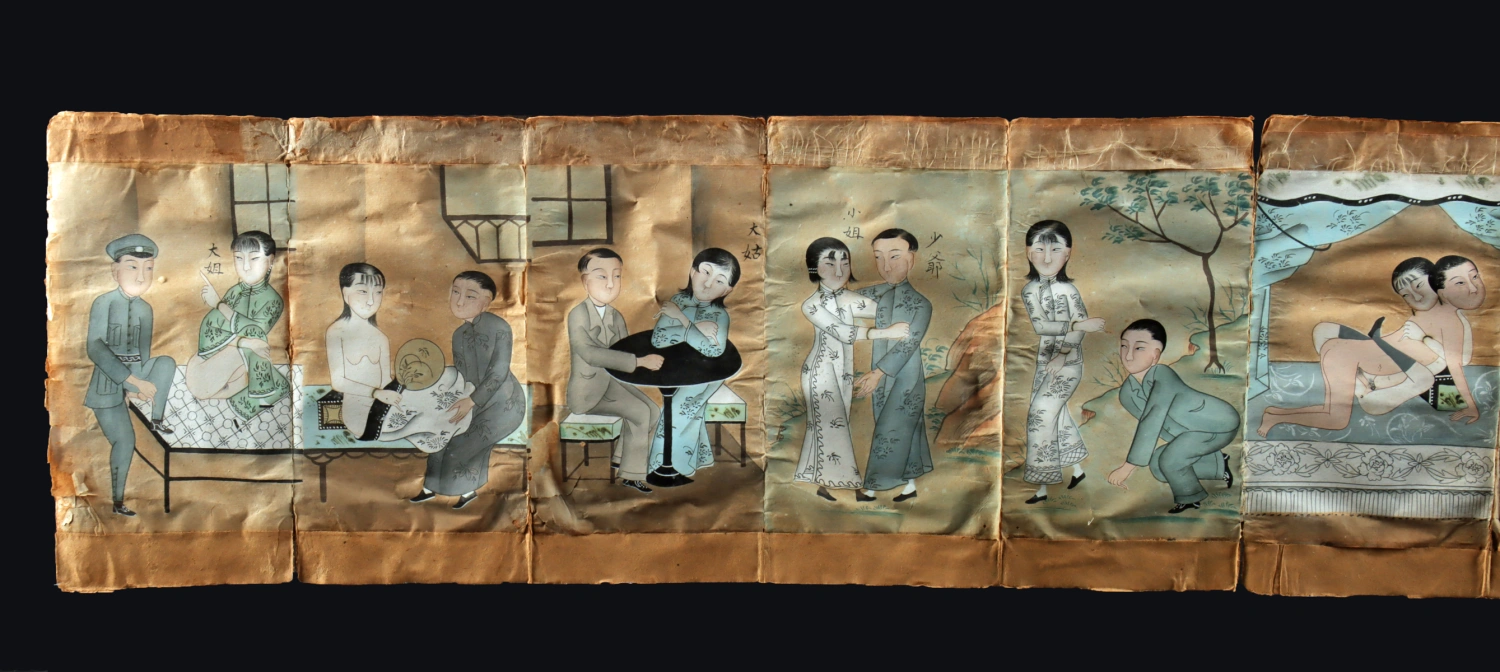
Chinese Early Republic-Era Paper Album Erotic Scenes (Auction 2026-06-05, Lot 220)
Add to cart -


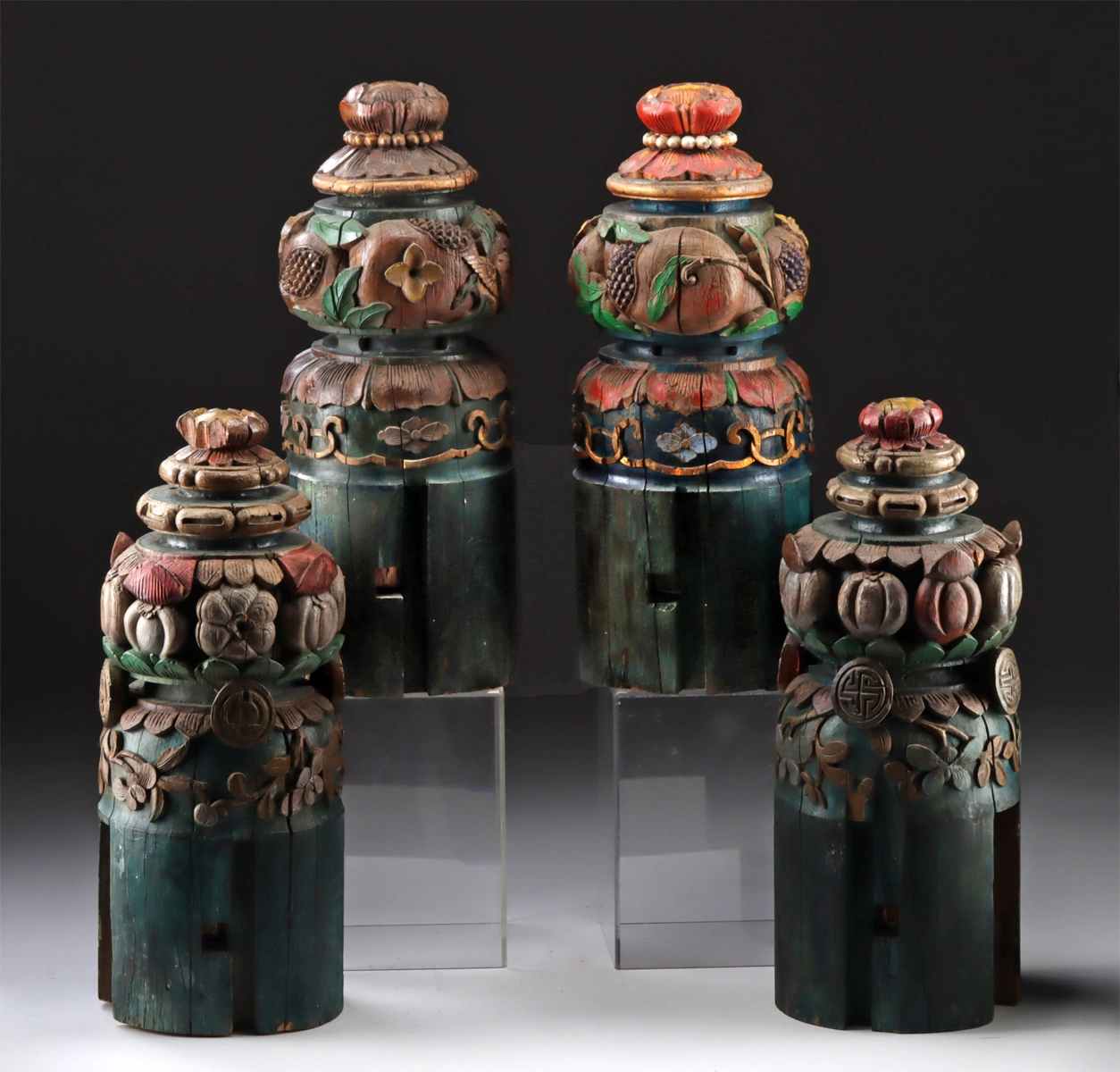
4 Chinese Polychrome Wooden Architectural Posts (Auction 2026-06-05, Lot 222)
Add to cart -


20th C. Chinese Snuff Bottles, Group of Nine (Auction 2026-06-05, Lot 229)
Add to cart -


1930s Japanese Jizai Kagi Hearth Hook w/ Fish Ornament (Auction 2026-06-05, Lot 233)
Add to cart